
Plants
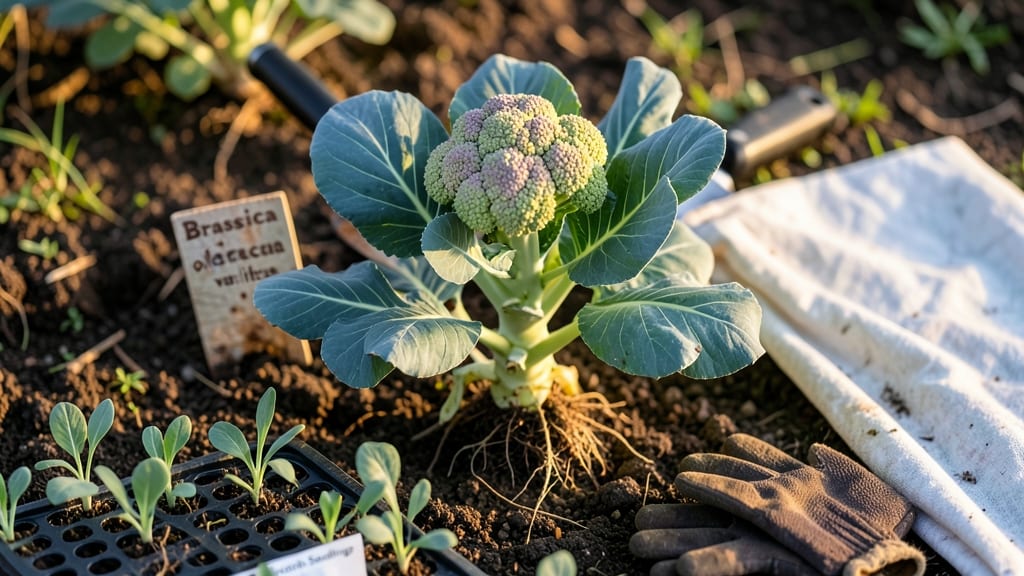
Planting broccoli 🥦 in Connecticut at the wrong time means watching your hard work wilt before it even reaches harvest—unless you time it perfectly for your zone.
The key to a thriving crop lies in understanding when soil warms enough for seedlings and how late frosts can still sneak in, even in Zone 5b-6b.
Whether you're a first-time gardener or a seasoned grower, getting those seeds in the ground too early or too late can turn your green dreams into bolting disappointments.
I’ve learned the hard way that Connecticut’s unpredictable spring weather demands patience—and a solid plan. The ideal window for planting broccoli in CT starts as early as late March, but only if you’re prepared to protect tender seedlings from late frosts.
For those in inland areas like Hartford, waiting until mid-April gives you a safer bet, while coastal gardeners in New Haven might push it back even further. The goal? Beat the last frost by 4-6 weeks so your plants have time to establish roots before summer heat sets in.
But here’s the secret most gardeners miss: broccoli isn’t just a spring crop in Connecticut. Late summer plantings in August can give you a second harvest come fall, provided you choose fast-maturing varieties and time it right—90-120 days before your first frost.
I’ll break down exactly how to sync your planting schedule with CT’s frost-free timeline, so you can enjoy homegrown 🥦 from May through November without the guesswork.
Ready to turn your garden into a broccoli powerhouse? Let’s dive into the exact dates, soil prep tips, and pro strategies to make sure your plants thrive—no matter where you are in the Constitution State.
Connecticut broccoli planting zones: exact dates by last frost timeline
Connecticut’s USDA Zones 5b-6b create unique challenges for broccoli growers, where coastal areas like New Haven experience milder winters than inland Hartford. The difference between a 5-week harvest and a bolted disappointment often comes down to precise planting timing tied to your local last frost date.
Most years, coastal CT sees frost-free conditions by April 1-15, while inland areas wait until April 15-30.
For a continuous harvest, Connecticut gardeners should plan two planting windows: early spring for summer crops and late summer for fall harvests. The key is understanding how soil temperature (not air temperature) triggers germination—broccoli seeds need 40°F soil minimum, while transplants thrive when nights stay above 45°F.
Using a soil thermometer eliminates guesswork and prevents those heartbreaking early frosts.
Here’s how to align your planting with Connecticut’s historical frost data for maximum success:
| Zone/Location | Last Frost Date (Avg) | Spring Planting Window | Fall Planting Window | Days to Maturity |
|---|---|---|---|---|
| Coastal (Zone 6b) | April 1-15 | March 15-April 1 (seeds) / April 1-15 (transplants) | August 15-Sept 1 (seeds) / Sept 1-15 (transplants) | 50-60 days |
| Inland (Zone 5b) | April 15-30 | April 1-15 (seeds) / April 15-30 (transplants) | August 1-Sept 1 (seeds) / Sept 1-15 (transplants) | 60-70 days |
| Northern CT (Zone 5b) | May 1-15 | April 15-May 1 (seeds) / May 1-15 (transplants) | July 31-Aug 15 (seeds) / Aug 15-Sept 1 (transplants) | 70-80 days |
*Adjust dates 1-2 weeks earlier for early varieties or later for slow-growing types.
If you’re planting seeds directly in spring, start them indoors 4-6 weeks before your last frost date to give seedlings a head start. For transplants, wait until soil temperatures reach 45°F consistently—this usually aligns with April 15 for coastal areas and May 1 for inland zones.
Pro tip: Use black plastic mulch to warm soil faster and extend your planting window by 10-14 days.
For fall harvests, aim to plant 90-120 days before your first frost (typically October 15). Coastal gardeners can push this to November 1 with row covers, while inland growers should finish by September 15 to avoid frost damage.
Varieties like ‘Waltham 29’ or ‘Calabrese’ mature faster (50-60 days) and are ideal for CT’s short season.
One common mistake in Connecticut is planting too early and having seedlings bolted by June due to heat stress. Broccoli prefers cool temperatures (55-75°F), so avoid planting when daytime highs exceed 80°F.
If you notice yellowing leaves or bitter florets, your plants are heat-stressed—provide afternoon shade cloth to protect them during CT’s July-August heatwaves.
To check your local frost dates, consult the CT Agricultural Experiment Station or use the National Oceanic and Atmospheric Administration (NOAA) frost maps. For 2024 planning, I recommend setting reminders for March 15 (coastal) and April 1 (inland) to start seeds indoors.
If you’re using transplants from nurseries, wait until after Mother’s Day weekend to minimize frost risk in inland areas.
For succession planting, stagger your broccoli every 2-3 weeks from spring through early summer to ensure a continuous harvest. In fall, plant every 3 weeks from August through September for a second crop.
This strategy works especially well in raised beds, where soil warms faster and drains better than in-ground plots.
Remember: Broccoli is a cool-season crop, and CT’s short growing season demands precision. By following these zone-specific timelines and adjusting for your microclimate, you’ll enjoy homegrown brocc
How to extend your broccoli growing season in CT’s short summers
Connecticut’s short growing season (just 165-190 frost-free days) can feel like a race against time for broccoli lovers. But with the right strategies, you can double your harvests by extending both spring and fall growing windows. The key? Protective barriers and succession planting to outsmart CT’s unpredictable weather.
I’ve found that cold frames and floating row covers can push spring harvests 3-4 weeks earlier, while fall succession plantings let me enjoy fresh broccoli well into October or November.
The secret lies in choosing the right broccoli varieties that tolerate CT’s cool nights and humid summers—like ‘Waltham 29’ or ‘De Cicco’, which handle heat better than fussy hybrids.
Here’s how to maximize your broccoli season using proven CT-gardener tactics:
- 1
- 2
- 3
- 4
- 5
For spring plantings, I swear by a cold frame on my raised beds—it’s like giving broccoli a mini greenhouse without the hassle. Just cover seedlings when nights dip below 40°F and remove covers during the day to prevent overheating.
In my Zone 5b garden, this lets me harvest by early May, a full month ahead of uncovered plantings.
Don’t overlook fall broccoli, either. Plant ‘Belstar’ or ‘Green Magic’ in late July or early August for a September-October harvest. These varieties handle cool nights and shorter days better than spring crops.
I’ve had success with succession plantings every 10 days in August—by October, I’m still pulling fresh heads while neighbors are digging potatoes!
Pro tip: Mulch heavily with straw or leaves to insulate roots from temperature swings. In CT, a 3-inch mulch layer can keep soil 5-10°F warmer in spring or 5°F cooler in summer—perfect for broccoli’s 60-70°F ideal range. 🌱