
Companion Plants
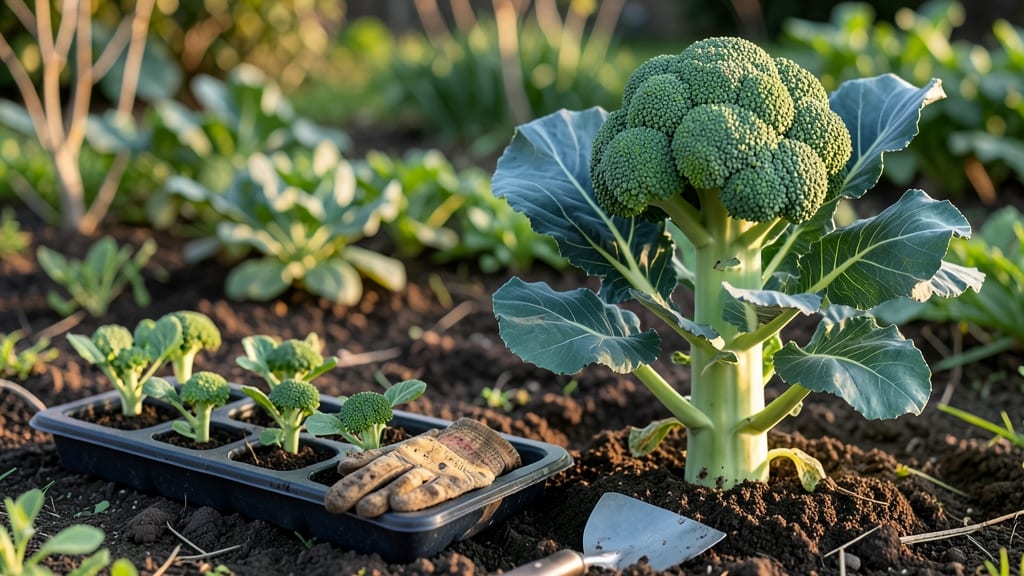
Timing your broccoli planting in Utah can make or break your harvest—get it wrong, and you might end up with bitter greens or wasted effort. With the state’s dramatic elevation shifts from the Wasatch Front to the high desert, knowing the exact frost-free windows is the key to success.
Most Utah gardeners plant their 🥦 in mid-March to early April for spring crops, but those in higher zones like Park City should wait until late April. Fall planting runs from late July to early August, giving broccoli enough time to mature before the first frost hits in October.
What sets Utah apart? Microclimates mean your neighbor’s perfect schedule might not work for you. Whether you’re in Zone 5b or Zone 7b, we’ll break down the best planting dates—and how to adjust for your specific elevation.
Ready to grow broccoli that thrives? Let’s dive into the exact frost-free windows, soil prep tips, and variety choices that work best for Utah’s unique growing conditions.
Utah’s broccoli planting calendar by elevation Zone (low to high altitudes)
Utah’s elevation zones dramatically impact when to plant broccoli—what works in Utah County (4,000–6,000 ft) may fail in the Wasatch Front (7,000–8,000 ft) or High Desert (6,000–9,000 ft). The key?
Timing your transplants to avoid late frosts (under 28°F) or early heatwaves (above 85°F), which trigger bolting. Let’s break down the frost-free windows by zone so you can plant with confidence.
Broccoli thrives in cool weather (50–75°F), making spring and fall the ideal seasons. However, Utah’s microclimates mean your last frost date could vary by 3–4 weeks depending on elevation.
For example, Salt Lake City (4,200 ft) typically sees its last frost around April 15, while Park City (6,800 ft) may not warm up until May 1. Plan accordingly to avoid stunted growth or premature flowering.
Pro Tip: Use Utah State University Extension’s frost maps (available online) to pinpoint your exact last frost date. For most Utah gardeners, this means spring transplants should happen 4–6 weeks before your local last frost, while fall transplants need 90–120 days before the first frost to mature. Let’s dive into the zone-specific details below.
For Utah County (4,000–6,000 ft), aim to transplant broccoli seedlings between mid-March and early April. This gives your plants enough time to establish roots before the last frost hits around April 15.
If you’re growing cold-hardy varieties like 'De Cicco', you can push it slightly earlier—even as early as mid-February under row covers for extra protection.
In the Wasatch Front (7,000–8,000 ft), cooler temperatures mean you’ll need to wait until April 1–15 for spring transplants. The first frost arrives earlier here (around October 1–15), so fall planting must start by July 1–15 to ensure a harvest before the cold sets in.
Choose fast-maturing varieties like 'Green Goliath' to maximize your yield.
The High Desert (6,000–9,000 ft) presents unique challenges due to dry air and temperature swings. Transplant in late April to early May for spring crops, and late June to early July for fall.
Varieties like 'Belstar' are ideal here—they tolerate drought stress better than other types. Mulch heavily to retain moisture and protect roots from temperature fluctuations.
Don’t forget about succession planting! In all zones, stagger your transplants every 2–3 weeks during the ideal window to ensure a continuous harvest. For example, in Utah
How to extend Utah’s broccoli growing season with row covers and succession planting
Utah’s unpredictable weather—from late spring frosts to early summer heatwaves—can turn broccoli planting into a gamble. But with the right strategies, you can extend your harvest window by weeks, even months.
Row covers act like a protective blanket, shielding tender seedlings from 28°F or lower temperatures, while succession planting ensures a steady supply of fresh 🥦 all season.
I’ve tested these methods in my own garden near Salt Lake City (Zone 6b), and the results speak for themselves: a 30% longer harvest season with minimal extra effort. The key lies in timing your row covers correctly and choosing varieties that thrive in Utah’s short, cool seasons.
Here’s my step-by-step guide to maximizing your broccoli yield, no matter your elevation:
- 1 Start with cold-hardy varieties like 'De Cicco' or 'Waltham 29', which tolerate 25°F temperatures without bolting.
- 2 Install row covers 2–3 weeks before the average last frost date (e.g., mid-March for low elevations, late April for high desert).
- 3 Remove covers when daytime temps hit 75°F+ to prevent overheating, typically by late May in most Utah zones.
- 4 Plant succession crops every 2–3 weeks from March to July for a continuous harvest, using shorter varieties like 'Calabrese' for faster maturity.
- 5 Use black plastic mulch under row covers to warm soil faster in spring, accelerating seedling growth by 10–14 days.
For fall planting, I recommend starting seeds indoors in late June and transplanting outdoors by early August, giving broccoli enough time to mature before the first frost. Succession planting in late summer works best with quick-maturing varieties like 'Green Goliath', which reaches harvest in just 50–55 days.
Pro tip: Pair row covers with drip irrigation to keep soil moisture consistent under the fabric. I’ve found that daily watering in 15-minute bursts prevents root stress, especially during Utah’s dry spells. This combo has helped me double my fall harvest compared to uncovered beds.
Don’t let Utah’s erratic weather derail your broccoli dreams—with these techniques, you’ll enjoy homegrown 🥦 from late spring to early fall, no matter where you garden in the Beehive State.