
Plants
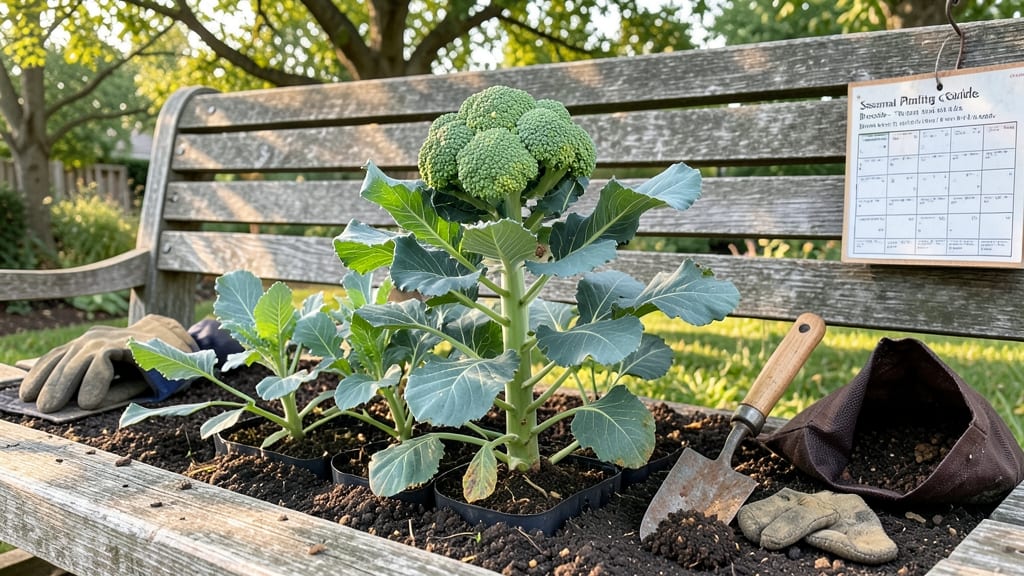
Planting broccoli at the wrong time in Washington State can mean the difference between a bountiful harvest and a bitter disappointment—especially when your 🥦 heads bolt before you even get to taste them.
With USDA zones ranging from 7b in the Puget Sound to 9a in the Columbia Basin, timing matters more than you might think. Get it right, and you’ll enjoy fresh, homegrown broccoli from late spring through fall.
But miss the window, and you’ll be left with sad, bitter stalks instead of the crisp, flavorful crowns you’re craving.
I’ve grown broccoli in Washington’s diverse climates, and the key isn’t just knowing when to plant—it’s understanding how your specific zone affects your schedule. Whether you’re in Seattle’s damp coastal air or Yakima’s hotter inland valleys, the right deadlines keep your plants thriving.
In this guide, I’ll break down the exact planting windows for your zone, plus pro tips to stretch your harvest season. Ready to grow broccoli that actually tastes like it came from the garden? Let’s get started.
Washington State broccoli planting zones: exact dates by USDA Zone (7, 8, and 9)
Washington’s diverse microclimates create big differences in broccoli planting success. In USDA Zone 7 (like Spokane), frost can hit as early as October 15, while Zone 9 (Yakima) often stays frost-free until November 1.
These variations mean your planting window could shift by 6+ weeks depending on location. To avoid bolting or frost damage, I’ll break down the exact dates for each zone—plus soil prep tips to ensure strong starts.
Broccoli thrives in cool-season conditions, but Washington’s hot inland valleys (like Yakima) demand heat-tolerant varieties like ‘Waltham 29’ or ‘De Cicco’. Meanwhile, coastal areas (Seattle) can handle longer growing seasons.
The key is planting 4-6 weeks before last frost for spring crops and 8-10 weeks before first frost for fall harvests. Let’s dive into the zone-specific deadlines to maximize your yield.
⚠️ NON-NEGOTIABLE: Always check your local frost dates—they can vary by 10+ days even within the same zone. Use the USDA Plant Hardiness Map or your local Cooperative Extension Service for precision. For example, Pullman (Zone 7a) might need earlier plantings than Bellingham (Zone 8b), despite both being in Zone 7 or 8.
| USDA Zone | Last Frost Date | First Frost Date | Spring Planting Window | Fall Planting Window | Soil Temp Threshold (°F) | Best Varieties |
|---|---|---|---|---|---|---|
| Zone 7 (Spokane, Pullman) | April 15 | October 15 | March 15–April 1 | August 1–August 15 | 40–50°F (for germination) | ‘Waltham 29’, ‘Green Magic’ |
| Zone 8 (Seattle, Olympia) | March 30 | October 30 | February 20–March 15 | August 15–September 1 | 45–55°F (cooler nights help) | ‘De Cicco’, ‘Calabrese’ |
| Zone 9 (Yakima, Wenatchee) | April 30 | November 1 | March 1–March 15 | August 15–September 10 | 50–60°F (heat-tolerant needed) | ‘Belstar’, ‘Packman’ |
In Zone 7, where frosts arrive earlier, prioritize early spring plantings (by March 15) and late-summer starts (no later than August 15). Use row covers to extend the season—even a light frost can damage tender broccoli heads.
For Zone 8, you’ve got a 6-week window longer than Zone 7, so you can experiment with succession planting every 3 weeks for continuous harvests.
Zone 9 gardeners have the most flexibility, but heat stress is the biggest threat. Plant heat-tolerant varieties like ‘Belstar’ and water deeply in the morning to prevent bolting.
If temperatures exceed 85°F, provide shade cloth (30–50% shade) to protect young plants. I’ve found that drip irrigation keeps soil temps stable and reduces stress.
For all zones, soil temperature is critical. Broccoli seeds won’t germinate below 40°F, and growth stalls if soil drops below 50°F. Use a soil thermometer to check—if temps are too cold, wait or use black plastic mulch to warm the soil faster.
In Zone 9’s hotter inland areas, mulch also helps retain moisture, which is essential during head formation.
Don’t overlook fall planting—it’s often more productive than spring in Washington. Start seeds 8–10 weeks before first frost (so
How to stretch your broccoli harvest: succession planting tips for Washington’s short growing seasons
Washington’s short growing seasons and unpredictable weather make succession planting your secret weapon for a steady broccoli harvest. By spacing out plantings every 2–3 weeks, you’ll avoid the dreaded bolting that turns your crop into bitter flowers before it matures.
This method works especially well in USDA Zones 7–9, where cool springs and early falls demand precision timing.
Start with ‘De Cicco’ or ‘Waltham 29’—both are proven performers in Washington’s climate. ‘De Cicco’ produces multiple side shoots after harvest, while ‘Waltham 29’ matures faster, making it ideal for late-summer plantings.
Pair these with row covers to extend your season by 3–4 weeks in both spring and fall, shielding tender seedlings from late frosts or early heat waves.
📌 Succession Planting Timeline for Washington Broccoli
- 🌱 Step 1: Plant first batch 4–6 weeks before last frost (early March–April in western WA, April–May in eastern WA). Use row covers for extra protection.
- 🌿 Step 2: Sow 2–3 week intervals until mid-June for continuous harvests. Stop when days exceed 80°F to prevent bolting.
- 🍃 Step 3: Restart in late July–August for fall harvests. Aim to harvest before first frost (mid-October in western WA, November in eastern WA).
- ✂️ Step 4: Harvest main heads, then cut side shoots at 3–4 inches tall to redirect energy. This extends harvest by 2–3 weeks per plant.
- 🌡️ Step 5: Use floating row covers in fall to delay frost damage. Remove during day for pollination, then replace at night.
For fall plantings, focus on heat-tolerant varieties like ‘Belstar’ or ‘Packman,’ which handle Columbia Basin heat better than traditional types. In western Washington’s cooler zones, prioritize ‘Calabrese’ for its large, flavorful heads.
Always test your soil pH (aim for 6.0–7.0compost—Washington’s volcanic soils can be nutrient-poor without prep.
Pro tip: Pull bolting plants early to prevent seed production, which drains energy from your remaining crop. Redirect that energy to side shoots by trimming leaves 2–3 inches from the base.
This trick can add 10–15 extra days of harvestable greens per plant. Pair this with consistent watering (1–2 inches per week) to keep heads crisp and firm.
Track your progress with a garden journal to note which varieties thrive in your microclimate. For example, Seattle’s Zone 8 gardeners often succeed with 5–6 staggered plantings, while Spokane’s Zone 7 may only manage 3–4 due to shorter seasons.
Adjust based on your local first/last frost dates, available from the WA State University Extension.
With these strategies, you’ll transform Washington’s challenging climate into a broccoli powerhouse, enjoying homegrown harvests from May through November—no grocery store in sight! 🥦