
Plants
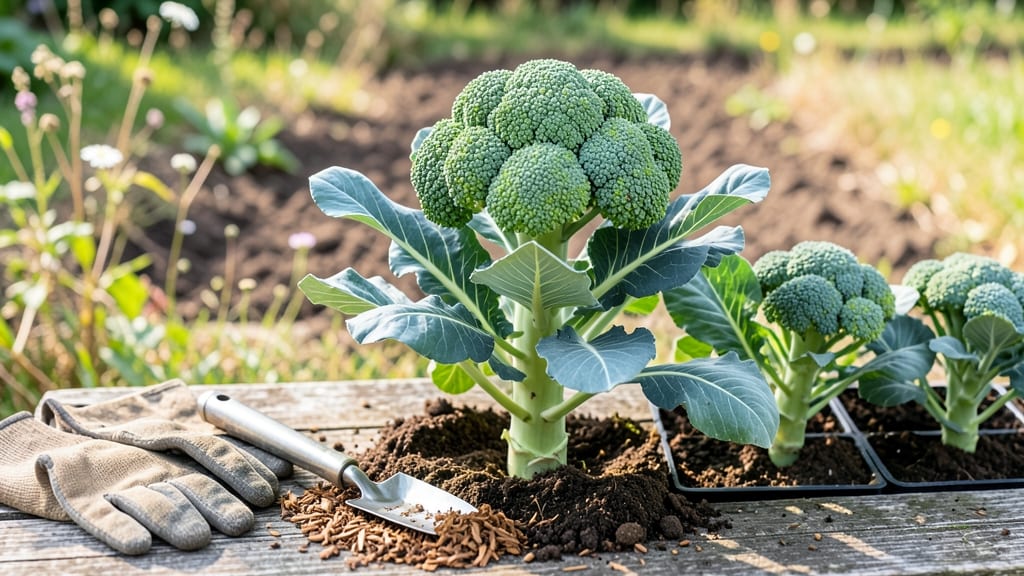
Planting broccoli 🥦 at the wrong time in Zone 6b can turn your garden dreams into bitter disappointment—those perfect heads you imagined might never form if you miss the sweet spot between frost and heat.
The key to a thriving crop lies in timing it just right, whether you're aiming for that first spring harvest or a late-summer surprise.
Most gardeners in Zone 6b focus on early spring planting, but the real secret to success is knowing exactly when to get those seeds in the ground—typically 4-6 weeks before your last frost date.
That means late March to early April for most of us, but there's a second chance in late summer if you play your cards right.
Why does this matter? Because broccoli is a diva about temperature—too hot and it bolts (turning bitter), too cold and it just sits there looking sad. I'll show you how to read your garden's signals and adjust your planting schedule to avoid these common pitfalls.
Get this right, and you're looking at firm, flavorful heads ready to harvest by late spring or early fall. Let's break down the exact windows, soil prep tricks, and even how to stretch your harvest with smart succession planting—because nobody wants to waste a single seedling!
Best planting windows for broccoli in Zone 6B: early spring and late summer
Broccoli loves cool weather but struggles when temperatures climb above 75°F (24°C). In Zone 6B, timing is everything—plant too early, and frost will kill seedlings; too late, and your plants will bolt into bitter flowers.
The ideal windows are early spring (March-April) and late summer (August-September), aligning with Zone 6B’s 165 frost-free days.
For spring planting, aim for 4-6 weeks before your last frost date (typically around April 15 in Zone 6B). This gives seedlings time to establish roots before warm weather arrives. Soil temperature should reach 40°F (4°C)—use a soil thermometer if unsure.
Start seeds indoors 6-8 weeks earlier for a head start.
Your late-summer window opens in August (3 months before the October 15 first frost). This second crop thrives in cooler fall air, avoiding summer’s heat stress. Transplant seedlings by mid-August to ensure mature heads form before frost. Use shade cloth if temperatures spike above 80°F (27°C).
| Planting Window | Ideal Dates (Zone 6B) | Key Considerations | Avoid |
|---|---|---|---|
| Early Spring | March 15 – April 15 | Soil temp ≥40°F (4°C), last frost risk | Frost damage, slow germination |
| Late Summer | August 1 – September 1 | 3 months before first frost, cool nights | Heat stress (>80°F), bolting |
| Seed Starting (Indoors) | February 1 – March 15 | 6-8 weeks before transplant | Overcrowded seedlings |
| Transplanting | April 1 – April 30 (Spring) / August 15 – September 1 (Fall) | Hardy seedlings, 12" spacing | Transplant shock in heat |
Zone 6B’s unpredictable weather means soil temperature matters more than calendar dates. Test your soil—broccoli roots struggle below 50°F (10°C). If spring soil stays cold, use black plastic mulch to warm it faster.
For late summer, choose bolt-resistant varieties like ‘Waltham 29’ or ‘De Cicco’, which tolerate mild heat better than standard types.
Pro tip: Succession plant every 2 weeks in spring for continuous harvests. Space seeds 1/4 inch deep, 1 inch apart, thinning to 18 inches between mature plants. This prevents competition and maximizes your May-June harvest window. For fall, prioritize fast-maturing varieties (50-60 days) to beat frost.
Watch for false starts—warm spells in early spring can trick broccoli into bolting. If seedlings send up flower stalks, yank them and replant. Shade cloth (30-50%) can buy time during heatwaves in late summer.
Pair broccoli with radishes or lettuce to improve soil and deter pests like cabbage moths.
Harvest timing is critical: Pick heads when compact (before yellowing) for the sweetest flavor. Side shoots (small heads forming after harvest) are edible too—just cut them at the base to encourage regrowth. In Zone 6B, your fall crop may produce until November if frosts are delayed.
Remember: Broccoli is a cool-season crop, not a heat lover. By sticking to these Zone 6B-specific windows, you’ll avoid the two biggest pitfalls—frost damage and bolting—and enjoy crisp, flavorful heads all season long. Happy planting! 🥦
How to extend your broccoli harvest in Zone 6B: succession planting and frost protection
In Zone 6B, where summers heat up quickly and winters bring early frosts, succession planting and frost protection are your secret weapons for a longer broccoli harvest. By staggering plantings and choosing the right varieties, you can enjoy fresh broccoli heads from late spring through fall—even when temperatures fluctuate.
The key is timing: plant too early, and you risk bolting from heat; plant too late, and frost will cut your season short.
For Zone 6B, focus on two main planting windows: early spring (March to early April) and late summer (mid-August to early September). Each window requires different strategies to protect your plants from frost damage or heat stress.
Cold-hardy varieties like 'De Cicco' or 'Waltham 29' are excellent choices for both seasons, while 'Calabrese' thrives in cooler temperatures. Let’s break down how to maximize your harvest with a step-by-step approach.
Step-by-Step Guide to Extending Your Broccoli Harvest
- 1 Choose cold-hardy varieties: Opt for 'De Cicco' or 'Waltham 29'—these tolerate light frosts (28°F) and thrive in Zone 6B’s cooler months.
- 2 Plant in succession: Start your first batch 4-6 weeks before the last frost (early March in Zone 6B). Follow with 2-week intervals until mid-April for a continuous harvest.
- 3 Protect from frost: Use frost blankets or row covers when temperatures dip below 32°F. Secure edges with bricks or soil to prevent wind damage.
- 4 Late-summer planting: Sow seeds mid-August to early September for a fall harvest. Choose fast-maturing varieties (50-60 days) to finish before the first frost (October 15 in Zone 6B).
- 5 Harvest strategically: Pick outer leaves first to extend the main head’s life. Harvest side shoots after cutting the primary head for weeks of additional yield.
One of my favorite tricks for late-summer plantings is to use black plastic mulch to warm the soil and give seedlings a head start. This is especially useful in Zone 6B, where August heat can stress young plants.
Lay the mulch 2-3 weeks before planting to raise soil temperatures by 5-10°F, which helps broccoli germinate faster and establish roots before cooler fall air arrives.
Don’t overlook side-dressing with compost every 4-6 weeks to replenish nutrients. Broccoli is a heavy feeder, and soil in Zone 6B can deplete quickly with successive plantings. Mix in aged compost or a balanced fertilizer (like 10-10-10) to keep plants robust.
Pair this with consistent watering—aim for 1-2 inches per week—to prevent bitter flavors or stunted growth.
If frost threatens your late-season crop, don’t panic. A lightweight row cover can protect plants down to 20°F, while straw mulch insulates roots. For extreme cold (below 20°F), move potted broccoli to a garage or cold frame and resume outdoor planting once temperatures rise.
With these strategies, you’ll enjoy homegrown broccoli well into November—or even later with proper protection.
Extend your harvest further by saving seeds from your healthiest plants. Let a few bolted broccoli heads go to seed, dry them, and store in a cool, dark place for next year’s garden.
This ensures you’ll always have adapted varieties that thrive in your Zone 6B climate—no more guessing which seeds will perform best.