
Plants
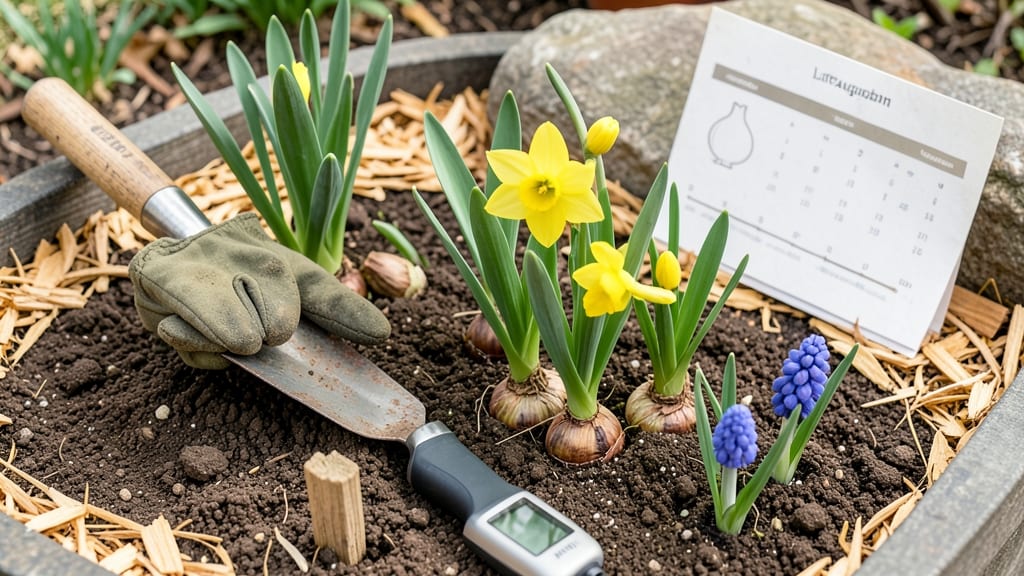
Planting your Spring Flowering Bulbs 🌷 at the wrong time in Boston can mean the difference between a show-stopping spring display and a sad, frost-killed disappointment.
The key isn't just timing—it's understanding how Boston's Zone 6b climate plays tricks with frost dates, soil temperatures, and those pesky microclimates that make your neighbor's garden thrive while yours struggles.
Most gardeners assume "fall planting" means a single window, but in Boston, that 6-week buffer before the ground freezes (usually by mid-November) is your golden ticket. Plant too early, and your bulbs might rot; too late, and they won't root deeply enough to survive winter.
I'll break down exactly when to dig in—whether you're prepping for tulips in September or last-minute snowdrop plantings in March—so you never miss a beat.
Here's the game-changer: even if Boston's weather throws a curveball (like an early frost or unseasonably warm December), you can still salvage your blooms with the right adjustments. We'll cover soil prep, mulching strategies, and which bulbs are tough enough to handle replanting if you drop the ball.
Trust me, by the time April rolls around, your garden will be bursting with color—no guesswork, no regrets.
Ready to turn your Boston yard into a springtime paradise? Let's dive into the exact timeline, pro tips, and what to do when Mother Nature decides to play along—or not. Your future self (and your neighbors) will thank you.
Boston’s ideal bulb planting timeline by month (with frost-date safeguards)
Boston’s USDA Zone 6a/6b climate demands precision when planting bulbs—timing can mean the difference between vibrant spring blooms and wasted effort. Most bulbs need 6-8 weeks to establish roots before winter, while spring-planted varieties must avoid late frosts.
I’ve mapped out the perfect window for each month, accounting for Boston’s average first frost (October 15) and last frost (April 15), plus safeguards for erratic weather.
Fall planting (for spring blooms) is critical—September through November gives bulbs time to root before freezing. Spring planting (for summer/fall blooms) should happen after April 15, once soil warms to 50°F (10°C).
Below, I’ll break down each month’s ideal actions, including adjustments for Boston’s microclimates (e.g., warmer Back Bay vs. colder Dorchester).
| Month | Action | Bulb Types | Soil Temp | Notes |
|---|---|---|---|---|
| September | Plant spring-flowering bulbs (tulips, daffodils) | Tulips, Daffodils, Hyacinths | 50–60°F (10–15°C) | Soil should be workable; avoid wet clay. |
| October | Plant late-season bulbs (crocus, snowdrops) | Crocus, Snowdrops, Allium | 40–50°F (4–10°C) | Add compost for nutrient boost. |
| November | Final fall planting (if soil isn’t frozen) | Tulips, Fritillaria | 35–45°F (2–7°C) | Mulch with 3 inches of straw after planting. |
| March | Plant tender bulbs (caladiums, cannas) | Caladiums, Dahlias | 55–60°F (13–15°C) | Wait until after last frost (usually April). |
| April | Plant summer/fall bloomers (gladiolus, lilies) | Lilies, Gladiolus, Begonias | 60°F+ (16°C+) | Use row covers if nights are still chilly. |
In September, focus on tulips and daffodils—these need time to root before Boston’s first frost. Aim for 6 weeks before freezing, typically by mid-October. Use a trowel to dig holes 3x the bulb’s width and mix in bone meal for phosphorus.
If your soil is heavy clay (common in Dorchester), amend with compost or sand to improve drainage.
By October, shift to hardier bulbs like crocus and snowdrops, which tolerate colder soil. These can handle planting until early November, even if frost arrives.
My trick? Plant crocus in containers near patios—they’ll bloom through snow and meltwater, adding early color. Mulch with straw or leaves to insulate bulbs from temperature swings.
If you miss the November window, don’t panic—tulips and daffodils can wait until December in pots, then transplant in early spring. However, avoid planting after January, as bulbs won’t have enough time to establish roots before flowering.
For spring-planted bulbs (like dahlias), wait until after April 15, when soil reaches 50°F (10°C).
Boston’s
5 Critical factors that determine your Boston bulb planting success (beyond the calendar)
Boston’s microclimates and soil temperature can override generic planting dates by weeks—sometimes months.
While most guides tell you to plant in October or November, your Back Bay garden might need bulbs in the ground by mid-October, while Dorchester’s slightly later frost dates could extend your window until early November.
Understanding these factors ensures your tulips and daffodils thrive, not just survive.
First, soil temperature is your best indicator, not the calendar. Plant when soil reaches 50–60°F—this triggers root growth before frost sets in. Use a soil thermometer to avoid guessing.
In Boston, this typically aligns with late October, but urban heat islands (like downtown) can push it earlier, while higher elevations (e.g., Jamaica Plain) may delay it until November.
Next, distinguish between hardy bulbs (e.g., daffodils, crocuses) and tender varieties (e.g., tulips, hyacinths). Hardy bulbs tolerate colder soils and can go in as early as September, while tender bulbs need to be planted 6–8 weeks before frost—usually mid-October in Boston.
Planting tender bulbs too early risks rot from excess moisture.
🌱 Numbered Highlights: Boston-Specific Bulb Planting Rules
- 1. Soil Temp > Calendar: Plant when soil hits 50–60°F, not just by date. Use a thermometer—Back Bay soils warm faster than Dorchester.
- 2. Hardy vs. Tender: Daffodils (hardy) can go in September; tulips (tender) need mid-October to avoid frost damage.
- 3. Sunlight Matters: South-facing beds (e.g., Charles River Esplanade) get 6+ hours of sun—ideal for bulbs. North-facing spots (e.g., Fenway) may need partial shade-tolerant varieties like grape hyacinths.
- 4. Microclimate Adjustments: Urban heat islands (downtown) plant 2 weeks earlier than rural areas (e.g., Stoughton). Check your zone: Zone 6a (colder) vs. 6b (milder).
- 5. Risk Checklist: If planting after November 1, use row covers or mulch to insulate bulbs. Never plant frozen bulbs—they won’t root.
Sunlight exposure is another game-changer. Most bulbs crave full sun (6+ hours daily), but Boston’s urban canyons (e.g., Financial District) cast long shadows. If your garden gets less than 4 hours of sun, opt for partial shade-tolerant bulbs like woodland phlox or glory-of-the-snow.
Even in sunny spots, afternoon shade (e.g., from tall buildings) can stress tulips, shortening their bloom time.
Don’t overlook Boston’s microclimates. A Back Bay garden near the Charles River may have warmer soils and earlier planting windows than a Dorchester yard surrounded by pavement. Use this quick guide: Downtown/Seaport = plant 2 weeks earlier; North Shore = plant 1 week later.
For high-altitude gardens (e.g., Jamaica Plain), delay planting until soil temps drop below 60°F to avoid premature sprouting.
Finally, assess your risk tolerance. If you’re planting after November 1, use mulch (3–4 inches) or straw to insulate bulbs from freeze-thaw cycles. For tender bulbs like fritillaries, consider container planting—you can move pots to a garage or shed if frost threatens.
Always test bulb viability by squeezing gently: soft spots mean discard them.