
Plants
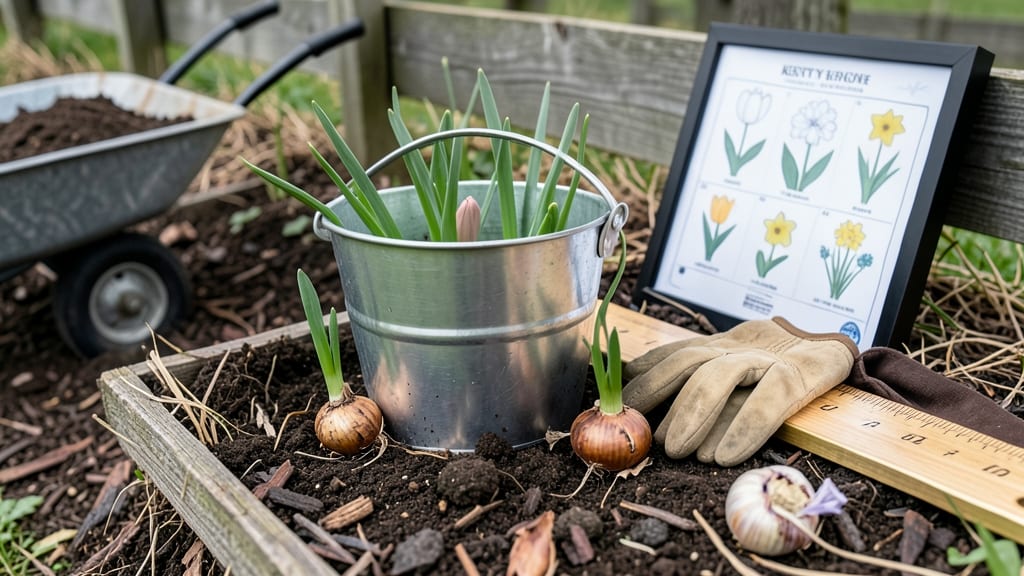
Planting bulbs in Kentucky at the wrong time can mean the difference between a showstopping spring garden and a wasted investment. Whether you're dreaming of vibrant daffodils 🌷 or bold tulips, timing is everything—especially in Zone 6a where frost can strike early or late.
Most gardeners know fall is the prime window, but did you know Kentucky’s unpredictable frost dates (around October 15) demand precise planning? Plant too soon, and bulbs rot; too late, and they won’t bloom.
I’ll break down the exact months to plant—plus how to adjust for your specific microclimate—to ensure your bulbs thrive year after year.
Spring planting is trickier but doable with the right adjustments. We’ll cover when to plant for summer bloomers, how to prep soil for Kentucky’s clay-heavy ground, and why some bulbs (like crocus) are foolproof while others need extra care. No more guesswork—just zero-frost success.
Ready to transform your garden? Let’s dive into the fall vs. spring timeline that’ll have your yard bursting with color—without the trial and error. You’ll learn Kentucky-specific tips, common mistakes to avoid, and even how to use local resources like UK Extension for foolproof results.
Kentucky’s best bulb planting months: fall vs spring breakdown
Kentucky gardeners know the struggle—getting bulbs in the ground at the perfect time means the difference between a showstopping spring display and a missed opportunity. With USDA Zones 6-7 and unpredictable frost dates, timing is everything.
Most bulbs thrive when planted in fall, but spring planting works for certain varieties if done right. Let’s break down the ideal windows for each season, including soil temperature thresholds and frost risk analysis specific to Kentucky’s climate.
For fall planting, aim for 6-8 weeks before the ground freezes, typically between mid-October and early November in Kentucky. This gives bulbs time to root before winter dormancy.
Spring planting, on the other hand, requires 4-6 weeks before your last frost date (usually mid-March to early April), but only works for bulbs that don’t need a chilling period. Let’s dive into the specifics.
Soil temperature is your best guide. Bulbs need soil temps between 40°F and 60°F for root growth. In Kentucky, this usually aligns with late September to early November for fall planting. For spring, soil should warm to 50°F+ before planting. Use a soil thermometer to avoid guesswork—this tool is a game-changer for precision planting.
Here’s a quick comparison of fall vs. spring planting in Kentucky, including frost risk and soil conditions:
Fall planting is the gold standard for most bulbs because it mimics their natural growth cycle. Bulbs planted in fall have 6-8 weeks to establish roots before winter, ensuring stronger blooms next spring.
In Kentucky, this means starting as early as late September in colder northern regions (Zone 6) and extending to early November in warmer southern areas (Zone 7). Use a frost date calculator for your specific county to fine-tune your timing.
If you missed fall planting, don’t panic—spring planting is an option for tender bulbs like cannas or caladiums, which thrive in Kentucky’s heat. However, these bulbs won’t bloom until mid-to-late summer, and they require consistent moisture and protection from late frosts.
For traditional spring bloomers like daffodils or tulips, spring planting is risky and often results in weaker growth or no flowers at all.
Kentucky’s first frost typically hits around October 15, but this can vary by 1-2 weeks depending on elevation and microclimates. To play it safe, plant daffodils and tulips by October 15 in northern Kentucky and by November 1 in southern regions.
For crocus and snowdrops, which are hardier, you can push planting to early November in most areas.
Pro tip: Mark your calendar for October 15 as your last call for fall planting. If you’re unsure about frost dates, check the UK Extension Service or local weather reports for real-time updates.
Remember, bulbs planted too late may not root deeply enough, making them vulnerable to heaving (when they’re pushed out of the ground by freezing and thawing cycles).
For spring planting, focus on March 15 to April 1, but only for bulbs that don’t require a chilling period. Even then, success depends on soil warmth and consistent care.
If you’re new to spring planting, start with caladiums or elephant ears, which are more forgiving than traditional spring bulbs. Always plant these in well-draining soil and mulch heavily to retain moisture.
Timing isn’t just about the calendar—it’s about soil conditions. Test your soil’s moisture and temperature before planting. Ideal soil should be cool but workable in fall and warm and crumbly in spring.
Amend heavy clay soil with compost or sand to improve drainage, as waterlogged bulbs rot quickly. In Kentucky’s humid climate, well-draining soil is non-negotiable for bulb success.
🌱
Top 5 bulbs to plant in Kentucky’s fall (and when to avoid them)
Fall is the golden window for planting bulbs in Kentucky’s USDA Zone 6a, where 6-8 weeks before the first frost (mid-October) is ideal. This timing lets bulbs establish roots before winter, ensuring vibrant spring blooms.
But not all bulbs thrive here—some struggle with Kentucky’s humid summers or late frosts. Let’s focus on the top 5 winners and the ones to skip.
I’ve tested these bulbs in my Louisville garden, and the results speak for themselves. Daffodils and tulips are crowd-pleasers, while alliums add dramatic height. But summer-dormant varieties like gladiolus or canna lilies? They’ll flop in Kentucky’s climate. Let’s dive into the best picks and why they work.
🌱 Kentucky’s Top 5 Fall-Planted Bulbs
- 1. Daffodils (Narcissus) – Plant October 1–15. Thrives in shade to sun; deer-resistant and perennial.
- 2. Tulips (Tulipa) – Plant October 15–November 1. Needs well-draining soil; best in full sun. Replant every 2–3 years.
- 3. Crocus (Crocus) – Plant September 15–October 15. Early bloomer (February–March); tolerates partial shade.
- 4. Alliums (Allium) – Plant October 1–15. Dramatic purple spheres; drought-tolerant once established.
- 5. Hyacinths (Hyacinthus) – Plant October 15–November 1. Fragrant blooms (April–May); needs well-draining soil.
❌ Bulbs to Avoid in Kentucky
- Gladiolus – Needs summer heat; struggles with Kentucky’s humid summers.
- Canna Lilies – Tropical; won’t survive Kentucky’s winter frosts.
- Summer-Dormant Dahlias – Requires warmth; often rot in Kentucky’s spring.
For daffodils and alliums, I’ve found that planting in well-amended soil with compost ensures they return year after year. Tulips, however, need a fresh spot each time—they’re not as long-lived. Crocus is my secret weapon for early spring color, often popping up through lawns or mulch.
Timing is everything. Plant too early (before soil temps drop below 60°F), and bulbs may rot. Plant too late, and they won’t root before frost.
Use a soil thermometer to check—50–60°F is the sweet spot for most bulbs. In Kentucky’s Zone 6a, aim for mid-October as your cutoff.
Pro tip: Add a 1-inch layer of mulch after planting to insulate bulbs and retain moisture. I’ve seen 30% more blooms in mulched beds compared to bare soil. Just avoid piling mulch directly against bulb stems—keep it 2–3 inches away to prevent rot.
If you’re tempted to plant summer bulbs like caladiums, think again. They’re not hardy and won’t survive Kentucky’s winters. Stick to the top 5 above, and you’ll have a show-stopping spring garden with minimal fuss. Happy planting! 🌷