
Plants
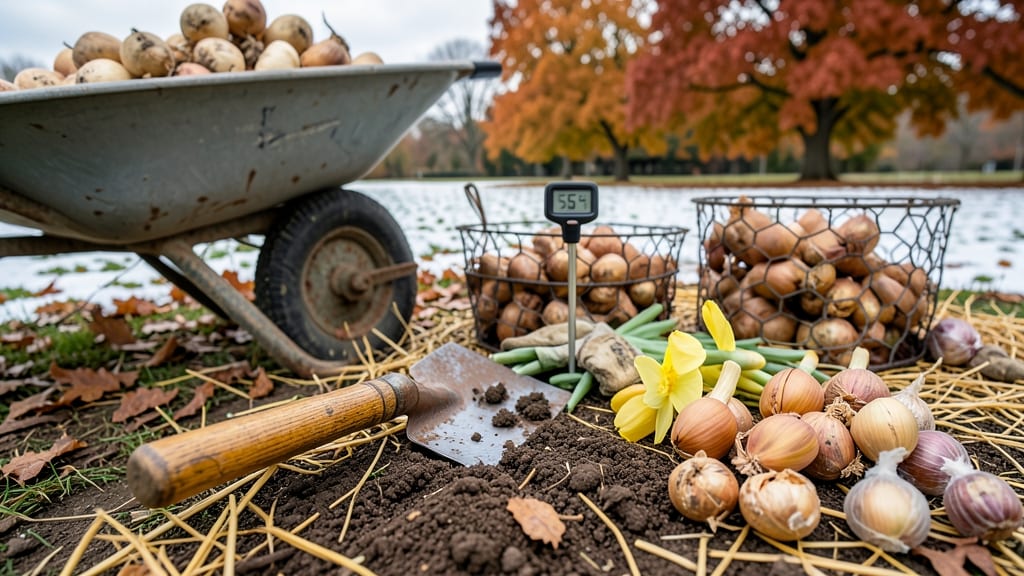
Planting bulbs in Minnesota isn't just about tossing them in the ground—it's about working with the frost dates to ensure those vibrant 🌷 blooms you crave every spring.
The difference between a thriving garden and a frost-killed disappointment often comes down to timing, especially in zones 4a-5a where winters are long and unpredictable.
Fall is your best bet for planting most bulbs, but rushing it can leave them vulnerable to winter's harsh bite. I've learned the hard way that planting too early or too late means fewer flowers—or none at all.
The key is getting those bulbs in the soil 6-8 weeks before the ground freezes, usually between late September and mid-October.
But what if you missed fall? Don't panic—spring planting is still an option for certain varieties, though it requires careful timing to avoid frost damage.
Whether you're a seasoned gardener or just starting, I'll walk you through the exact windows for tulips, daffodils, and other cold-hardy favorites that thrive in Minnesota's climate.
Ready to transform your yard into a springtime explosion of color? Let's dive into the frost-free strategies that will have your bulbs blooming reliably year after year—no guesswork required.
Minnesota’s frost dates by region: critical planting windows for spring and fall bulbs
Minnesota’s USDA zones 3-5 create unique challenges for bulb planting, where late spring frosts and early fall freezes can ruin your blooms. Understanding your local frost dates is the key to timing fall bulb planting (for spring blooms) and spring bulb planting (for summer/fall flowers).
I’ll break down the critical windows for Twin Cities, Duluth, and Rochester—plus how to adjust for your exact location.
Most Minnesota gardeners focus on fall planting (September-October) because it gives bulbs time to establish roots before winter. However, spring planting (April) works for tender bulbs like dahlias or canes.
The difference between planting too early (bulbs rot) or too late (they don’t root) often comes down to just 2-3 weeks. Let’s dive into the specifics for your region.
⚠️ Critical Note: Plant bulbs 6-8 weeks before ground freeze in fall or 4-6 weeks before last frost in spring. Use these regional averages as your guide, then adjust based on your microclimate (e.g., urban heat islands or north-facing slopes).
Here’s how frost dates vary across Minnesota, with exact windows for tulips, daffodils, hyacinths, and alliums—the most popular bulbs for our climate:
| Region | USDA Zone | Avg. First Frost | Fall Planting Deadline | Spring Planting Window | Best Bulbs for Zone |
|---|---|---|---|---|---|
| Twin Cities (Minneapolis/St. Paul) | 4b-5a | October 15 | September 15–October 10 | April 15–May 10 | Daffodils, Tulips, Alliums, Hyacinths |
| Duluth & Northern MN | 3b-4a | October 1 | September 1–September 25 | April 1–April 20 | Siberian Squill, Crocuses, Snowdrops |
| Rochester & Southeast MN | 4a-4b | October 10 | September 20–October 5 | April 10–April 25 | Tulips, Daffodils, Fritillaries |
For Twin Cities gardeners, aim to plant daffodils and tulips by October 10 to avoid winter heaving (when bulbs push up through frozen soil). In Duluth’s colder Zone 3b, focus on early bloomers like crocuses—they tolerate frost better and naturalize beautifully.
Meanwhile, southeast Minnesota (Rochester) has a slightly longer window, making it ideal for Darwin Hybrid tulips, which thrive in warmer microclimates.
Spring planting is riskier but works for tender bulbs like cannas or dahlias. Wait until soil temperatures reach 50°F (use a soil thermometer!) and plant after the average last frost date.
In the Twin Cities, that’s typically May 15, but check your local MN State Climatology Office for updates. Pro tip: Cover new spring plantings with frost cloth if a late frost is forecasted.
One common mistake? Planting too deep in heavy clay soils. In Minnesota, bulbs should go 2-3 times their height deep (e.g., a 2-inch daffodil bulb needs 4-6 inches of soil).
Use a soil probe to check depth—over-planting delays blooms and invites pests. Amend clay soil with compost or sand to improve drainage, especially in low-lying areas where water pools.
If you’re in Zone 4a or colder, prioritize cold-hardy bulbs like Siberian squill or starflower. These thrive in our harsh winters and often return year after year.
For Zone 5a areas (like parts of the Twin Cities), you can experiment with later-blooming tulips or hyacinths, but monitor their performance—some varieties may need winter mulch for extra protection.
🌱 Action Step: Mark your calendar for September 15–October 10 (fall) and April 15–May 10 (spring) based on your zone. Set a reminder to check weekly frost forecasts from the National Weather Service as your deadline approaches
Best bulb varieties for Minnesota gardens: cold-hardy picks that thrive in Zone 4
Minnesota’s harsh winters can make bulb selection tricky, but the right varieties thrive in Zone 4 with minimal fuss. The key is choosing cold-hardy bulbs that bloom early or late to avoid frost damage.
My top picks balance reliability, color variety, and extended season interest, from classic tulips to underrated gems like Siberian squill.
For early spring color, no bulbs outperform daffodils. The ‘Ice Follies’ variety stands out with its pure white blooms and deer resistance. These Zone 3-8 hardy beauties push through snow for cheerful displays as soon as the ground thaws.
Pair them with ‘Tête-à-Tête’ mini daffodils for container gardens or edging.
If tulips are your must-haves, skip the fancy hybrids that flop in cold climates. Instead, opt for Darwin Hybrid tulips like ‘Apeldoorn’ or ‘Queen of Night’. These late-blooming varieties (June) avoid spring frost and rebloom reliably for years. Plant them 6 inches deep in well-draining soil to prevent rot.
For extended season interest, add Siberian squill (Scilla siberica) and starflower (Ipheion uniflorum). Both bloom in March-April before most bulbs and handle Zone 3 winters without fuss. Their star-shaped flowers add whimsy to woodland gardens or rock crevices, where they self-seed generously.
Don’t overlook alliums for late summer drama. ‘Purple Sensation’ alliums produce 3-inch globes of lavender blooms in July, attracting pollinators while adding vertical interest. These Zone 4 stalwarts thrive in full sun and drought conditions, making them perfect for low-maintenance borders.
Pro tip: Layer bulbs in one planting hole for season-long color. Start with crocuses at the bottom (they bloom first), then add tulips, followed by alliums at the top. This 3-tier system creates a natural bloom progression from early spring to summer.