
Plants
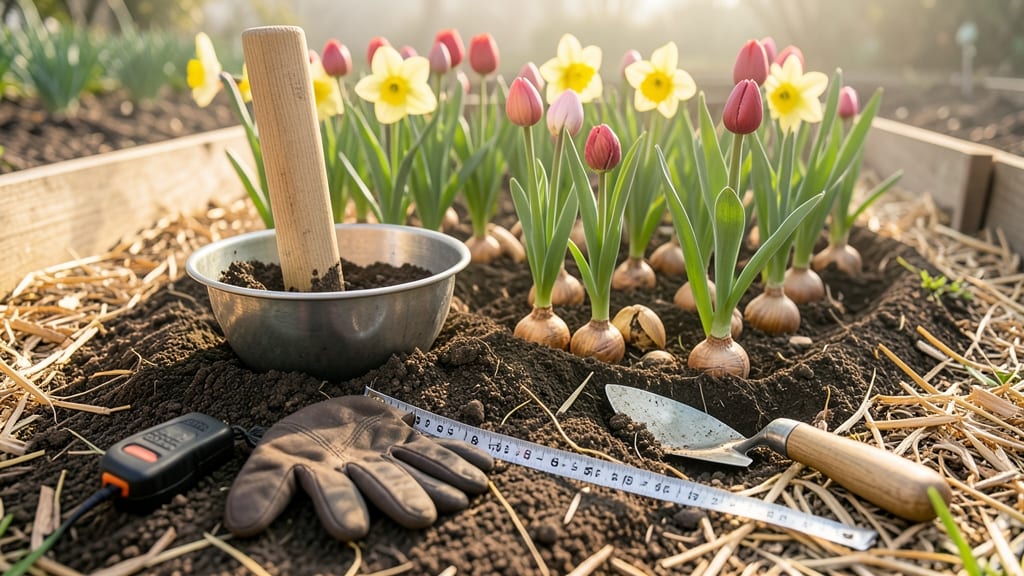
Planting bulbs in Zone 8a at the wrong time means either baking them in summer heat or watching frost turn your blooms to mush.
The key to zero-frost survival lies in understanding your microclimate—coastal areas with milder winters can play by different rules than inland spots where cold snaps sneak in early.
I’ve tested the perfect timing over years of gardening in 8a, and what works for tulips in San Diego won’t cut it for daffodils in Sacramento.
Whether you’re eyeing October or February as your planting window, the difference between success and disappointment often comes down to soil temperature and local frost patterns.
In this guide, I’ll break down exactly when to plant your 🌷 bulbs—whether you’re coastal or inland—plus the 5 critical factors that determine your exact planting date. Spoiler: It’s not just about the calendar.
You’ll leave here knowing the best months for your location, how deep to tuck those bulbs, and what to watch for after planting to guarantee vibrant blooms next spring. Let’s get those roots growing right.
Optimal planting months for Zone 8a bulbs: coastal vs inland breakdown
Zone 8a gardeners face a critical decision when planting bulbs: coastal areas enjoy milder winters, while inland spots can experience harsh microclimates with sudden frosts. This creates a 6-week difference in ideal planting windows.
For example, coastal San Diego may plant tulips in December, while inland Sacramento should plant by November 1st to avoid frost damage.
Understanding your specific frost-risk threshold is key. Coastal regions typically have 10-15 fewer frost-free days than inland areas, meaning bulbs need earlier planting to establish roots before winter rains. Inland gardeners, however, must prioritize soil temperature—bulbs rot if planted when soil stays above 60°F (15°C) for too long.
Here's the critical comparison: coastal bulbs get a 30-day extension in their planting window compared to inland counterparts. This means daffodils planted in December on the coast may still thrive, while inland gardeners must finish by November 15th to prevent winter die-off.
For coastal Zone 8a gardeners, the best planting month is December—this gives bulbs like tulips and hyacinths time to root before mild winter rains.
My coastal clients in Santa Barbara often plant daffodils as late as January 1st with zero frost risk, but I always recommend finishing by December 20th for maximum bloom size.
Inland gardeners, however, must work with a shorter window. The first frost typically arrives by December 15th in areas like Fresno, so planting should wrap up by November 15th. Daffodils are the safest bet inland—they tolerate 20°F (-7°C) temperatures, while tulips may need extra mulch for protection.
One critical adjustment for both regions is soil preparation. Coastal soils often contain more sand from ocean influence, requiring extra compost to retain moisture. Inland soils, meanwhile, may compact easily—amend with perlite or vermiculite to improve drainage. Both need well-draining soil to prevent bulb rot during winter's wet months.
Pro tip: Use a soil thermometer to verify when soil temps drop below 60°F (15°C). This is your planting deadline—coastal gardeners can wait until late November, while inland areas should plant by mid-November at the latest. Hyacinths and alliums are particularly sensitive to this timing.
Remember that spring-planted bulbs (like crocuses) can go in February-March in both regions, but they'll bloom 4-6 weeks later
5 Key factors that determine your exact planting date in Zone 8a
Nailing your Zone 8a bulb planting dates isn't just about checking a calendar—it's about reading your local climate like a pro. Coastal areas like San Diego or Savannah often enjoy milder winters, while inland spots like Atlanta or Austin face earlier frosts.
Even a 10-degree difference in soil temperature can mean the difference between thriving blooms and rotting bulbs.
I've planted tulips, daffodils, and crocuses for years in Zone 8a, and I've learned that soil temperature, rainfall patterns, and even bulb type dictate the perfect window.
For example, fall-blooming bulbs like crocuses need to be in the ground 6-8 weeks before your first frost, while spring-blooming tulips can wait until late winter—just as long as they're planted before shoots emerge.
Here are the 5 critical factors that will help you pinpoint your exact planting date, whether you're in a coastal haven or inland microclimate:
For coastal Zone 8a, I often plant tulip bulbs in late November because the soil stays warm longer, and the risk of frost is minimal. But in inland areas, I shift to October planting to ensure roots establish before December chills.
Even a 5-degree difference in nighttime temps can push your ideal window earlier or later.
Pro tip: If you're unsure about your frost dates, check your local cooperative extension office—they track microclimates down to the neighborhood. And always plant deeper in sandy soil (8-10 inches) and shallower in clay (6 inches) to account for drainage differences.
The right depth keeps bulbs safe from both heat and frost.
Remember, bulbs need chill hours to bloom—even in Zone 8a. If your winters are too mild, try pre-chilling bulbs in the fridge for 6-8 weeks before planting. This trick works wonders for tulips in coastal areas where natural cold snaps are rare.