
Plants
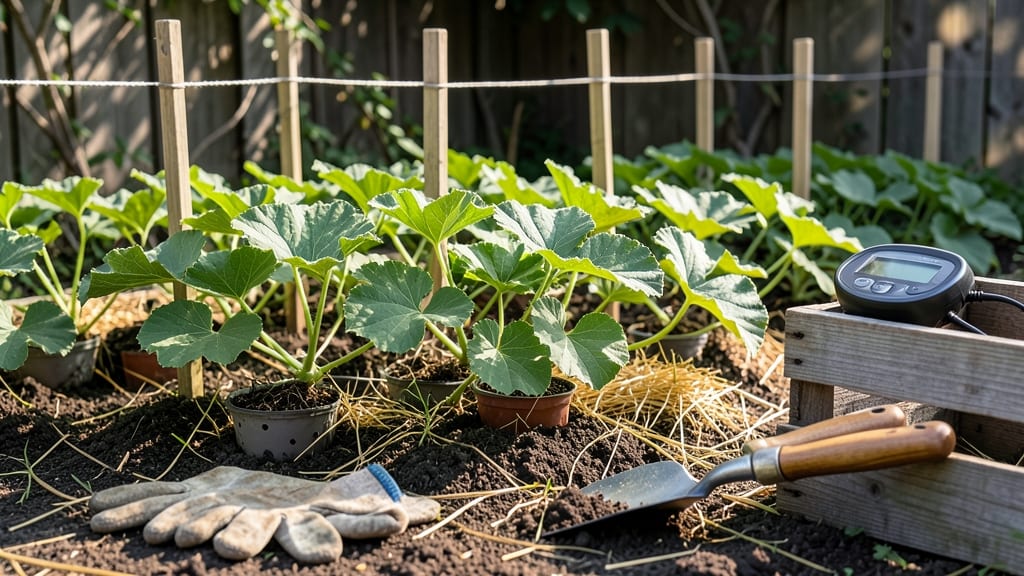
Planting cantaloupe 🍈 in Arkansas isn’t just about tossing seeds in the dirt—it’s about timing the 180-220 frost-free days you need for sweet, ripe melons. Get it wrong, and you’ll either lose your crop to late frosts or watch your vines wilt in summer’s brutal heat before they produce.
Most Arkansas gardeners in zones 7a-8b wait until after April 15 to plant, when soil temperatures hit 70°F and all frost danger has passed.
But that window can shift dramatically depending on whether you’re in the cooler northwest or the warmer southeast—so knowing your exact last frost date is the key to success.
I’ll break down the exact planting timeline for your region, plus soil prep tips and heat tolerance tricks to ensure your cantaloupe thrives from seed to harvest. Let’s make sure your July-September harvest is packed with flavor, not frustration.
Whether you’re a first-time gardener or a seasoned pro, these insights will help you avoid common mistakes and maximize your cantaloupe’s potential in Arkansas’ unique climate.
Arkansas frost-free dates & soil temperature requirements for cantaloupe
Arkansas spans USDA Hardiness Zones 7a-8b, meaning gardeners must balance last frost dates with soil warmth to grow cantaloupe successfully. The Northwest (e.g., Fayetteville) typically sees its last frost around April 15, while the Southeast (e.g., Little Rock) warms up by March 20.
These dates create a 2-3 week window where timing can make or break your harvest.
Cantaloupe seeds need soil temperatures of 60-65°F to germinate, but vines thrive best when soil stays above 70°F for consistent growth. In Arkansas, this usually means waiting until mid-April to early May for most regions.
Planting too soon risks cold soil stunting or frost damage, while waiting too long may leave vines struggling in peak summer heat.
Regional differences matter: Northern Arkansas (Zone 7a) should hold off until after April 20, while Southern Arkansas (Zone 8a) can start as early as late March. Use a soil thermometer to verify warmth—60°F+ at 2 inches deep is your green light. Without this, seeds may rot or sprout unevenly.
| Region | Avg. Last Frost | Ideal Planting Window | Soil Temp Requirement | Heat Tolerance Threshold |
|---|---|---|---|---|
| Northwest (Fayetteville) | April 15 | April 25 - May 10 | 60-65°F (germination) | Up to 95°F (mature vines) |
| Central (Little Rock) | March 25 | April 10 - April 25 | 60-65°F (germination) | Up to 95°F (mature vines) |
| Southeast (El Dorado) | March 15 | March 30 - April 15 | 60-65°F (germination) | Up to 95°F (mature vines) |
| All Regions | N/A | Soil must stay ≥70°F | 60-65°F (seed start) | 90-95°F (peak heat) |
Mature cantaloupe vines handle Arkansas’ summer heat well, thriving in temperatures up to 95°F. However, prolonged heatwaves above 100°F can stress plants, reducing fruit quality. If your area hits consistent 100°F+ days, provide afternoon shade cloth (30-50% shade) to protect vines while allowing full morning sun for energy.
To extend your growing season, use black plastic mulch to warm soil faster in spring. This can push your planting window 1-2 weeks earlier in cooler regions like Northwest Arkansas. For late-season harvests, choose heat-tolerant varieties like 'Athena' or 'Hale’s Best', which mature faster in hot conditions.
Check the Arkansas Cooperative Extension Service for localized frost alerts—their Frost Free Date Maps update annually based on 30-year climate averages. Bookmark their planting calendar to avoid surprises, especially if you’re in a transition zone like Central Arkansas where frost dates can shift yearly.
If you’re unsure about your exact last frost date, use the "10-day rule": Wait until 10 days after the average last frost date in your area. This buffer accounts for late-season cold snaps that can still occur.
For example, if Little Rock’s average last frost is March 25, hold off until April 4 to be safe.
For container growing, soil warms faster in pots, so you can plant 1-2 weeks earlier than in-ground. However, containers also dry out quicker—water daily in summer to maintain <
Step-by-step planting timeline: from seed to harvest in Arkansas
Growing cantaloupe in Arkansas requires precise timing to align with the state's variable climate and heat demands. Unlike cold-hardy crops, cantaloupe thrives only when soil temperatures consistently stay above 60°F (15°C), making early planting a risky gamble.
My experience shows that even one late frost can devastate young seedlings, so I always wait until mid-April to early May for outdoor planting.
For gardeners eager to get a head start, indoor seed starting is possible, but Arkansas' short growing season means you must transplant outdoors before June 1 to ensure harvest before fall frosts.
Popular varieties like 'Athena' and 'Hale’s Best' mature in 75-90 days, so timing is critical—plant too late, and you’ll miss your window entirely.
Adjust your timeline if you’re in northern Arkansas (USDA Zone 7a)—opt for early-maturing varieties like 'Athena' and plant by April 20 to avoid fall frosts.
In southern Arkansas (Zone 8a/b), you can push planting to early June for a late-summer harvest, but expect smaller yields due to intense heat stress.
Pro tip: Use row covers for 3–4 weeks post-transplanting to protect young plants from late spring frosts or pests like cucumber beetles. I’ve seen firsthand how a single cold snap can set back growth by 2–3 weeks, so don’t skip this step.
For extended harvests, succession plant every 2 weeks from April 15 to May 15. This ensures a steady supply of melons throughout the summer, especially useful if you’re preserving or selling at local markets. Just remember: overcrowding reduces yield, so stick to the 2-foot spacing guideline.
🌱