
Plants
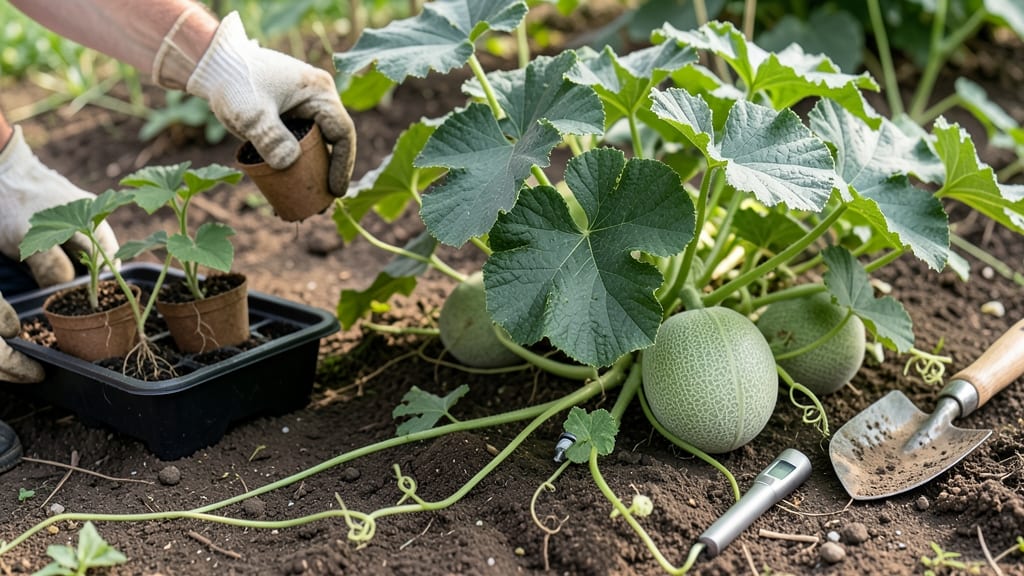
Planting cantaloupe in Ohio isn’t just about throwing seeds into the ground—it’s about timing them perfectly to avoid frost or sweltering heat. Since cantaloupe 🍈 thrives only when soil hits 70°F and stays frost-free, getting the window wrong means wasted effort (or worse, no harvest at all).
Most Ohio gardeners wait until mid-April to early May, but that’s just the starting point. The real secret? Adjusting for your county’s last frost date—some areas like Zone 6a can safely plant weeks before others. I’ll break down the exact frost-free deadlines so you don’t miss your chance.
Beyond dates, Ohio’s soil and microclimates play a huge role. Sandy soils in northwest Ohio warm faster than clay-heavy regions in the southeast, meaning your neighbors might be harvesting while you’re still waiting. Let’s fix that with soil prep tips and planting hacks tailored to your corner of the state.
Ready to grow juicy, vine-ripened cantaloupe? You’ll also learn how to extend the season for a second harvest, avoid common mistakes, and even pair your plants with the best companions. Let’s get those seeds in the ground the right way.
Ohio’s frost-free deadlines by county: the best planting windows for cantaloupe
Ohio’s diverse climate means last frost dates can vary by over 3 weeks across counties—critical timing for cantaloupe success. These warm-season vines need consistent 70°F+ soil and 120+ frost-free days to mature.
Below, I’ve mapped county-specific planting windows using NOAA data and Ohio State Extension guidelines to help you avoid frost damage or rushed harvests.
Cantaloupes thrive in Ohio’s USDA Zone 6a, but microclimates create localized exceptions. For example, Appalachian counties like Athens may see frost 2 weeks later than urban areas like Columbus.
Always check your local weather station for real-time updates, but use this table as your baseline for direct sowing vs. transplanting strategies.
Key takeaway: Plant transplants 2-3 weeks before your county’s last frost date, while direct sowing should wait until soil temperatures hit 70°F+ (typically late May in most regions). Cantaloupes are annuals, so every season starts fresh—don’t skip soil prep!
For northern Ohio counties like Lucas or Wood, transplanting in late April gives vines a head start before soil warms. In contrast, southern Ohio (e.g., Athens or Scioto) can safely direct-sow until mid-June thanks to later frosts.
Pro tip: Use black plastic mulch to raise soil temps 5-10°F faster in cooler regions.
Cantaloupes need 80-90 days to mature, so planting after June 15 risks harvests before first frost. For a fall harvest, try early-maturing varieties like ‘Hale’s Best’ (70 days) or ‘Ambrosia’ (75 days) in July—they’ll ripen before October frosts hit most counties.
Always monitor soil temperature with a soil thermometer—cantaloupes won’t germinate below 60°F. In urban heat islands (e.g., Columbus), soil can be 10°F warmer than rural areas, giving you an extra week for planting. Adjust your schedule accordingly!
If you’re in Appalachian counties like Athens or Vinton, extend your season with row covers or cold frames to protect young plants. These areas often have 10-14 extra frost-free days, letting you plant 2 weeks later than northern Ohio without risking frost damage.
For container growing, start seeds indoors 3-4 weeks before your county’s last frost date. Cantaloupes need 5-gallon+ pots and daily watering—containers dry out 3x faster than
How to adjust planting dates for Ohio’s microclimates and soil conditions
Ohio’s diverse soil types and microclimates mean your cantaloupe planting strategy should change depending on where you live. In northwest Ohio’s sandy soils, like in Lucas or Wood counties, the ground warms quickly—often by mid-April.
But in southeast Ohio’s clay-heavy regions, such as Athens or Vinton, you may need to wait until late April or early May for the soil to reach the 70°F threshold cantaloupe needs to thrive.
High-altitude areas in the Appalachian counties (like Athens or Hocking) face even cooler conditions. Here, frost can linger until May 15, so hold off until then.
Meanwhile, urban gardens in Cincinnati or Columbus might see frost-free conditions by mid-April, but heat islands can create their own microclimates—warmer than surrounding rural areas.
- Soil Test First: Use a soil thermometer to confirm 70°F+ soil temps before planting. Sandy soils hit this mark 2-3 weeks earlier than clay.
- Warm Sandy Soils: In NW Ohio, cover beds with black plastic mulch 1-2 weeks before planting to accelerate warming by 5-10°F.
- Clay Soil Tricks: Amend SE Ohio clay with compost or aged manure to improve drainage. Plant on mounds to prevent waterlogging.
- High-Altitude Delay: In Appalachian zones, start seeds indoors in March and transplant after May 15 to avoid frost.
- Urban Heat Islands: City gardens may plant 1 week earlier than rural areas. Monitor local weather stations for microclimate data.
- Fall Harvest Hack: For a second crop, plant heat-tolerant varieties like 'Athena' in late June and use row covers to extend the season.
Mulching is your secret weapon for adjusting planting dates. In sandy soils, use straw or grass clippings to retain moisture and keep roots cool during Ohio’s 90°F+ heat waves. For clay soils, opt for black plastic mulch to warm the soil faster and suppress weeds.
In high-altitude areas, a thick layer of straw can protect young plants from late spring frosts that often hit after May 15.
If you’re aiming for a second fall harvest, choose heat-tolerant cantaloupe varieties like 'Ambrosia' or 'Hale’s Best'. Plant these in late June and use drip irrigation to keep roots cool.
In SE Ohio’s clay soil, raise beds to improve drainage and add composted leaves to prevent compaction. For NW Ohio’s sandy soil, consider container growing to control moisture levels better.
Don’t forget that urban gardens often face unique challenges. Pavement and buildings create heat islands, so plant cantaloupe near reflective surfaces or use light-colored mulch to deflect excess heat. In Appalachian counties, where nights stay cool, use row covers during flowering to protect blossoms from frost pockets.
Always monitor your garden’s specific conditions—what works in Toledo might fail in Athens.
By adjusting your planting dates based on Ohio’s soil types and microclimates, you’ll maximize your cantaloupe yield. Start with a soil test, use mulch strategically, and don’t hesitate to extend the season with row covers or containers.
With these tweaks, you’ll be harvesting sweet, ripe cantaloupes from July through September—no matter where in Ohio you garden. 🍈