
Plants
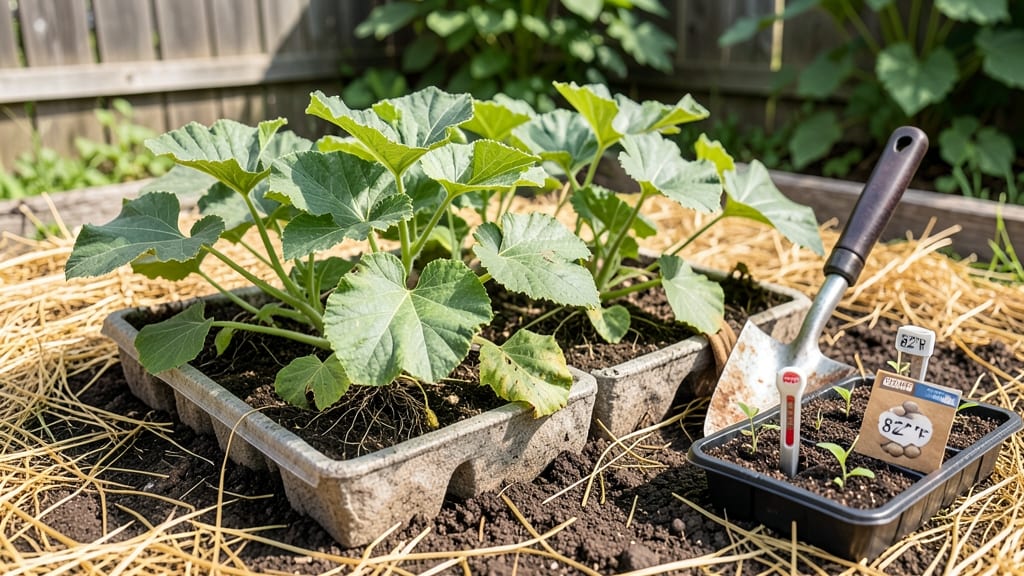
Planting cantaloupe in Louisiana isn't just about the calendar—it's all about soil temperature. Skip the guesswork and you risk slow germination or worse, a crop lost to early heat. The key? Waiting until the ground hits 70°F or warmer, which typically lands in mid-April for most of the state.
Here's why timing matters: cantaloupe 🍈 seeds need warmth to sprout, and Louisiana's unpredictable spring weather can leave you waiting. Plant too early, and frost might still linger in the north; too late, and summer arrives before your vines get established.
The sweet spot? After the last frost (usually mid-March) but only when soil temperatures consistently stay above 60°F.
I've learned the hard way that rushing leads to disappointment. Whether you're a first-time gardener or a seasoned pro, understanding these triggers means faster germination and a harvest-ready crop by June. Let me show you exactly how to time it right for your Louisiana garden.
From black plastic mulch to variety selection, we'll cover everything you need to know to maximize your cantaloupe's potential. Ready to grow melons that actually ripen? Let's get started.
Optimal planting windows for cantaloupe in Louisiana based on soil temperature
Cantaloupes thrive in Louisiana’s warm climate, but soil temperature is the #1 factor determining success. Seeds need 60°F+ soil to germinate, but growth accelerates dramatically at 70°F+.
Planting too early risks frost damage, while late planting may mean harvests arrive during Louisiana’s brutal summer humidity. Let’s break down the perfect planting windows for your region.
Louisiana’s climate varies dramatically from North Louisiana (USDA Zone 8a) to South Louisiana (Zone 9b). North Louisiana’s cooler springs delay planting by 2-3 weeks compared to warmer southern parishes.
Even within regions, microclimates near water bodies or urban heat islands can shift ideal planting dates by 10 days or more. Always verify your last frost date (typically mid-March in most areas) and monitor soil temps with a soil thermometer.
Here’s your region-specific planting guide based on soil temperature thresholds and historical data from LSU AgCenter:
| Region | Soil Temp Threshold | Optimal Planting Window | Key Considerations |
|---|---|---|---|
| North Louisiana (Zone 8a) | 60°F+ (germination) 70°F+ (rapid growth) |
Late March to mid-April | Cooler nights; use black plastic mulch to warm soil faster. Avoid planting before March 20th due to frost risk. |
| Central Louisiana (Zone 8b) | 60°F+ (germination) 70°F+ (rapid growth) |
Early March to early April | Warmer than north; can plant 1-2 weeks earlier. Monitor for soilborne diseases in humid conditions. |
| South Louisiana (Zone 9a-9b) | 60°F+ (germination) 70°F+ (rapid growth) |
Mid-February to late March | Longest growing season; can plant as early as February 15th in southern parishes. Late plantings (April) still yield well with proper care. |
| Urban Heat Islands (e.g., New Orleans, Baton Rouge) | 60°F+ (germination) 70°F+ (rapid growth) |
Late February to early April | City heat allows earlier planting. Watch for pests like cucumber beetles in warm microclimates. |
For direct-seeded cantaloupes (the recommended method in Louisiana), aim to plant when your soil consistently hits 70°F+ during the day. In North Louisiana, this typically aligns with late March, while South Louisiana gardeners can start as early as mid-February.
Use a soil thermometer to confirm—dig 2-3 inches deep where you’ll plant, as surface temps can be misleading.
Pro tip: Black plastic mulch can raise soil temps by 10-15°F, letting you plant 1-2 weeks earlier in cooler regions. Lay it down 1-2 weeks before seeding to warm the soil.
Pair this with row covers for early plantings to protect against unexpected cold snaps, especially in North Louisiana. Remove covers once vines emerge to prevent overheating.
If you’re in South Louisiana, you can even try a fall planting for a late-season harvest. Sow seeds in early August when soil temps drop below 90°F.
This avoids the peak summer heat and can yield fruit by October or November before the first frost. Just be prepared for shorter daylight hours slowing growth.
Timing isn’t just about the calendar—it’s about soil conditions. Louisiana’s heavy clay soils in some areas can stay cold longer, while sandy soils in coastal regions warm up faster. Amend clay soils with compost or sand 2-3 weeks before planting to improve drainage and heat absorption.
For sandy soils, add organic matter to retain moisture during Louisiana’s intense summer sun.
Remember: Cantaloupes hate cold soil. If you plant too early and germination stalls, seeds may rot. In North Louisiana, I’ve seen gardeners rush planting in early March only to have seeds fail to sprout until April, wasting precious growing time.
Patience pays off—wait for that 70°F soil temp threshold, and your cantaloupes will reward you with fast, vigorous growth.
🌱 For Louisiana gardeners, the best planting window is a balance: early enough to maximize the growing season, but late enough to avoid frost. Use this guide as your starting point, then adjust based on your microclimate, soil type, and last year’s planting success. Happy growing!
How to prepare your Louisiana garden for cantaloupe success
Cantaloupes thrive in Louisiana’s warm climate, but they need the right conditions to produce sweet, juicy fruit. The key starts with soil preparation—cantaloupes hate soggy roots, so well-draining soil is non-negotiable. Louisiana’s humid summers also demand extra care to prevent fungal diseases while keeping vines hydrated without overwatering.
Begin by testing your soil’s pH—cantaloupes prefer a slightly acidic to neutral range of 6.0 to 6.8. If your soil is heavy clay (common in southern Louisiana), amend it with compost or aged manure to improve drainage.
Raised beds work wonders for areas prone to waterlogging, especially after heavy rains.
⚠️ CALLOUT WARNING: Avoid Planting Too Early in Louisiana Cantaloupe seeds need soil temperatures above 70°F to germinate properly. Planting before this threshold (common in early March for North Louisiana) risks slow growth or rot. Use a soil thermometer to confirm readiness—wait until late March to early April for most regions.
In South Louisiana, you can start slightly earlier (mid-March), but always check frost forecasts. Even a light frost can devastate young seedlings, and Louisiana’s unpredictable spring weather demands patience. 🌱
Once your soil is prepped, enrich it with a balanced fertilizer (10-10-10) at planting time. Cantaloupes are heavy feeders, but too much nitrogen early on will encourage leafy growth at the expense of fruit.
Instead, side-dress with compost or a low-nitrogen fertilizer when vines start running (about 4-6 weeks after planting).
Louisiana’s intense sun and heat make black plastic mulch a game-changer. Lay it down 2-3 weeks before planting to warm the soil faster and suppress weeds. The mulch also helps retain moisture, reducing your watering frequency during dry spells.
Just remember to leave small gaps near the base of plants to prevent rot from trapped moisture.
Companion planting can boost your cantaloupe yield by deterring pests naturally. Pair vines with marigolds or nasturtiums to repel cucumber beetles, a common Louisiana pest. Avoid planting near potatoes or squash, as they compete for nutrients and attract similar diseases.
Let vines sprawl freely—cantaloupes need space, so allocate at least 3-4 feet per plant or use trellises for vertical growth in tight spaces.
Finally, monitor for powdery mildew, a fungal threat in Louisiana’s humidity. Space plants for airflow and water at the base (not overhead) to keep foliage dry. If mildew appears, treat with a neem oil spray or baking soda solution.
With these steps, your cantaloupe patch will be ready to produce a bountiful harvest by late summer. 🍈