
Companion Plants
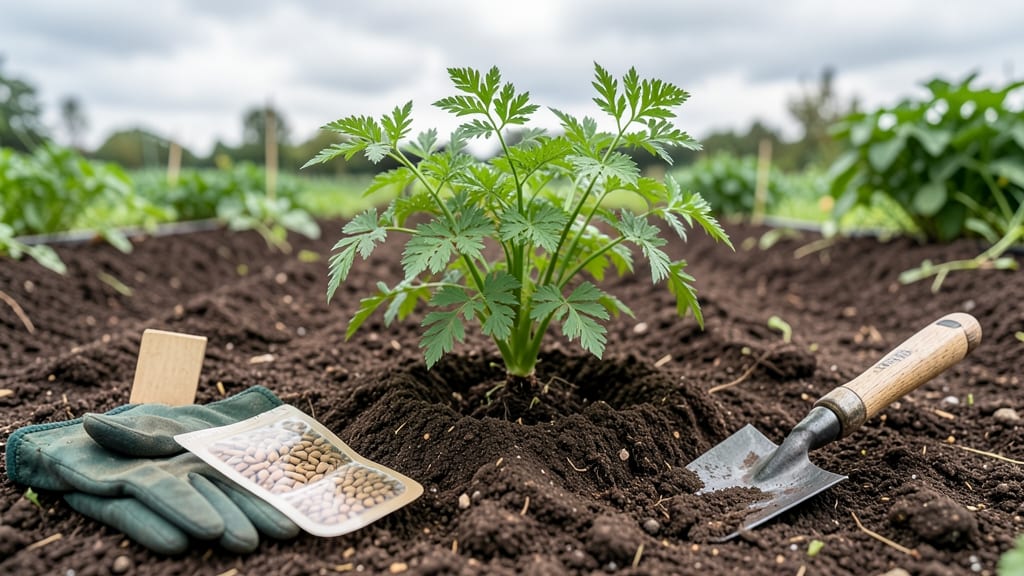
Timing your 🥕 carrot planting in Kentucky isn’t just about checking the calendar—it’s about reading the soil’s hidden clues. Plant too early, and your seeds will rot in cold, wet earth; too late, and summer’s heat sends them bolting before you even taste that first harvest.
The key? Waiting for soil temperatures to hit 50-70°F—a trick that turns guesswork into a predictable, fast-growing success.
In Kentucky’s Zone 6a, your best windows open in early spring (March-April) and late summer (July-August), but those dates shift with the Bluegrass Region’s unpredictable weather.
I’ll show you exactly how to test soil temperature (yes, it’s easier than it sounds) and avoid the three mistakes that kill germination before it starts.
Why does this matter? Because fast germination means fewer pests, fewer weeds, and carrots ready to pull in just 60 days—not the 90 you’d expect.
Whether you’re a first-time gardener or a veteran with patchy results, these soil secrets will transform your carrot patch from hit-or-miss to consistently crisp and sweet.
Let’s cut through the confusion and get your 🥕 carrots growing on a schedule that actually works for Kentucky’s climate.
You’ll learn the exact soil temps to watch for, which carrot varieties bolt fastest in summer heat, and how to stretch your harvest from May through October—no more wasted seeds or empty rows.
Best planting windows for carrots in Kentucky (with soil temp charts)
Kentucky’s diverse microclimates—from the Bluegrass Region to the Cumberland Plateau—create unique planting challenges for carrots. While most gardeners focus on calendar months, soil temperature is the real game-changer.
Carrot seeds need 50-70°F soil to germinate reliably, and Kentucky’s frost dates vary by 2-3 weeks across regions. Let’s break down the best windows for your specific area.
For early spring plantings, aim for late March to mid-April in the Bluegrass Region (Lexington, Louisville), where last frost typically hits March 15. In Pennyrile (Paducah) and Cumberland Plateau (Berea), wait until mid-April to avoid cold snaps.
Late summer plantings should happen by early August to ensure harvest before first frost in mid-November.
Here’s a quick reference for your region’s ideal planting windows and soil temperature thresholds:
| Region | Early Spring Window | Soil Temp (°F) | Late Summer Window | Key Notes |
|---|---|---|---|---|
| Bluegrass Region | Late March - Mid-April | 55-65°F | Early August | Use row covers for early frost protection |
| Pennyrile | Mid-April | 60-70°F | Late July | Hotter summers—opt for heat-tolerant varieties |
| Cumberland Plateau | Mid-April | 50-60°F | Early August | Cooler nights—extend season with black plastic mulch |
In the Bluegrass Region, where soil warms faster, you can start seeds indoors in late February for transplanting after last frost. For Pennyrile’s hotter summers, focus on shade cloth during peak heat to prevent bolting.
The Cumberland Plateau benefits from black plastic mulch, which raises soil temperature by 5-10°F and speeds germination.
If you’re planting in late summer, prioritize short-day varieties like ‘Paris Market’ or ‘Little Finger,’ which mature faster in Kentucky’s shorter fall days. For spring plantings, ‘Danvers Half Long’ or ‘Nantes’ are excellent choices—they tolerate cooler soils and produce sweet roots even in 50°F temperatures.
Pro tip: Use a soil thermometer (inserted 1 inch deep) to confirm readiness. If temps dip below 50°F, wait 1-2 weeks—carrot seeds won’t germinate in cold soil, no matter how eager you are! Patience here prevents rot and ensures strong starts.
For succession planting, sow seeds every 2-3 weeks until mid-July to stagger harvests. This works especially well in Pennyrile, where summer heat can stress plants. In cooler Plateau regions, extend plantings into early September for a fall crop.
Watch for carrot rust fly in late summer—these pests thrive in warm soil. Use floating row covers or straw mulch to deter them without sacrificing yield. In my Kentucky garden, I’ve found that interplanting carrots with onions or leeks naturally repels flies while improving flavor.
Remember: Soil prep is half the battle. Loosen soil to 12 inches deep to prevent forking, and mix in compost for sweetness. In clay-heavy areas (common in the Plateau), add sand or peat moss to improve drainage—carrots hate soggy roots!
With these windows and tips, you’ll avoid the 3 biggest mistakes: planting too early (rot risk), too late (pest pressure), or in unprepared soil (forked roots). Happy planting—your crisp, homegrown carrots will be worth the wait! 🥕
How to test soil temperature for carrots (and avoid common mistakes)
Testing soil temperature for carrots isn’t just about waiting for the calendar to say "spring"—it’s about giving your seeds the perfect 50-70°F window they need to germinate.
In Kentucky’s Zone 6a, I’ve learned the hard way that planting too early in March often means soggy, rotting seeds, while waiting too long risks summer’s 80°F+ heat sending them bolting before harvest. The solution?
A simple soil thermometer and a few key tricks to read your garden’s hidden signals.
Most gardeners focus on air temperature, but carrot seeds care about what’s happening 1 inch deep in the soil. That’s where the magic—and the mistakes—happen.
For example, my clay-heavy soil in Lexington holds cold longer than the sandy loam in western Kentucky, meaning I need to wait 1-2 weeks longer to plant. Let’s fix that guesswork with a foolproof method that works for any Kentucky microclimate.
Here’s the critical rule: Carrot seeds need 50°F for germination, but they’ll rot below 45°F. Above 70°F, they bolt faster than you can say "pest magnet."
I’ve mapped out Kentucky’s last frost dates (typically March 15 in most areas) but always cross-check with soil temps—because frost dates tell you when air is safe, not when soil is ready.
- Mushy seeds: Seeds turn to black slime within days—soil was below 45°F. Solution: Wait 7-10 days or use black plastic mulch to warm soil faster.
- No sprouts after 2 weeks: Seeds may be too deep (max 1/4 inch) or soil too cold. Test temp again—aim for 55°F+.
- Yellowing leaves on sprouts: Fungal rot from cold, wet soil. Thin seedlings immediately and improve drainage.
Pro Tip: Sandy soils warm up 2-3 weeks faster than clay—adjust your planting date accordingly!
To test soil temperature accurately, grab a soil thermometer (digital ones are fastest) and check 1 inch deep—that’s where carrot seeds sit. In my garden, I take readings at 8 AM for consistency, since temps drop overnight.
For Kentucky’s Bluegrass Region, aim to plant when soil hits 55°F in spring (usually mid-April) and 65°F for late summer plantings (early August). Pro tip: Clay soils need 10°F warmer than sandy soils to germinate the same seeds.
Don’t have a thermometer? Use the "back of your hand" trick: Press your palm into the soil for 5 seconds. If it feels cool but not freezing, it’s likely 50-60°F—safe for carrots.
For late summer plantings, I also watch for dandelions blooming (sign of 60°F+ soil) and mosquitoes reappearing (soil is warming fast). These natural cues help me time my July-August plantings before summer heat peaks.
One mistake I made early on was planting Paris Market carrots in February because I thought "spring was coming." The result? 90% seed loss to rot.
Now, I use a 3-step check before planting:
- Soil temp 50°F+,
- No frost forecast for 7 days, and
- Seed packet’s recommended window. For Kentucky, that usually means March 20-April 15 for spring and July 15-August 10 for fall.
Sticking to these dates has cut my germination time from 3 weeks to just 7-10 days.
Remember: Soil temperature is your secret weapon against Kentucky’s unpredictable weather. With a thermometer, a little patience, and these tricks, you’ll turn your carrot patch from a gamble into a guaranteed harvest—no more wasted seeds or empty rows.
Now grab that thermometer, and let’s get those 🥕 carrots growing on your schedule!