
Plants
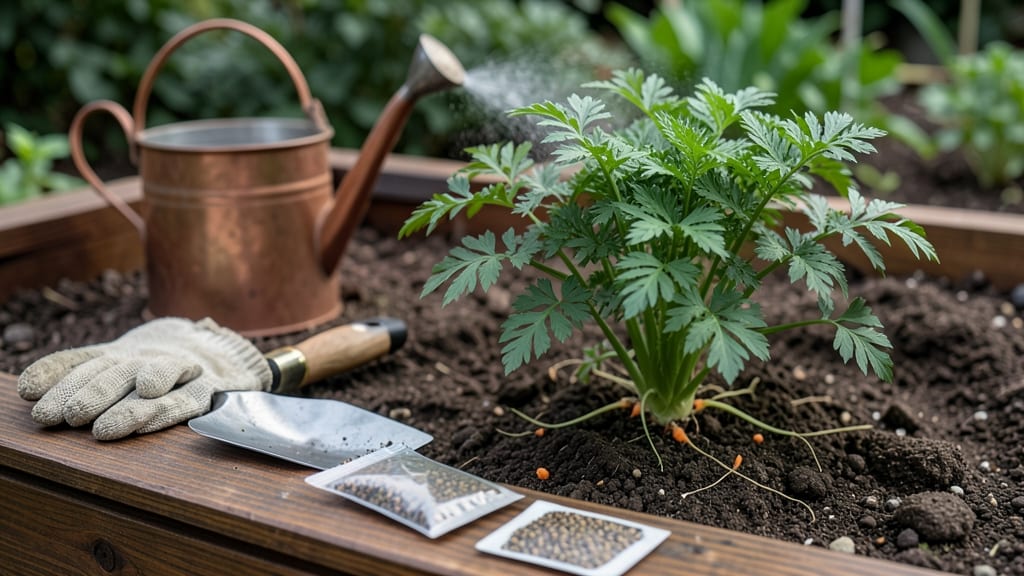
Planting carrots in San Diego might seem straightforward, but the coastal breeze and inland heat create two completely different growing seasons for your 🥕 harvest.
If you time it wrong, you’ll end up with bitter roots or bolting greens—neither of which you want when you’re craving crisp, sweet carrots straight from your garden.
Here’s the game-changer: coastal areas like La Jolla thrive with fall planting, while inland spots near Temecula can handle a second spring window. The key is understanding how your microclimate affects soil temperature and moisture, so you can avoid common pitfalls like forking or woody roots.
I’ll walk you through the ideal planting windows for both zones, plus pro tips for extending your harvest season. Whether you’re a beginner or a seasoned gardener, these strategies will help you grow the perfect carrots all year round.
Ready to dig in? Let’s break down the best times to plant, how to prep your soil, and why watering matters more than you think in San Diego’s Mediterranean climate.
Best planting windows for carrots in San Diego’s coastal vs inland microclimates
San Diego’s coastal and inland microclimates create distinct growing conditions for carrots. Coastal areas like La Jolla and Encinitas enjoy moderate temperatures year-round, while inland zones like Escondido and Temecula face hotter summers and cooler winters. Timing your plantings correctly ensures crisp, sweet roots instead of bitter or woody ones.
In coastal San Diego, the mild climate allows for two primary planting windows: fall (September-October) and early spring (February-March). The inland valleys, however, require adjustments to avoid summer bolting or heat stress. Understanding these differences is key to a successful harvest.
Here’s how to align your carrot planting schedule with San Diego’s unique microclimates for optimal growth:
| Factor | Coastal (La Jolla/Encinitas) | Inland (Escondido/Temecula) |
|---|---|---|
| Primary Planting Window | September-October, February-March | August-September, February-March |
| Soil Temperature for Germination | 60-70°F (ideal) | 65-75°F (warmer needed) |
| Summer Heat Tolerance | Moderate (avoid June-August) | Low (plant shade cloth in July) |
| Frost Risk | None (frost-free year-round) | None (but cooler winters) |
| Harvest Window | November-January, June-August | October-December, May-July |
| Key Adjustment | Stagger plantings every 2 weeks | Use shade cloth for summer plantings |
For coastal gardeners, focus on fall and early spring plantings to avoid summer’s mild heat. Soil temperatures between 60-70°F are ideal for germination, making September and February perfect starts. Inland areas can plant slightly earlier in August but must protect seedlings from heat stress with shade cloth.
In both regions, staggered plantings every 2 weeks ensure a continuous harvest. Coastal carrots thrive in fall’s cooler temps, while inland gardeners should prioritize spring and late summer to escape extreme heat. Avoid planting in June-August inland unless using shade solutions.
Soil preparation is critical—amend beds with compost to improve drainage and prevent forked roots. Coastal areas benefit from looser soil due to higher moisture, while inland gardens may need extra organic matter to retain consistent moisture during dry spells.
Monitor soil moisture closely in both climates. Coastal carrots need 1 inch of water weekly, while inland varieties may require daily shallow watering during summer heat. Mulching helps retain moisture and regulate soil temperature, especially in inland microclimates.
Harvest timing varies slightly: coastal carrots reach maturity in 70-80 days, while inland varieties may take 5-10 days longer due to heat. Always harvest when roots are 1-2 inches thick and tops reach 6-8 inches tall for the crispiest texture.
Pro tip: Succession planting every 2 weeks extends your harvest. In coastal areas, this means September through November plantings; inland, aim for February through April and August through September for fall harvests.
By aligning your planting schedule with these microclimate guidelines, you’ll enjoy homegrown, sweet carrots year-round in San Diego—whether you’re in La Jolla’s coastal breeze or Temecula’s inland heat.
How to extend your carrot harvest season in San Diego’s climate
San Diego’s Mediterranean climate lets you grow carrots almost year-round, but summer heat and winter chill can disrupt your harvest. The key to a steady supply is staggered planting and smart shade solutions to prevent woody roots or bolting.
I’ve learned that coastal areas like La Jolla stay cooler longer, while inland zones like Escondido need extra care during peak summer months. Let’s break down how to maximize your carrot yield with minimal effort.
First, focus on soil preparation—San Diego’s sandy soil often compacts easily, leading to forked carrots. Amend your beds with 3-4 inches of compost and fine sand to create loose, crumbly soil. Test your soil’s pH (aim for 6.0-7.0) and add lime if needed.
I’ve found that cover cropping with clover before planting also improves soil structure naturally. This prep work pays off with straighter, sweeter roots.
Here’s how to extend your harvest season with my proven methods:
- 1. Stagger plantings every 3 weeks from September to March for continuous harvests. Coastal areas can add a June-July planting for fall harvests.
- 2. Use shade cloth (30-50%) during June-August to protect plants from bolting. I’ve had success with removable row covers for afternoon shade in inland gardens.
- 3. Mulch heavily (4-6 inches) with straw or wood chips to retain moisture and cool soil. This is especially critical in USDA Zone 10b areas where summer temps exceed 90°F.
- 4. Choose short-day varieties like ‘Paris Market’ or ‘Little Finger’ for summer planting—they mature faster in heat. Avoid long-day types that bolt quickly in our long summer days.
- 5. Harvest strategically: Pull every other carrot when roots reach 1 inch diameter to encourage remaining plants to grow larger. This “thinning” also prevents overcrowding.
For summer planting, I recommend starting seeds indoors in late May and transplanting seedlings outdoors in early June once soil temps drop below 80°F. Use drip irrigation to keep soil consistently moist—carrots hate drying out, which causes bitter flavors.
In my coastal garden, I’ve had great success with daily watering during June’s heatwaves, even if it means setting up a timer for early morning watering.
Don’t overlook succession planting—this is my secret to a year-round supply. After your first harvest in November, sow a second batch in late January for a spring crop. Inland gardeners should aim for February plantings to avoid summer bolting.
I’ve even experimented with winter mulching (using clear plastic tunnels) to protect early spring plantings from unexpected chilly snaps, which can be common in coastal areas.
Finally, watch for pests like carrot rust flies and diseases like Alternaria leaf spot during humid summer months. Rotate planting locations yearly and practice crop rotation with non-root vegetables like beans or lettuce.
With these strategies, you’ll enjoy homegrown carrots from September through March—and possibly even longer with careful planning! 🥕