
How To
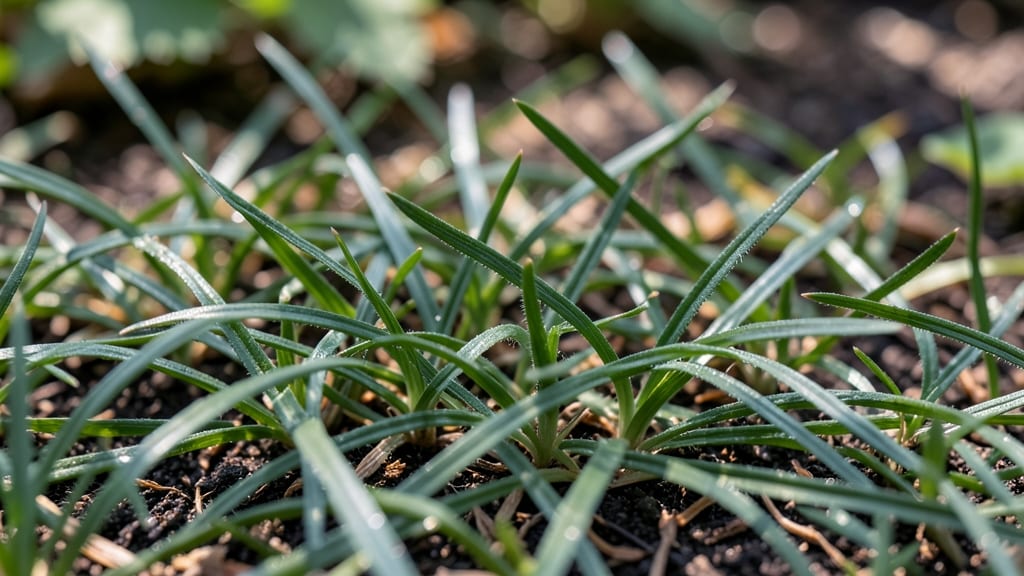
Planting centipede grass in Georgia at the wrong time can mean the difference between a lush, green lawn and a patchy, struggling one—especially when those humid summers and unpredictable frosts come into play.
If you're dreaming of a low-maintenance lawn that thrives in Georgia's 7a-8b climate zones, timing your 🌱 centipede grass planting is the key to success. Too early, and frost can damage new roots; too late, and summer heat might stress young plants before they take hold.
I've seen firsthand how a well-timed planting in early spring (March-April) or late summer (August-September) can make all the difference. The secret? Waiting until soil temperatures hit 60°F—that's when your grass will establish roots faster and handle Georgia's heat like a pro.
Let me walk you through the exact windows, soil prep tips, and regional tweaks that'll help you plant at the perfect moment—so your lawn stays green from spring to fall without the guesswork.
Optimal Georgia planting windows for centipede grass by soil temperature
Centipede grass (Eremochloa ophiuroides) thrives in Georgia’s climate but needs precise timing to establish strong roots before winter. The key factor? soil temperature—plant when it consistently stays above 50°F for at least 3 days.
In Georgia, this means two ideal windows: early spring (March-April) and late summer (August-September), depending on your region.
Georgia’s diverse climate—from North Georgia’s cooler highlands to South Georgia’s subtropical coast—means frost-free dates vary wildly. For example, North Georgia (Zone 7a) has a last frost date around March 15, while South Georgia (Zone 8b) can plant as early as February 15 in coastal areas.
Always check your local USDA Plant Hardiness Zone for accuracy.
Here’s the golden rule: Centipede grass establishes best when soil temps hit 60°F+. Use a soil thermometer to confirm—planting too early in cold soil risks poor root growth, while waiting too late may leave your lawn vulnerable to summer heat stress before winter arrives.
Let’s break down the perfect planting windows by Georgia’s three main regions, including frost-free dates and soil temperature targets to help you plan.
| Region | USDA Zone | Last Frost Date | First Frost Date | Soil Temp Target (°F) | Best Planting Window |
|---|---|---|---|---|---|
| North Georgia | 7a | March 15 | November 15 | 60°F+ | Late April–May or August–September |
| Central Georgia | 7b-8a | March 1 | November 1 | 60°F+ | March–April or August–September |
| South Georgia | 8a-8b | February 15 | October 31 | 60°F+ | February–March or August–September |
Early spring planting (March-April) is ideal for most Georgians because it gives centipede grass 6-8 weeks of warm soil to establish roots before summer heat arrives. In North Georgia’s cooler zones, wait until late April to avoid frost damage—your grass needs time to harden off before winter.
For late summer planting (August-September), aim for 60°F soil temps again. This window works well in Central and South Georgia, where summers are long and hot.
Planting in late summer gives your lawn time to establish before winter dormancy, but avoid planting after September 15—new roots won’t have enough time to strengthen before frost.
Pro tip: If you’re overseeding an existing centipede lawn, late summer (August) is your best bet. The grass will have time to recover before winter, and you’ll avoid competing with summer heat stress. Use a slit seeder to ensure even coverage and water deeply afterward.
One common mistake? Planting too early in North Georgia when soil temps dip below 50°F. Cold soil slows root growth, leaving your lawn weak and prone to winterkill. Always check soil temps with a soil thermometer—it’s the only way to be sure.
In South Georgia’s warmer zones, you can push the envelope slightly. If your soil stays above 60°F into early October, you might get away with a late September planting.
However, this is risky—opt for August planting to play it safe and give your grass the best chance to thrive.
Remember: Centipede grass is drought-tolerant once established, but young seedlings need consistent moisture. After planting, water deeply 2-3 times per week until your lawn is fully established (about 3-4 weeks). Avoid overhead sprinklers—they can spread disease in humid Georgia summers.
By following these soil temperature guidelines and regional planting windows, your centipede grass will establish a thick, lush lawn that handles Georgia’s heat, humidity, and occasional frosts with ease. Happy planting! 🌱
How to prepare your Georgia lawn for centipede grass planting success
Centipede grass thrives in Georgia’s climate, but success starts with proper soil preparation. This warm-season grass prefers acidic soil with a pH between 5.0 and 5.5—a common issue in Georgia’s naturally clay-heavy soils.
Without adjustment, your grass may struggle to absorb nutrients, leading to patchy growth or weak roots. Let’s break down the steps to create the perfect foundation for your new lawn.
Before planting, test your soil pH using a home kit or send a sample to your local Cooperative Extension Service.
Georgia’s clay soils often need sulfur or peat moss to lower pH. If your soil tests above 5.5, apply elemental sulfur (1/2 pound per 100 sq ft) and work it into the top 4–6 inches. For sandy soils, mix in compost or peat moss to improve moisture retention.
Pre-Planting Prep Checklist for Centipede Grass
- 1 Clear the area: Remove existing weeds, debris, and rocks. Use a broadfork to loosen compacted soil to a depth of 6–8 inches.
- 2 Adjust soil pH: Apply sulfur or peat moss if pH is above 5.5. For clay soils, add compost to improve drainage and fertility.
- 3 Level the ground: Use a rake or lawn roller to create a smooth surface. Fill low spots with topsoil and level high areas.
- 4 Add starter fertilizer: Use a low-nitrogen fertilizer (e.g., 10-0-10) at 1/2 cup per 100 sq ft to encourage root growth before planting.
- 5 Water deeply: Soak the soil to a depth of 6 inches the day before planting to ensure seeds or sod have immediate moisture.
Centipede grass loves full sun to partial shade, ideally 4–6 hours of sunlight daily. In Georgia, this means choosing a south-facing area for maximum exposure. If your lawn has shady spots, centipede grass can still thrive but may grow slower.
Avoid planting in areas with deep shade (e.g., under tall trees), as this can lead to weak, sparse growth.
After preparing the soil, choose between seeds or sod based on your timeline. Seeds take 6–8 weeks to establish but are cost-effective, while sod provides instant coverage but requires immediate watering. For Georgia’s heat, sod is often the better choice—it establishes faster and reduces weed competition.
If using seeds, lightly rake them into the soil and cover with 1/4 inch of topsoil.
Once planted, maintain consistent moisture for the first 2–3 weeks. Water deeply in the early morning to prevent fungal diseases. Avoid overwatering, as centipede grass is drought-tolerant once established. After the initial phase, reduce watering to 1–2 times per week to encourage deep root growth.
With the right soil prep and sunlight, your centipede grass will establish a lush, low-maintenance lawn perfect for Georgia’s climate. Remember, the key to success lies in patience and preparation—don’t rush the process, and your lawn will reward you with vibrant green grass year after year. 🌱