
Plants
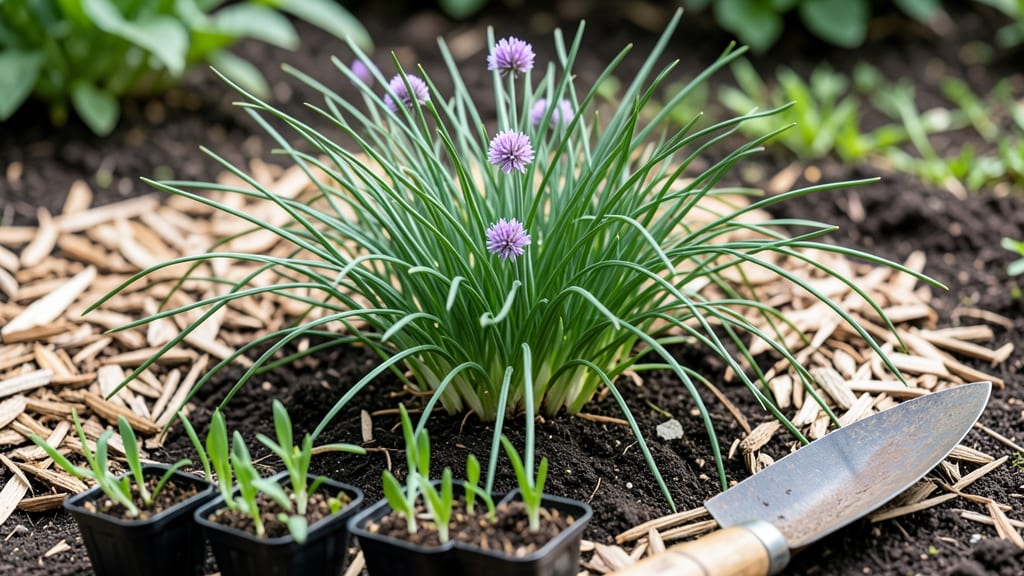
Planting chives in Texas isn't just about timing—it's about outsmarting the heat and avoiding those unpredictable frosts that can turn your garden into a game of chance.
Whether you're in North Texas or down in the Rio Grande Valley, getting the window right means the difference between snipping fresh chives all year or watching them bolt before you even taste them.
I've learned the hard way that fall planting is your golden ticket for Texas gardeners—start in September or October, and your chives will establish roots before winter chill sets in. But spring planting?
That's where many gardeners trip up, especially if they wait too late and end up with wilted plants by summer. Let me show you the exact month-by-month breakdown that works for your region.
What if I told you that with just a few adjustments—like mulching or choosing the right spot—you could keep chives producing year-round, even in Zone 10a+? The secret lies in understanding how Texas's variable climate affects chives differently whether you're in Dallas or Houston.
I'll walk you through the best strategies to make your chives thrive, no matter where you're growing them.
From deciding between seeds and transplants to avoiding common pitfalls like overwatering in summer, this guide cuts through the guesswork.
Whether you're a seasoned gardener or just starting, you'll leave here knowing exactly when to plant your 🌿 chives for a harvest that lasts—and how to keep them happy through Texas's wild swings from frost to 100-degree heat.
Texas chive planting calendar: best fall vs spring dates by region
Texas gardeners know timing is everything—plant chives too early, and they’ll bolt in the heat; too late, and winter frosts may stunt growth. Mastering the perfect fall vs. spring planting window ensures fresh snips for months, not weeks.
Chives thrive in USDA zones 8a-11, but Texas’ diverse climate demands region-specific strategies. Let’s break down the best planting windows for North, Central, and South Texas to maximize your harvest.
Chives are hardy perennials that prefer cool to moderate temperatures, making them ideal for fall and spring planting. In Texas, fall planting (4-6 weeks before first frost) gives chives time to establish roots before winter, while spring planting (after last frost) avoids summer bolting.
However, Texas’ variable frost dates mean your planting window shifts dramatically from El Paso to Houston.
Here’s how to align your chive planting with Texas’ three distinct regions, accounting for last frost dates, soil temperatures, and heat tolerance. Use this comparison to pick the best window for your location:
| Region | Fall Planting Window | Spring Planting Window | Last Frost Date | Soil Temp for Germination |
|---|---|---|---|---|
| North Texas (e.g., Dallas, Fort Worth) | September 15 - October 15 | February 15 - March 15 | February 15 | 55-65°F |
| Central Texas (e.g., Austin, San Antonio) | September 1 - October 10 | February 1 - March 10 | January 31 | 55-65°F |
| South Texas (e.g., Houston, Corpus Christi) | August 15 - September 15 | January 15 - February 15 | January 1 | 60-70°F |
| West Texas (e.g., El Paso, Lubbock) | September 1 - October 1 | March 1 - March 15 | March 1 | 50-60°F |
For North Texas, where frosts linger until mid-February, aim to plant chives by mid-October for fall harvests. In Central Texas, you have a slightly longer window—plant by early October to avoid winter stress.
Meanwhile, South Texas gardeners can start as early as mid-August due to milder winters, but avoid planting too early or chives may bolt in the heat.
Spring planting in Texas requires patience. Wait until after the last frost date (typically mid-February in North Texas and mid-January in South Texas) to transplant chives. Use seed-starting trays indoors in late winter if you’re eager to get a head start.
Harden off seedlings for 7-10 days before transplanting to avoid shock, especially in El Paso’s dry climate.
Soil temperature is critical for chive germination. Chives need soil that’s at least 55°F for North and Central Texas, but 60-70°F works best in South Texas’s warmer zones. Use a soil thermometer to check—planting too early in cold soil delays growth.
If your soil is too cool, wait 1-2 weeks or use black plastic mulch to warm it faster.
Pro tip: Succession planting in Texas extends your chive harvest. In fall, plant every 2-3 weeks from August through October for a staggered harvest. In spring, repeat the process from January to March to ensure continuous snips.
This works especially well in Houston’s long growing season, where chives can thrive year-round with proper care.
In El Paso and West Texas, where winters are colder, focus on fall planting and protect chives with straw mulch or a cloche during hard freezes. Spring planting in these areas should wait until March to avoid late frosts.
Meanwhile, South Texas gardeners can enjoy year-round chives with minimal protection, thanks to the region’s mild winters.
Remember, chives are perennial in Texas, meaning they’ll return year after year if cared for properly. With the right planting window, you’ll enjoy fresh
How to extend chive harvests year-round in Texas heat
Texas heat can turn chives from a flavorful staple into a wilting disappointment if you don’t plan ahead. The key to year-round harvests? A mix of smart planting windows and protective strategies that shield your plants from both frost and scorching sun.
I’ve found that chives planted in late summer or early fall establish strong roots before winter, while spring plantings need extra care to avoid bolting by July.
Fall-planted chives are your best bet for winter survival—they’ll produce tender leaves even when temperatures dip. But spring plantings? That’s where most Texas gardeners struggle, especially in Zone 9 and above.
The trick is to time your spring planting just right and pair it with shade solutions to keep leaves crisp. Let me walk you through the exact steps to make this work.
Plant in September-October for winter harvests
Chives planted 4-6 weeks before first frost (e.g., early October in Dallas) establish roots before cold sets in. Use mulch (2-3 inches of straw) to insulate roots during 20-30°F nights.
Spring planting? Use shade cloth (30-50%) to prevent bolting
Plant in February-March (after last frost) and cover with light shade during 100°F+ days. Remove cloth by late afternoon to allow 6+ hours of sun for growth.
Succession plant every 6-8 weeks for continuous harvests
Sow new seeds in August, October, and February to replace spent plants. This ensures fresh chives every 8-10 weeks, even in Zone 10a+.
Water deeply 2x/week in summer; reduce to weekly in winter
Use drip irrigation to keep soil 2-3 inches moist. Avoid overhead watering to prevent fungal diseases in humid Texas summers.
Mulching is non-negotiable for Texas chives. A 2-3 inch layer of straw or shredded leaves keeps roots cool in summer and insulated in winter. I’ve seen chives survive -5°F nights with proper mulch—something unheard of without it.
For containers or urban gardens, use black plastic mulch to absorb heat and protect roots from temperature swings.
Shade isn’t just for summer—it’s also your secret weapon against spring bolting. If your chives start sending up flower stalks by May, they’re telling you it’s too hot. Install removable shade cloth (30-50% shade) over your beds during peak afternoon sun.
This keeps leaves tender and flavorful while still allowing enough light for growth. Pro tip: Pair shade cloth with morning watering to reduce stress.
Don’t forget about succession planting. Even with perfect timing, chives won’t produce forever. Every 6-8 weeks, sow a new batch in August, October, or February to keep your supply fresh.
This works especially well in South Texas (Zone 10a), where you can harvest chives year-round with staggered plantings. Just remember: never let soil dry out completely between plantings.
With these strategies, you’ll go from struggling with bolting chives to enjoying fresh snips for soups and salads no matter the season. The best part? These same techniques work for other heat-sensitive herbs like cilantro and parsley. Happy growing—and may your chives never bolt! 🌿