
Plants
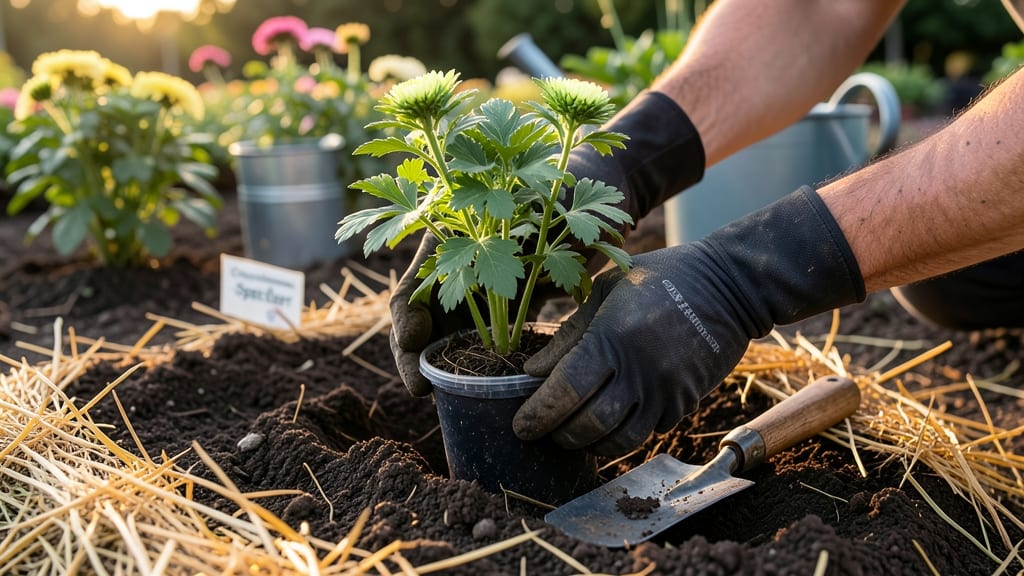
Planting chrysanthemums in the fall isn’t just about timing—it’s about giving your 🌼 the 8-week head start they need to thrive before winter. Skip this window, and you’ll risk weak roots or frost damage before blooming season.
Whether you’re working with seeds, cuttings, or mature plants, the key is planting 4-6 weeks before your first frost—a rule that works perfectly in USDA Zone 6a (like mine!) and beyond.
Fall planting is a game-changer for chrysanthemums because cooler temperatures encourage strong root growth without the stress of summer heat. But here’s the catch: your exact planting date depends on your local climate.
Too early, and your plants might bolt; too late, and they won’t establish before the cold sets in. I’ll break down the zone-specific deadlines so you can plant with confidence—no guesswork required.
Once you’ve nailed the timing, the next steps—soil prep, mulching, and post-planting care—make all the difference. Think of it like setting up your chrysanthemums for success: the right conditions now mean vibrant blooms next spring.
Let’s dive into the exact steps to turn your fall planting into a year-round win.
From adjusting for your region to avoiding common pitfalls, this guide covers everything you need to know. Whether you’re a seasoned gardener or just starting with chrysanthemums, you’ll leave here with a clear plan to plant like a pro. Ready to get those roots growing?
The 8-Week pre-frost rule: exact fall planting timeline by USDA Zone
Fall-planted chrysanthemums thrive when given 8 weeks before first frost to establish roots. This science-backed window ensures strong growth and vibrant blooms next season. The USDA Zone determines your exact planting deadline—miss it, and you risk frost damage or weak plants.
Chrysanthemums need 4-6 weeks of root development before winter dormancy. In cooler zones (3-6), start planting as early as late August, while warmer zones (7-10) can wait until mid-October. Use your local frost date as the anchor point for calculations.
Here’s the exact timeline by zone, including planting windows and frost risk calculations. Adjust for early or late frost years by checking your local weather trends.
Use this table to pinpoint your last planting date by subtracting 8 weeks
Climate-specific adjustments: how temperature affects chrysanthemum root growth
Chrysanthemums thrive in cooler fall temperatures, but soil temperature—not just air temperature—dictates how quickly their roots establish. In Zones 3-6, where winters arrive earlier, you’ll need to plant 6-8 weeks before frost to give roots time to harden.
Meanwhile, Zones 7-10 can wait until 4-6 weeks pre-frost because milder winters allow slower root growth.
Soil temperature below 50°F (10°C) stalls root development, while ideal root zone temps range between 60-70°F (15-21°C). If your soil cools too quickly, roots won’t anchor before winter, leading to frost-heaved plants or poor blooms next season. Use a soil thermometer to monitor—this small tool saves you from guessing.
Cooler climates (Zones 3-6) require earlier planting because shorter growing seasons mean less time for roots to mature. In Zone 4, for example, aim to plant by late August to ensure roots reach 6 inches deep before frost. Warmer zones like Zone 8 can wait until mid-October because soil stays warmer longer.
To adjust for your climate, test soil temperature at 6-inch depth (where most roots form). If it’s below 60°F (15°C), delay planting or use black plastic mulch to warm the soil by 5-10°F.
In Zones 9-10, where winters are mild, you can plant as late as November, but roots may not establish as deeply before winter.
Pro tip: Container-grown chrysanthemums adapt better to temperature swings because their roots stay warmer. If you’re in Zone 5 or colder, opt for potted plants and bury containers in straw mulch to insulate roots. This trick extends your planting window by 2-3 weeks in marginal climates.
Remember, root depth correlates directly with winter survival. Chrysanthemums with roots 8+ inches deep handle frost better than shallow-rooted plants. If your soil is sandy or rocky, amend it with compost to improve moisture retention and root penetration. Healthy roots = happy blooms next season!