
Companion Plants
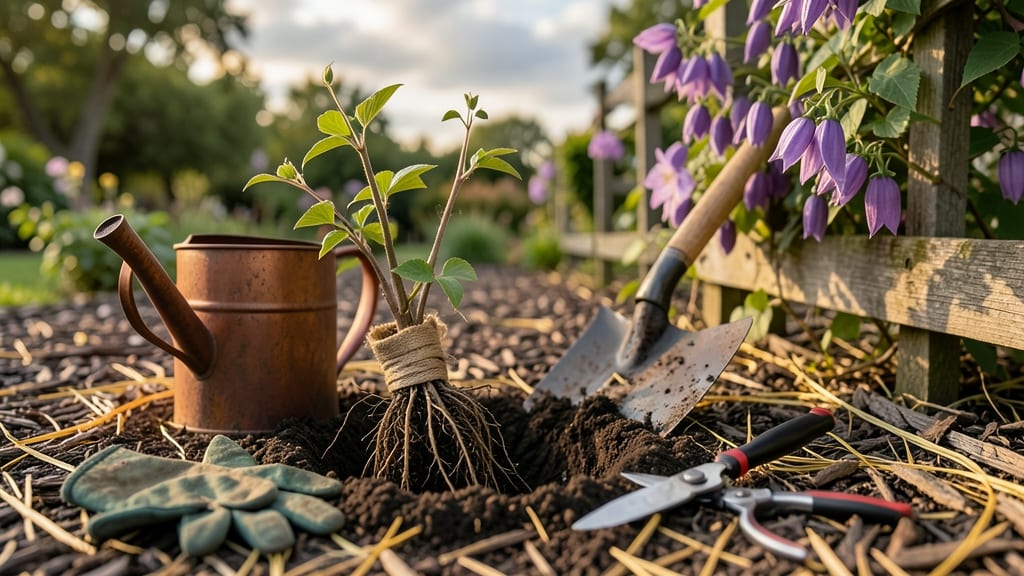
Planting your clematis at the wrong time in Ohio could mean struggling with frost damage or stunted growth—so getting the timing right is the key to those stunning 🌸 blooms you’re dreaming of.
With Ohio’s USDA Zone 6a climate, you’ve got two prime windows to plant: early spring or fall. But here’s the catch—spring planting means racing against those unpredictable frosts, while fall gives your clematis a head start before winter.
I’ll break down the exact months to aim for, plus how to adjust for your local frost dates.
Whether you’re planting bare-root vines or container-grown clematis, the right timing can make all the difference. You’ll learn how to check soil temperatures, when to mulch, and even how to protect your plants if an unexpected frost sneaks in.
Let’s get your clematis off to the best start possible—so you can enjoy those show-stopping flowers from summer right through early fall.
Ohio’s best planting months for clematis by hardiness Zone
Ohio’s USDA zones 5-6 create unique challenges for clematis lovers—spring frosts can linger until mid-April in northern areas, while southern Ohio may see earlier warm spells. Timing your planting to match these regional variations ensures your vines establish roots before summer heat arrives.
I’ve planted clematis in both Columbus (Zone 6a) and Cincinnati (Zone 6b), and the difference in frost timing is critical for success.
For most of Ohio, the ideal planting window spans March through May, with fall planting (September-October) as a secondary option. However, early bloomers like ‘Jackmanii’ need slightly different timing than late-season varieties like ‘Niobe’.
Let’s break down the best months for each zone and variety to maximize your clematis’ potential.
🌱 Key Insight: Ohio’s last frost dates vary by 2-3 weeks across the state. Use your local NOAA frost calendar to pinpoint your exact window—Columbus typically sees its last frost around April 15, while Toledo may wait until May 1.
| Zone | Best Planting Months | Soil Temp | Frost Risk | Variety Tips |
|---|---|---|---|---|
| 5 (Northern OH) | Late April–May | 50–55°F | High (wait for soil thaw) | Early bloomers only |
| 6a (Columbus) | March–April | 45–50°F | Moderate (cover roots) | All varieties |
| 6b (Cincinnati) | February–March | 40–45°F | Low (earlier frost-free) | Late bloomers preferred |
| Fall Planting | September–October | 55–60°F | None (establish roots before freeze) | Bare-root only |
In Zone 5 (think Toledo or Akron), you’ll want to wait until late April or early May to plant clematis. The soil needs to reach at least 50°F for roots to establish properly, and frost dates can still occur through May.
I’ve seen newly planted clematis in Zone 5 suffer when planted too early—always check your local Almanac frost dates before digging.
For Zone 6a (Columbus), the window opens earlier—March through April is ideal. This gives your clematis 6-8 weeks of root growth before summer heat arrives. If you’re planting bare-root clematis, soak the roots for 4-6 hours before planting to reduce transplant shock.
Pro tip: Mix compost into the planting hole to improve drainage and fertility.
🌿 Regional Tip: Cincinnati gardeners in Zone 6b can plant as early as February for late bloomers like ‘The President’. These varieties thrive with earlier planting because they focus energy on root development rather than immediate flowering. However, avoid planting early bloomers before March—they’ll need that spring flush to produce flowers.
Fall planting in Ohio offers a second chance for gardeners who miss the spring window. Aim for September through October, giving roots time to establish before winter.
The key is planting when soil temps are still 55–60°F—this typically means mid-September in southern Ohio and early October in northern areas. Always mulch heavily (3-4 inches) to protect roots from freeze-thaw cycles.
One mistake I see often is planting clematis too deep. The crown (where stems meet roots) should sit 4-6 inches below soil level to protect it from winter freeze. If planted too shallow, heaving (soil pushing roots up) can damage the plant.
Pair this with a support trellis installed before planting—clematis vines grow fast and need sturdy support from day one.
For container-grown clematis, the rules shift slightly. You can plant anytime soil isn’t frozen
How to time clematis planting for Ohio’s frost-free window
Ohio’s unpredictable spring frosts can turn a promising clematis planting into a sad, frozen disappointment. These stunning vines need precise timing to establish roots before summer heat arrives. The key?
Planting when soil temperatures stay above 40°F (4°C) consistently, which typically aligns with Ohio’s last average frost date—usually mid-April but varying by USDA zone and microclimate.
For Ohio gardeners, early spring (March–April) and fall (September–October) are the two safest windows. Spring planting gives vines time to root before summer, while fall planting allows roots to establish before winter dormancy.
But timing isn’t one-size-fits-all—container-grown clematis and bare-root plants have different needs, and a late frost can derail even the best-laid plans.
⚠️ callout warning
Start by checking your local last frost date using the NOAA Climate Data Portal (search your county). For example, Columbus (Zone 6a) averages its last frost around April 15, while Cincinnati (Zone 6b) may see frost as late as April 25.
Adjust for elevations or urban heat islands—mountainous areas like Athens (Zone 6b) often frost later.
For container-grown clematis, you have more flexibility—plant as soon as soil is workable (45°F/7°C) and harden off plants gradually if started indoors. Bare-root clematis, however, demand patience: soak roots for 2–4 hours before planting, then wait until soil is 50°F (10°C) to minimize shock.
Bury the crown 4–6 inches deep to protect it from temperature swings.
Mulching is non-negotiable in Ohio’s volatile spring weather. Apply 3–4 inches of organic mulch (straw or shredded leaves) after planting to insulate roots. For extra protection, use frost blankets on young plants if a late frost warning appears.
Water deeply before cold snaps to help roots withstand 28°F (-2°C) temperatures—just don’t overwater, as soggy soil freezes harder.
If frost strikes after planting, act fast: cover vines with burlap or frost cloth and water the soil to release heat. Avoid plastic sheets—trapped moisture can burn tender shoots. Monitor your clematis for wilting or brown stems post-frost; if damaged, prune back to healthy growth in early spring.
With the right timing and precautions, your clematis will reward you with summer blooms that rival a botanical garden.