
Plants
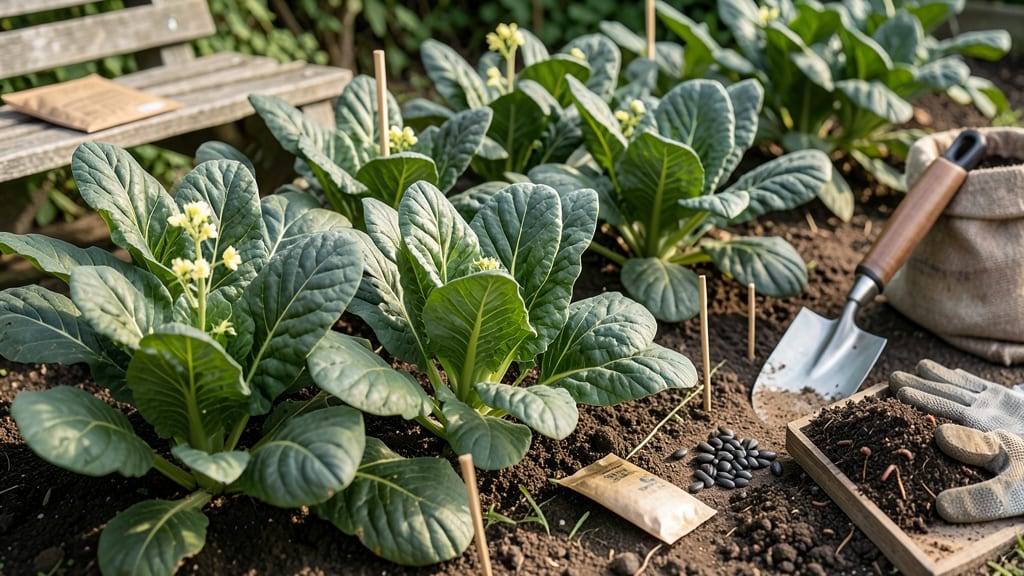
Timing your collard 🌱 seeds just right in North Carolina can mean the difference between tender, flavorful greens and bitter, stunted plants—especially when your county’s heat zone plays a bigger role than you’d expect.
As a cool-season crop, collards thrive when soil temperatures hover between 50°F and 85°F, but planting too early risks frost damage while waiting too long can lead to bolting.
The key is knowing your local frost dates and microclimates—whether you’re in the coastal plains or the mountain regions—to lock in that perfect 60- to 90-day growing window.
I’ve grown collards across NC’s varied zones, and the best planting windows shift dramatically from March to early April in the southern coast to late April to May in the higher elevations.
Even a week’s difference can impact your harvest, so let’s break down the exact timing for your county’s heat zone.
You’ll also discover how to extend your growing season with simple tricks—like using row covers or choosing the right varieties—that keep your collard patch producing well into fall. Ready to master the timing?
North Carolina heat zones: best planting dates by county for collard seeds
North Carolina’s diverse climate—from the coastal plains to the mountain regions—creates wildly different planting windows for collard seeds. These cool-season crops thrive when temperatures hover between 60°F and 75°F, making timing everything.
Plant too early, and frost will kill tender seedlings; too late, and summer heat sends them bolting. I’ve broken down the best planting dates by NC’s 10 USDA heat zones, so you can harvest sweet, tender collards all season.
Collards are a biennial plant that behaves like an annual in NC’s climate. They prefer direct sowing in early spring or late summer for fall harvests. Coastal areas like Carteret County have earlier frost dates (mid-October) than mountain counties like Haywood County (late November).
Adjust your schedule based on your last frost date—aim to plant 4-6 weeks before the first expected frost for a fall crop.
Here’s the key: Soil temperature matters more than air temperature. Collard seeds need soil that’s at least 50°F to germinate. In Zone 8a (coastal), that’s late February; in Zone 6b (mountains), it’s early May.
Use a soil thermometer to check—if it’s cooler, wait or use row covers to protect seedlings.
| Heat Zone | County Examples | Spring Planting Window | Fall Planting Window | Frost-Free Days |
|---|---|---|---|---|
| 8a (Coastal) | Carteret, Craven, Pamlico | Late Feb–March | August–September | 240–270 days |
| 8b (Piedmont) | Wake, Durham, Forsyth | Mid-March–April | Late July–August | 200–230 days |
| 7b (Mountains) | Ashe, Haywood, Jackson | Late April–May | June–July | 150–180 days |
| 7a (Transition) | Chatham, Orange, Guilford | Early April–May | Late July–August | 180–210 days |
| 6b (High Mountains) | Mitchell, Yancey, Avery | May–June | Not recommended | 120–150 days |
Note: Adjust dates 1–2 weeks earlier for urban areas (heat islands) or 1–2 weeks later for rural high-elevation spots.
For Zone 8a counties like Carteret, I recommend starting seeds indoors in late January for transplants by mid-February. Coastal areas have longer growing seasons, so you can even squeeze in a third planting in early October for a late-fall harvest.
Use black plastic mulch to warm the soil faster if your spring is slow.
In Piedmont zones (7b–8b), like Wake or Durham, focus on two plantings: early spring (March) and late summer (August). These zones have hotter summers, so provide shade cloth during peak heat to prevent bolting.
If you’re in Zone 7a (Chatham County), aim for April 15–May 1—this gives collards time
How to adjust planting times for collards in NC’s changing climate
North Carolina’s climate is shifting faster than ever, with unpredictable frost dates and longer heat waves throwing off traditional planting schedules. If you’ve ever watched your collard seedlings bolt in summer heat or freeze in early spring, you know how critical timing is.
The key? Flexibility—adjusting your calendar based on real-time conditions rather than relying on outdated averages.
Urban gardens in Raleigh might face 10°F warmer microclimates than rural farms in the mountains, while coastal areas like Wilmington can experience earlier last frosts by weeks. These variations mean your planting window could shift by 30 days or more from what old gardening guides suggest.
The good news? With a few smart strategies, you can extend your collard harvest and protect your investment from climate whiplash.
⚠️ callout warning ⚠️
Don’t assume your last spring frost will hit April 15—some counties now see frost-free dates 2-3 weeks earlier. Check your local CoCoRaHS station or NC State Extension alerts for real-time updates. For example, Asheville’s average last frost has moved from April 5 to March 25 in the past decade.
Action Tip: Plant collard seeds in late February in Zone 7b (Piedmont) if soil temps stay above 40°F—but cover seedlings with frost cloth if nights dip below 28°F.
Start by monitoring soil temperatures—collards thrive when soil reaches 50°F+, but seeds won’t germinate below 40°F. Use a soil thermometer to avoid planting too early.
In Zone 8a (coastal NC), where summers are humid, I’ve had success sowing seeds in September for a fall harvest, but I always test soil temps first. If your area’s summer heat exceeds 90°F for weeks, opt for shade cloth or drip irrigation to keep leaves tender.
Microclimates are your secret weapon. A south-facing urban garden might be 5°F warmer than a shaded rural plot just a mile away. Use this to your advantage: plant collard transplants in urban areas 2 weeks earlier than rural sites.
For example, in Charlotte (Zone 8a), I plant transplants in early March near brick walls but wait until mid-April in open fields. Always scout your space for sun exposure patterns—even a 10-foot difference can mean the difference between bolting and bumper crops.
Drought is another wild card. Collards need consistent moisture, but prolonged dry spells can stunt growth. If your forecast shows less than 1 inch of rain for 2 weeks, delay planting until rains return or install mulch rings to retain soil moisture.
In dry years, I’ve shifted my fall planting to late August instead of September to avoid summer’s heat stress. Pair this with drip irrigation set to run early morning to prevent fungal issues.
Finally, choose heat-tolerant varieties like ‘Georgia Southern’ or ‘Top Bunch’ to give yourself a buffer. These varieties handle short heat waves better than traditional types. Pair them with succession planting: sow new seeds every 2 weeks from spring to early summer to ensure a steady supply.
With these adjustments, you’ll turn NC’s climate chaos into a collard-growing advantage—not a liability.