
Plants
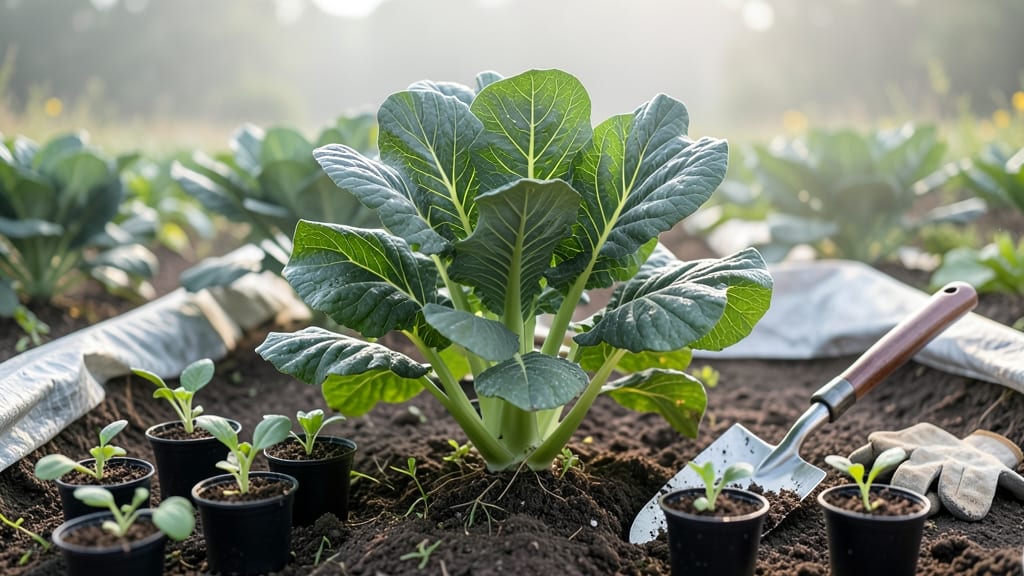
Planting collards in Georgia at the wrong time means sacrificing crisp, flavorful harvests to either frost or summer heat. The key to fast, healthy growth lies in knowing the perfect frost-free window—and it’s not the same for every region of the state.
With Georgia’s 7b-8b climate zones, your collards 🥬 can thrive in two seasons: spring and fall. But timing matters—plant too early, and a late frost will wipe out your crop; too late, and summer’s scorching heat turns leaves bitter.
I’ll break down the ideal planting windows for your specific zone, plus pro tips to extend your harvest season.
Whether you’re a first-time gardener or a seasoned grower, these strategies will help you avoid common mistakes and maximize your yield. From soil prep to succession planting, I’ve got you covered with actionable steps to grow collards that taste like they came straight from a Georgia farmstand.
Ready to grow collards that stay fresh and sweet all season? Let’s get started with the planting schedule that works for your corner of Georgia—no guesswork required.
Georgia’s ideal collard planting windows by region (frost dates & heat zones)
Collards thrive in Georgia’s climate, but timing determines whether you get a bountiful harvest or bitter disappointment. The state’s three distinct regions—North, Central, and South—each have unique frost dates and heat thresholds that affect when you should plant.
Understanding these planting windows ensures your collards grow strong and sweet, not stressed and stunted.
In North Georgia (Zone 7a), where winters are colder and frost lingers longer, your planting window is narrower. Meanwhile, South Georgia (Zone 8a-9a) enjoys milder winters, allowing for extended fall planting. Central Georgia (Zone 7b-8a) falls in between, offering flexibility for both spring and fall crops.
For all regions, spring planting should occur 4-6 weeks before your last expected frost date, while fall planting should happen 60-75 days before the first frost. This timing ensures your collards mature before extreme heat or cold sets in, giving you the best chance for a long, productive harvest.
Here’s a detailed breakdown of the optimal planting windows for each region, including frost dates, heat tolerance thresholds, and the best months to sow seeds or transplant seedlings.
🌱
| Region | USDA Zone | Last Frost Date | First Frost Date | Spring Planting Window | Fall Planting Window | Heat Tolerance Threshold |
|---|---|---|---|---|---|---|
| North Georgia | 7a | March 15 | November 1 | Late February - Early April | August 1 - September 15 | Up to 90°F |
| Central Georgia | 7b-8a | March 1 | November 15 | Late February - Mid-April | July 30 - September 30 | Up to 95°F |
| South Georgia | 8a-9a | February 28 | December 1 | Early March - Early April | August 15 - October 15 | Up to 100°F |
In North Georgia, where frost can linger until mid-March, aim to plant collards between late February and early April for a spring harvest. For fall, sow seeds between August 1 and September 15 to ensure they mature before the first frost in early November.
This region’s lower heat tolerance means collards may struggle if temperatures exceed 90°F for extended periods.
For Central Georgia, you have a slightly longer window to work with. Start planting in late February and continue through mid-April for spring crops.
In the fall, you can extend your planting until the end of September, taking advantage of the region’s ability to handle slightly higher temperatures—up to 95°F. This flexibility makes Central Georgia ideal for succession planting and multiple harvests.
If you’re gardening in South Georgia, you’re in luck! The milder winters allow for earlier spring planting starting in early March, and you can push fall planting as late as mid-October.
South Georgia’s high heat tolerance (up to 100°F) means collards can thrive even in the hottest months, though they may become slightly bitter if exposed to prolonged heat stress.
To maximize your yield, consider succession planting every 2-3 weeks within these windows. This ensures a steady supply of fresh collards throughout the growing season.
For example, in Central Georgia, you could plant one batch in late February, another in early April, and a final batch in late August for a fall harvest.
Always monitor local weather forecasts and adjust your planting schedule accordingly. A late frost or unexpected heatwave can shift your planting window, so stay flexible. With the right timing, your collards will grow lush, flavorful, and ready for harvest in no time!
How to extend your collard harvest season in Georgia (succession planting & cold frames)
Georgia’s mild winters and long growing season let you enjoy collards year-round with the right strategies. The key? Succession planting and season-extending tools like cold frames and row covers. These tactics protect your crop from late frosts and summer heat, ensuring a steady harvest from spring through winter.
I’ve grown collards for 10+ years in Georgia, and I’ve learned that staggered planting every 3-4 weeks keeps my garden producing. Pair that with protective covers during cold snaps, and you’ll have fresh greens on your table even in December.
Let’s break down the exact steps to make it happen.
- 1 Start with succession planting: Plant collard seeds every 3-4 weeks from late February to early September. This ensures a continuous harvest without gaps.
- 2 Use row covers for frost protection: Apply floating row covers when nighttime temps drop below 30°F. These lightweight fabrics trap heat and shield plants from light frost while allowing sunlight and water through.
- 3 Build a cold frame for winter harvests: Construct a low-tunnel cold frame using PVC pipes and clear plastic. Place it over your latest collard planting in October to extend harvests until February.
- 4 Choose heat-tolerant varieties: Opt for ‘Georgia Southern’ or ‘Top Bunch’ collards, which handle summer heat better than standard types. These stay crisp and flavorful even when temps hit 90°F+.
- 5 Mulch heavily for winter: Apply 4-6 inches of straw mulch around collard plants in November. This insulates roots from freezing temps and retains moisture during dry winter spells.
For spring prep, start seeds indoors in January for transplanting in late February. Harden off seedlings for 1 week before moving them outside. In fall, prioritize late August plantings—these mature just in time for cool-weather harvests before winter sets in.
My biggest tip: Monitor your local frost dates (North GA’s last frost is March 15, while South GA rarely sees frost). Adjust your planting schedule accordingly—this flexibility is what keeps my collards thriving 12 months a year.
With these season-extending tricks, you’ll enjoy homegrown collards from spring through winter, no matter where you garden in Georgia. 🥬✂️🌱