
Plants
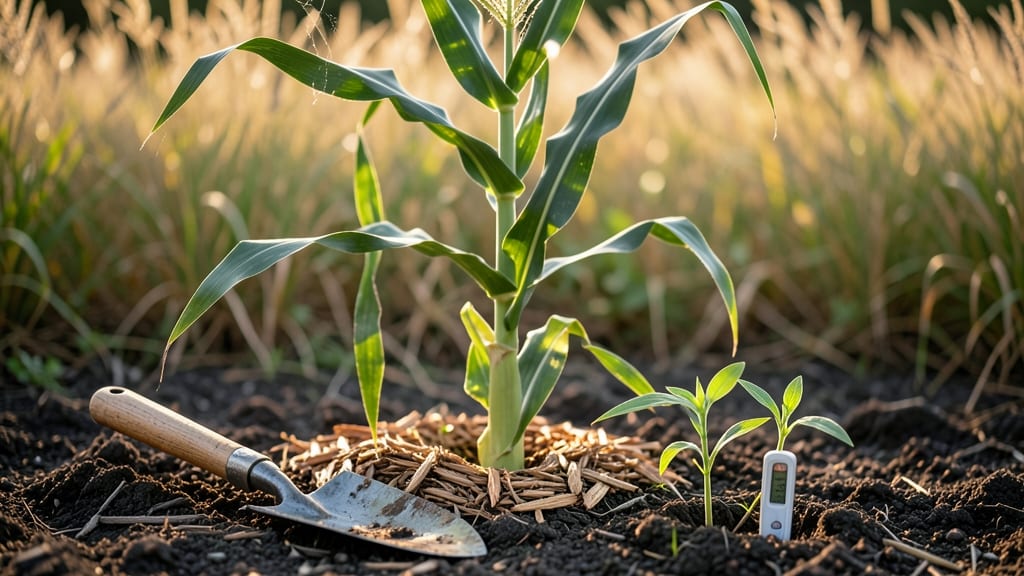
Planting corn in South Carolina at the wrong time can turn your 🌽 dreams into disappointment—frost kills tender seedlings, while late starts shrink yields.
The perfect window between April 15 and May 15 (after last frost) is your golden opportunity, but USDA Zones 7b and 8a have subtle differences that matter.
Why does timing matter so much? Corn thrives when soil temperatures hit 60°F—too early, and cold soil stunts growth; too late, and you miss peak harvest months. I’ll break down exactly when to plant in your specific zone, plus how to adjust for South Carolina’s unpredictable spring weather.
Most gardeners make one of three common mistakes that ruin their corn crop—planting too deep, ignoring soil prep, or skipping succession plantings. I’ve tested these strategies myself in Zone 7b and 8a, and the results speak for themselves: better germination, stronger stalks, and ears packed with sweet kernels.
Ready to grow corn like a pro? You’ll leave here knowing exactly when to drop those seeds, which varieties perform best in your neck of the woods, and how to troubleshoot if Mother Nature throws you a curveball. Let’s get started.
Optimal corn planting dates by South Carolina USDA zones (7b vs 8a)
South Carolina’s USDA Zones 7b and 8a create distinct planting windows for corn, where timing directly impacts yield and disease resistance. In Zone 7b (Piedmont region), cooler springs demand earlier starts, while Zone 8a (coastal areas) allows later plantings.
Both zones share critical thresholds: soil temperatures above 50°F and frost-free dates (typically mid-April in Zone 7b, late March in Zone 8a).
Corn thrives when planted after the last frost but before soil temperatures exceed 85°F, which stresses seedlings.
For sweet corn, this means a 4-6 week window between mid-April and mid-May in Zone 7b, while Zone 8a gardeners can extend planting until early June. Field corn and popcorn varieties tolerate slightly later starts but still require 90 days to maturity before the first frost.
The comparison table below breaks down exact planting dates, soil prep needs, and variety recommendations for each zone. Use this as your guide to avoid early frost damage or heat stress that stunts growth.
For Zone 7b gardeners, prioritize early-maturing varieties (60–75 days to harvest) to avoid fall frosts. Start seeds indoors 4–6 weeks before the last frost if using transplants, but direct sowing is easier for corn.
In Zone 8a, you can push the envelope with late plantings (June 1) for fall harvests, but ensure consistent moisture during summer’s heat.
Soil preparation is critical: Corn loves well-draining, fertile soil with a pH of 6.0–6.8. Work in 2–3 inches of compost before planting and side-dress with nitrogen-rich fertilizer when plants reach knee height.
In Zone 7b, test soil in early spring—cool, wet conditions can delay planting. In Zone 8a, focus on mulching to retain moisture during hot, dry spells.
Watch for soil temperature fluctuations, which can stall germination. Use a soil thermometer to confirm readings of 60°F+ before planting. If temperatures dip below 50°F, cover seeds with black plastic mulch to warm the soil faster.
This trick works especially well in Zone 7b, where mornings can still be chilly in April.
Succession planting is key to maximizing your harvest. In Zone 7b, plant three successive batches (April 15, May 1, May 15) to stagger maturity. In Zone 8a, extend this to four plantings (April 1, April 15, May 1, May 15) for a longer harvest window.
This strategy ensures you’re always picking fresh ears and reduces waste from overproduction.
Don’t overlook pest and disease pressure, which varies by zone. Zone 7b faces higher
How to adjust planting for South Carolina’s microclimates and weather patterns
South Carolina’s diverse microclimates mean coastal areas in Zone 8a enjoy longer growing seasons, while the Piedmont’s Zone 7b faces earlier frosts. Adjust your corn planting timeline and variety choices to match these conditions.
Coastal gardeners can push late-season plantings, but Upstate growers must act faster to avoid fall frosts.
For coastal SC (Zone 8a), extend your planting window until mid-May thanks to milder winters. Choose heat-tolerant varieties like 'Silver Queen' or 'Peaches and Cream' for summer planting. The humidity here demands well-drained soil to prevent fungal diseases like corn smut.
In the Piedmont (Zone 7b), focus on early April plantings to avoid late spring frosts. Varieties like 'Bodacious' mature faster (65 days) and handle shorter seasons. Upstate gardeners should prioritize drought-resistant hybrids due to lower summer rainfall.
🌽 Key Takeaway: SC Microclimate Planting Adjustments
- ⏰ Plant until mid-May
- 🌡️ Soil temp: 60°F+
- 💧 Drainage critical
- ⏰ Plant by late April
- 🌾 Fast varieties (65 days)
- ☀️ Full sun essential
- 💧 Drought-tolerant seeds
- 🌱 Succession plant every 2 weeks
- 🌡️ Avoid late July heat stress
🌱 Pro Tip: Test soil moisture weekly—Upstate areas need 25% more water than coastal zones during summer.
Upstate gardeners should consider succession planting every 2 weeks from April through June to extend harvests. Use black plastic mulch to warm soil faster in cooler zones. For all regions, avoid planting after July 1st—late corn struggles with drought stress and ear rot risks.
Heat waves hit Zone 8a hardest in August. If planting late, choose short-season varieties like 'Early Sunglow' (70 days) and provide shade cloth during peak heat. Mulch heavily to retain moisture. In Zone 7b, focus on soil preparation—add compost to improve water retention before planting.
Monitor local weather patterns closely. Coastal areas may experience hurricane delays in June, while Upstate faces unpredictable late frosts. Use row covers for early plantings in Zone 7b to protect young shoots. For all regions, harvest within 30 days of silk browning to ensure peak sweetness.