
Plants
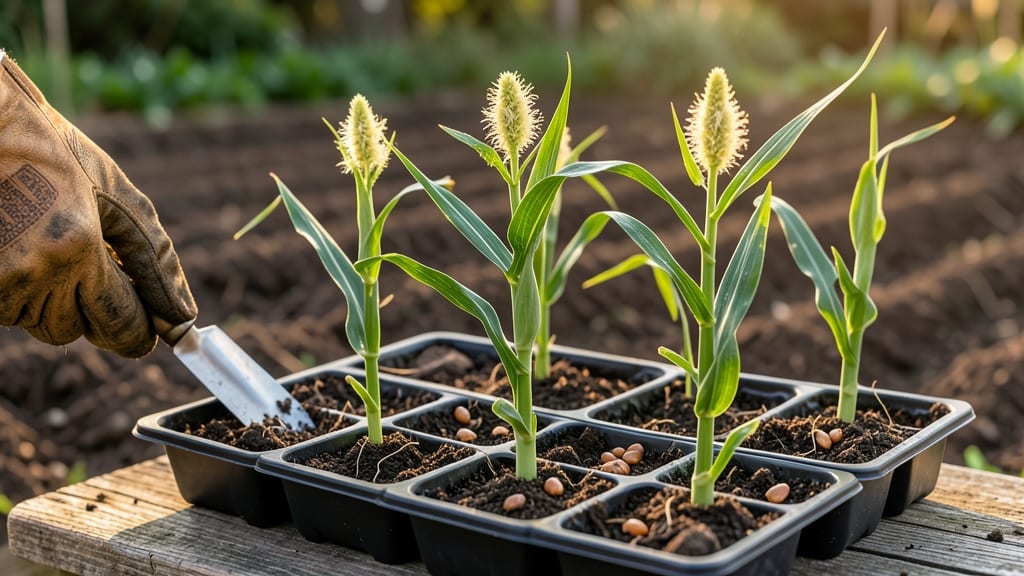
Planting corn in Zone 5 at the wrong time can mean the difference between a fast-growing harvest and struggling seedlings that never take off. The key isn't just checking the calendar—it's waiting for that perfect moment when soil temperatures hit 60°F+ and frost risks fade.
In Zone 5, where mid-May often marks the last frost, corn (🌽) thrives when planted between mid-April and mid-May. But rushing too early can leave seeds sitting in cold soil, while waiting too long risks cutting your growing season short.
Let me show you exactly how to time it right for your garden.
Most gardeners focus on dates, but the real secret is soil warmth. Corn seeds need consistently warm soil to germinate quickly, and testing with a simple thermometer can save you from weeks of waiting.
I’ll share my foolproof method for checking soil temps and adjusting your planting schedule based on your local microclimate.
Whether you're growing sweet corn for summer meals or dent corn for fall storage, getting the timing right ensures your plants grow faster and produce bigger ears. Let’s dive into the exact steps to plant corn at the perfect moment in Zone 5.
Ideal soil temperature for planting corn in Zone 5
Corn seeds need warm soil to germinate quickly, and in Zone 5, that means waiting for temperatures to climb above 50°F (10°C). Planting too early in cold soil leads to slow germination, rot, or seedlings that struggle to emerge.
The sweet spot for corn is 60°F (15°C) or warmer, where seeds sprout in just 7–10 days instead of weeks.
Soil temperature varies dramatically across Zone 5—early areas like western Michigan may hit ideal temps by late April, while northern regions like Upstate New York often wait until mid-May. Always check your local last frost date and adjust planting times accordingly.
Here’s how to test your soil’s warmth: Use a soil thermometer (available for $10–$15) and measure 2–3 inches deep, where seeds will be planted. If the reading is below 55°F (13°C), wait a few more days—corn won’t tolerate cold soil.
Cold soil also increases the risk of seedling rot and fungal diseases. If you’re eager to plant early, use black plastic mulch or row covers to warm the soil by 5–10°F. These tricks help extend your growing season but don’t replace proper soil temperature checks.
Regional adjustments matter: In southern Zone 5 (e.g., Ohio, Indiana), you might start planting by April 15, while northern Zone 5 (e.g., Minnesota, Maine) often waits until May 1 or later. Always align planting with your area’s historical frost data.
| Soil Temp Range (°F) | Germination Speed | Risk Level | Best For |
|---|---|---|---|
| Below 50°F (10°C) | Slow (3+ weeks) | High (rot, poor emergence) | Avoid planting |
| 50–55°F (10–13°C) | Moderate (2–3 weeks) | Medium (delayed growth) | Early varieties only |
| 55–60°F (13–15°C) | Good (10–14 days) | Low | Ideal for most Zone 5 |
| Above 60°F (15°C) | Fast (7–10 days) | None | Best for all varieties |
If your soil is too cold but you’re eager to plant, try starter pots indoors under grow lights. Transplant seedlings outdoors once soil warms to 60°F (15°C)—this method buys you 2–3 weeks of flexibility. Just avoid hardening off seedlings too late, or they’ll struggle with temperature shock.
Pro tip: Monitor air temperature too—corn needs 70°F+ (21°C+) daytime temps to thrive. If nights dip below 50°F (10°C) after planting, use row covers or cloche tunnels to protect young plants until they’re established.
For late Zone 5 gardeners, focus on fast-maturing varieties (e.g., ‘Early Sunglow’ (70 days)) to avoid fall frost. Plant these by June 15 at the latest to ensure harvest before first frost.
Always check seed packets for days to maturity and count backward from your area’s average frost date.
Never rush planting—slow germination or stunted growth from cold soil leads to weaker plants that yield smaller ears or poor-quality corn. Patience pays off with juicy, sweet kernels and a healthier crop overall.
🌽
Zone 5 corn planting calendar: frost dates and variety timing
Timing your corn planting in Zone 5 means balancing last frost dates with your corn variety’s maturity days. Early plantings risk frost damage, while late ones may not produce ears before fall.
The key is knowing your frost-free window—typically 165 days in Zone 5—and matching it to your corn’s needs.
For example, a 60-day variety like 'Early Sunglow' can be planted as early as late April, while a 110-day variety like 'Silver Queen' needs a mid-May start. Staggering plantings by 1-2 weeks ensures a continuous harvest and reduces the risk of losing everything to a single frost event.
- 1. Calculate last frost date: Zone 5’s average last frost is mid-May. Check your local frost-free days (165 days for Zone 5).
- 2. Choose varieties: Select 60-day (early), 90-day (mid), or 110-day (late) corn. Example: 'Ambrosia' (90 days) or 'Peaches and Cream' (110 days).
-
3. Planting windows:
- 60-day corn: Late April to early May
- 90-day corn: Mid-April to mid-May
- 110-day corn: Early to mid-May
- 4. Stagger plantings: Sow 1-2 week intervals to extend harvest. Example: Plant 'Early Sunglow' (60 days) on April 25, then 'Silver Queen' (110 days) on May 10.
- 5. Avoid late plantings: Never plant after June 15 in Zone 5—corn needs 50-60 days to mature after pollination. Late plantings risk immature ears before frost.
Use black plastic mulch or row covers to warm soil faster if you’re in a cooler part of Zone 5 (e.g., northern Michigan or upstate New York). These tricks can push your planting window 1-2 weeks earlier, giving you more flexibility for slower varieties.
Always monitor your garden’s microclimate. A south-facing bed warms up faster than a shady spot, so adjust your timing accordingly. If you’re unsure, err on the side of planting 1 week later—corn won’t germinate well in cold soil, and slow starts lead to weak plants.
Mark your calendar for October 15, the average first frost date in Zone 5. This is your harvest deadline: corn planted too late won’t reach maturity before frost, leaving you with underdeveloped ears or no harvest at all.
Pro tip: Plant a sacrificial row of fast-maturing corn (like 'Golden Bantam') in early April to test your soil’s readiness. If it thrives, you can confidently plant your main crop 2 weeks later.