
Plants
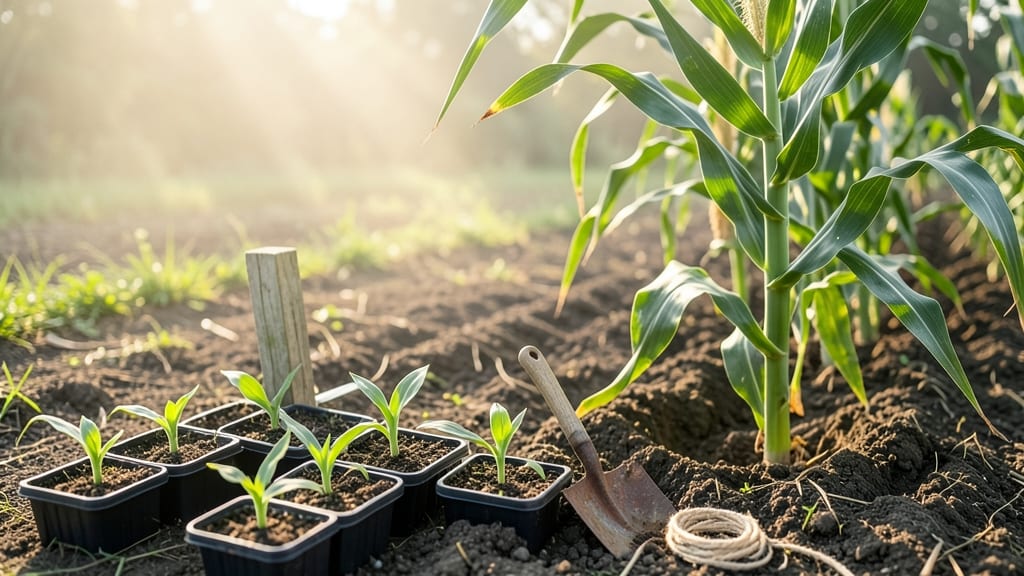
Planting corn in Zone 9 at the wrong time can leave you staring at sad, struggling seedlings instead of a towering 🌽 harvest. The secret to success? Timing it perfectly when soil temperatures hit that sweet spot for fast germination—because even a few degrees can make or break your crop.
Most gardeners in Zone 9b assume late spring is the only option, but the truth is, your corn has a better chance if you plant earlier—when those soil thermometers hit 60°F and stay there.
That usually means mid-February, not waiting until April when the heat is already cranking. Trust me, your plants will thank you.
In this guide, I’ll break down exactly when to plant corn in Zone 9 for the fastest, most reliable growth—plus how to spot those sneaky microclimates where your soil might still be too cool.
We’re talking 3-step soil checks, the best varieties for Zone 9’s heat, and even how to stretch your harvest with succession planting.
Ready to grow corn that’s tall, sweet, and ready to harvest by summer? Let’s get those seeds in the ground at the perfect moment—no more guesswork, just a bountiful harvest waiting for you.
Optimal corn planting times in Zone 9 based on soil temperature
Zone 9 gardeners often face a tricky dilemma: plant corn too early, and your seeds rot in cool soil; wait too long, and the summer heat arrives before your plants mature.
The key to success lies in understanding soil temperature thresholds—specifically, waiting until the ground consistently hits 60°F or warmer for at least 5-6 hours daily.
This usually lands in mid-February to early March, but your exact timing depends on whether you're in a coastal microclimate or inland desert heat.
Inland areas like Phoenix or Palm Springs can safely plant corn as early as late January because the soil warms faster under direct sun. Coastal regions, however, like San Diego or Santa Barbara, may need to wait until mid-March due to slower soil warming near the ocean.
Even a 5°F difference in soil temperature can delay germination by a full week—so don’t guess, measure!
Here’s the golden rule: Plant corn when your soil thermometer reads 60°F+ at a depth of 1 inch. Most gardeners in Zone 9 achieve this between February 15 and March 15, but always check your local microclimate conditions.
For example, a shady corner of your yard might stay cooler than the sunny garden bed—planting there too early can spell disaster for your seedlings.
| Planting Window | Soil Temp Requirement | Zone 9 Microclimate | Heat Tolerance Tip |
|---|---|---|---|
| Late January - Early February | 60°F+ (inland desert) | Phoenix, Palm Springs | Use heat-tolerant varieties like 'Peaches and Cream' |
| Mid-February - Early March | 60°F+ (general Zone 9) | Los Angeles, San Diego | Plant in black plastic mulch to warm soil faster |
| Mid-March - Early April | 60°F+ (coastal/mountain foothills) | Santa Barbara, San Francisco Bay | Choose early-maturing varieties (60-70 days) |
If you’re planting in late spring (April or May), you’re playing a risky game—your corn may bolt (go to seed) before producing sweet ears, especially in Zone 9’s intense heat.
Instead, opt for succession planting: start a second batch in early March for a staggered harvest. This works beautifully in inland areas where the soil stays warm longer into spring.
For coastal gardeners, where ocean breezes keep soil cooler, consider using row covers or black plastic mulch to raise soil temperatures by 5-10°F. This trick lets you plant 2-3 weeks earlier than usual.
Just remove the covers once seedlings emerge to avoid overheating. Pro tip: Test your soil temperature at 8 AM and 4 PM for 3 days—if it’s consistently above 60°F, it’s time to plant!
Heat tolerance is critical in Zone 9. Varieties like 'Silver Queen' and 'Early Sunglow' handle summer heat better than standard sweet corn. These varieties also mature faster (60-70 days), giving them a fighting chance against Zone 9’s 100°F+ temperatures.
Pair them with drip irrigation to keep roots cool and moisture consistent.
One common mistake I see is planting corn when air temperatures are warm but the soil is still cold. For example, a sunny February day might feel like spring, but the ground could still be at 50°F—far too cool for germination.
Always check the soil temperature, not just the weather forecast. A $10 soil thermometer is your best friend here.
Finally, remember that Zone 9’s long growing season is your advantage. Unlike northern gardeners, you can stretch corn planting into early April for a fall harvest—just choose varieties with 90-100 day maturity to avoid summer’s peak heat.
With the right timing and heat-tolerant picks, you’ll be pulling ears of sweet corn straight from your garden by June or July.
Ready to time your planting like a pro? Grab that soil thermometer, pick your heat-tolerant variety, and get those seeds in the ground when the soil hits 60°F—your future corn cobb salad will thank you! 🌽
How to test and prepare Zone 9 soil for corn germination
Zone 9 gardeners know the struggle: you plant your corn seeds in early spring, only to watch them sit there for weeks without sprouting. The culprit? Cold soil that hasn’t warmed up enough for germination.
Corn needs soil temperatures of at least 60°F to start growing, and in Zone 9, that often means planting earlier than you think—sometimes as early as mid-February in inland areas.
But here’s the catch: even in Zone 9, not all areas warm up at the same time. Coastal regions might still have cool pockets where soil lingers below 60°F, while inland spots can hit perfect temperatures weeks earlier.
That’s why testing your soil before planting is non-negotiable. A simple soil thermometer (just $10 at any garden center) will save you from wasted seeds and disappointment.
⚠️ callout warning ⚠️
Even in Zone 9, cool soil pockets can delay germination by weeks. If your soil thermometer reads below 60°F, your seeds will rot in the ground. Wait until morning soil temps consistently hit 60°F+ before planting—usually mid-February to early March for inland areas, and late March for coastal spots.
Pro tip: Check temps in the late afternoon (when soil is warmest) and again in the early morning (when it’s coolest). If the difference is more than 10°F, your soil isn’t ready yet.
Once your soil hits the right temperature, the next step is pre-warming it to give your seeds a head start. Lay down black plastic mulch or row covers 1-2 weeks before planting.
This simple trick can raise soil temps by 5-10°F, helping seeds germinate faster and giving seedlings a stronger start. Just remove the covers once sprouts appear to avoid overheating.
Don’t overlook planting depth either. In hot Zone 9 climates, planting seeds 1 inch deep (instead of the usual 1.5 inches) helps retain moisture and warmth near the soil surface, where roots first emerge.
Use your finger to make small holes—no need for a trowel—and gently press the soil back around the seeds to ensure good contact.
If you’re still unsure about your soil’s readiness, try a quick water test: dig a small hole, fill it with water, and wait 10 minutes. If the water drains quickly, your soil is warm enough.
If it pools, your soil is still too cold. This trick works surprisingly well and takes less than a minute.
Finally, remember that succession planting is your friend in Zone 9. Once your first batch of corn is in the ground and germinating, plan to plant another batch 4-6 weeks later to stretch your harvest through the summer.
With these soil prep tricks, you’ll go from struggling seedlings to a towering corn crop in no time.