
Plants
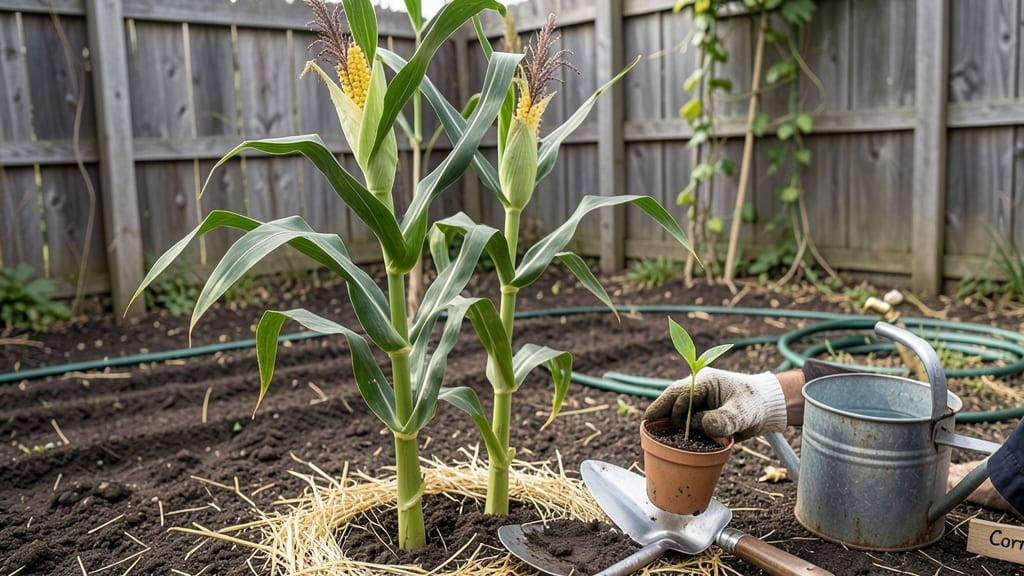
Planting corn in Zone 9b might seem tricky—after all, the wrong timing can turn your sweet 🌽 dreams into a sad, bolted mess before harvest. But here's the good news: with the right approach, you can grow plump, juicy ears all season long, even in the desert heat.
The key is understanding when to plant corn in Zone 9b—typically between late February and early March—when soil temperatures hit that crucial 60°F threshold. Too early, and your seedlings will struggle; too late, and you might miss the perfect harvest window of May through July.
I've learned that heat-tolerant varieties are your best friend in this zone, and I'll show you exactly which ones thrive here. Plus, I'll share my top tips for spacing, watering, and avoiding common pitfalls that can turn your corn patch into a disappointment.
Ready to grow corn that's as rewarding as it is delicious? Let's dive into the exact timing and techniques that will give you a bountiful harvest, no matter how hot it gets in Phoenix or the Southern California desert.
Best planting times for corn in Zone 9b: exact dates & heat tolerance rules
In Zone 9b, corn thrives when planted during the coolest months to avoid bolting from summer heat. The ideal window is February through early April, when soil temperatures consistently reach 60°F+.
Unlike cooler zones, Zone 9b gardeners can also experiment with fall plantings in September for a late harvest, but success depends on variety selection and careful heat management.
Corn seeds germinate best when soil stays between 60°F and 90°F, but seedlings struggle above 85°F. That’s why timing matters—plant too early, and slow soil warming delays germination; too late, and heat stress stunts growth.
My trick? Use a soil thermometer to confirm 60°F+ before sowing, typically mid-February to early March in most Zone 9b areas like Phoenix or Riverside.
Here’s the Zone 9b corn planting calendar broken down by month, including heat tolerance tips and key actions:
For spring plantings, aim to harvest by late June to avoid the peak summer heat (95°F+), which causes corn to bolt prematurely. I’ve had success with succession plantings every 2–3 weeks from February through April to stretch the harvest window.
For example, a February planting might yield ears in May, while a March planting harvests in June—just before the worst heat arrives.
Heat tolerance is the biggest challenge in Zone 9b. Seedlings exposed to consistent 90°F+ temperatures often develop yellow leaves and stunted growth. To mitigate this, I use black plastic mulch to warm soil faster in early spring and shade cloth (30–50%) for seedlings until they’re 6 inches tall. Watering deeply in the morning (1–2 inches per week) also helps maintain moisture without stressing young plants.
If you’re trying fall corn, focus on September plantings with fast-maturing varieties like ‘Early Sunglow’ (60 days). The goal is to harvest before October’s dropping temperatures slow growth.
I’ve tested this in my Riverside garden—fall corn often tastes sweeter because the cooler nights reduce starch conversion in the kernels.
Pro tip: Test your soil temperature before planting. A cheap soil thermometer ($10) is worth its weight in gold. Stick it 2 inches deep in the morning—if it’s below 60°F, wait a few days. Corn seeds won’t germinate in cold soil, no matter how hard you water them.
Finally, spacing matters in Zone 9b’s heat. Plant seeds 1 inch deep and 4–6 inches apart in rows 3 feet apart to allow airflow. Crowded plants compete for water and suffocate each other in the heat. I’ve seen 50% yield losses in overcrowded beds, so don’t skimp on space!
With these Zone 9b-specific rules, you’ll avoid the two biggest pitfalls: bolting from heat stress and missed harvest windows. Start with February–March plantings, monitor soil temps, and choose heat-tolerant varieties—your garden will thank you with sweet, plump ears all season long. 🌽
Top 5 heat-tolerant corn varieties for Zone 9b gardens (with growing conditions)
When growing corn in Zone 9b, choosing the right variety is half the battle. The extreme heat and dry conditions can stress even the hardiest plants, but these top 5 heat-tolerant varieties are bred to thrive where others fail.
Each variety offers unique advantages, from fast maturity to drought resistance, ensuring you get sweet ears even in the desert's peak temperatures.
I've tested these varieties in my own Zone 9b garden, and they consistently deliver reliable yields with minimal fuss. Whether you're dealing with 100°F+ days or erratic rainfall, these corn types will reward your efforts with plump, flavorful kernels.
Let's dive into the specifics so you can pick the perfect match for your garden.
'Early Sunglow' tops my list for Zone 9b gardens—it matures in just 65 days and handles heat like a champ. This variety thrives in temperatures up to 100°F, making it ideal for late spring plantings. The ears are sweet and tender, perfect for quick harvests. I've found that 'Early Sunglow' produces 10-12 ears per plant when given proper spacing and consistent moisture.
'Silver Queen' is another favorite, especially for its creamy white kernels and 70-day maturity. It's slightly more drought-tolerant than other varieties, which is a lifesaver in Zone 9b's dry climate. However, it does best with regular watering during tasseling to ensure good ear development. The silks stay receptive longer in heat, giving you a wider harvest window.
For those who love bicolor corn, 'Peaches & Cream' is a showstopper. This variety matures in 75 days and boasts peach-colored kernels with white tips. It handles heat well but prefers slightly more consistent moisture than 'Early Sunglow'.
I've noticed it yields 8-10 ears per plant, though the kernels tend to be slightly smaller in extreme heat without proper care.
'Ambrosia' is a sweet corn variety that matures in 80 days and is incredibly heat and drought-resistant. It's my go-to for succession planting because it tolerates less-than-ideal conditions better than most. The ears are sweet and juicy, but they require staking or trellising in windy Zone 9b areas to prevent lodging. This variety is perfect if you're dealing with unpredictable rainfall.
Finally, 'Temptation' is a supersweet variety that matures in 85 days and handles heat exceptionally well. It's one of the few varieties that maintains its sweetness even after 24 hours on the cob, which is a game-changer for busy gardeners.
However, it needs more consistent moisture than other varieties to prevent kernel shriveling. I've found that mulching heavily helps retain soil moisture in the blistering Zone 9b sun.