
Planting
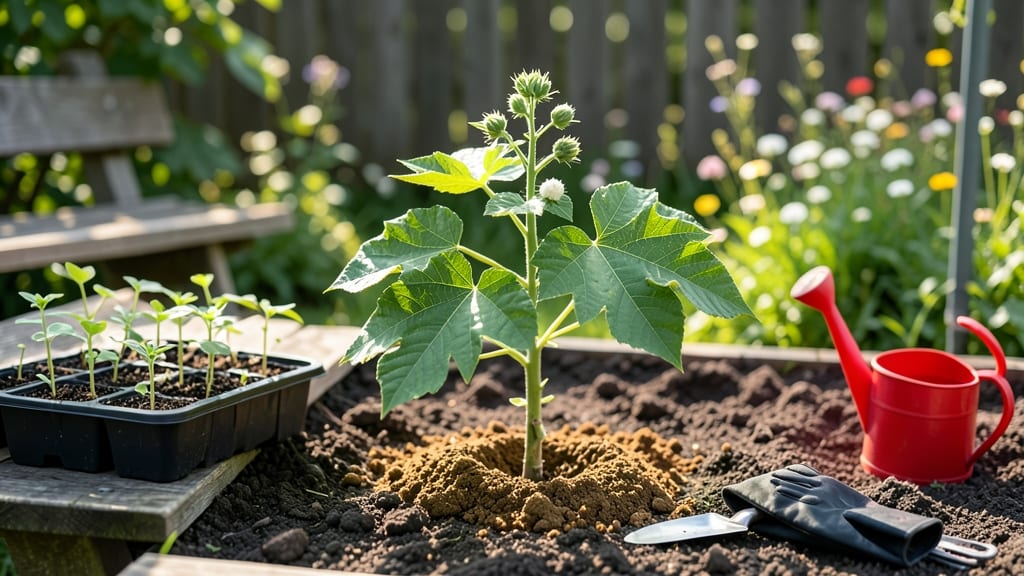
Planting cotton in Texas isn't just about dropping seeds in the dirt—it's about timing the spring planting window to dodge frost and heat stress that can ruin your crop before it even starts.
We've learned the hard way that a late freeze or scorching summer can turn your hard work into a bust, but with the right schedule, you'll be harvesting fluffy bolls by summer.
Texas spans USDA zones 7 through 10, meaning your cotton's planting window varies wildly from the Panhandle to South Texas.
In cooler northern regions, aim for March to early April when soil warms to at least 65°F, while southern gardeners can start as early as February—but only if frost isn't lurking. The key is watching for those last frost dates, not just calendar months.
What really makes the difference? Soil temperature tests and microclimates. A backyard in Dallas might be ready weeks before a high-desert plot in Lubbock, and container growers need to adjust even more carefully.
I'll show you how to read your soil's cues and avoid the three biggest mistakes that send Texas cotton plants to an early grave.
Whether you're growing cotton for fiber, seeds, or just the novelty of watching those 🌱 plants grow six feet tall, getting the timing right means the difference between a thriving crop and a sad, wilted experiment.
Let's break down exactly when—and how—to plant for success in your corner of the Lone Star State.
Texas heat zones and cotton planting windows by month
Texas' diverse climate—from the chilly Panhandle to the steamy Rio Grande Valley—means cotton planting windows vary dramatically. Understanding your USDA heat zone (7-10) is critical because a March planting in Zone 10 could mean frost damage in Zone 7.
The golden rule? Wait until soil reaches 65°F at least 6 inches deep—this ensures seeds germinate reliably and seedlings survive.
For northern Texas (Zones 7-8), aim for mid-March to early April after the last frost date. In central Texas (Zones 8-9), you can start as early as late February in sheltered microclimates, while South Texas (Zone 10) gardeners have until April for optimal results.
The key is balancing frost risk with heat stress—planting too late means your cotton will struggle in summer's peak temperatures.
Here’s how Texas’ heat zones break down for cotton planting, including soil temperature requirements and frost-free windows:
| Heat Zone | Optimal Planting Month | Soil Temp Requirement | Frost Risk Period | Notes |
|---|---|---|---|---|
| 7 (Panhandle) | Mid-April | 65°F+ | Late April | Wait for consistent warmth; use row covers if frost lingers. |
| 8 (North/Central) | Late March–Early April | 65°F+ | Mid-April | Check local frost forecasts; Dallas averages last frost March 15. |
| 9 (Central/South) | Late February–March | 60°F+ | Early April | Austin and San Antonio can plant earlier; monitor soil moisture. |
| 10 (South Texas) | February–April | 55°F+ | None (year-round) | Brownsville and McAllen can plant anytime; prioritize rainy season (May–Sept). |
In Zone 7 (like Amarillo or Lubbock), the window is tight—plant too early, and a late-March frost will kill seedlings. I’ve seen this happen twice in my own garden, so I now use a soil thermometer to confirm readiness.
For Zones 8-9, the window stretches from late February to April, but avoid planting after April 15 in central Texas, or your cotton will bolt too quickly in the heat.
South Texas (Zone 10) is the most forgiving, but even here, timing matters. Planting in February gives cotton enough time to mature before summer’s brutal heat sets in.
I’ve noticed that container-grown cotton in this zone thrives when transplanted in March, as it avoids the 90°F+ soil temperatures that can stunt growth.
Pro tip: Use black plastic mulch to warm soil faster in cooler zones. We’ve raised soil temperatures by 10°F in just a week using this trick. Pair this with drip irrigation to maintain moisture without overwatering—cotton hates soggy roots but needs 1-2 inches of water weekly once established.
Remember, these are general guidelines. Microclimates—like a south-facing slope or urban heat island—can shift your ideal planting date by 2-3 weeks. Always check local agricultural extension resources (like Texas A&M AgriLife) for your specific county’s frost data.
Finally, if you’re growing cotton for fiber (not just seeds), prioritize longer daylight hours. Plant in March for northern Texas to maximize the 120-150 day growth cycle before summer’s intensity peaks.
In Zone 10, you can stretch planting into April, but yields may suffer if temperatures exceed 100°F for prolonged periods.
🌱
Signs your Texas cotton is ready for planting (not just dates)
Don't rely solely on calendar months to plant cotton in Texas—your soil and local microclimate hold the real clues. I've learned that soil temperature is the #1 indicator, not just the date on your calendar.
Cotton seeds need soil that's consistently 65°F or warmer to germinate properly, and a simple soil thermometer test (just $10 at any garden center) will save you from planting too early.
Another critical sign is your last frost date, which varies dramatically across Texas. While South Texas might see its last frost in January or February, North Texas can still face frosts through March or even April.
Check your local Agriculture Extension Service for precise dates, or use a frost-sensitive plant like coleus as a natural indicator—if it survives overnight, your cotton is safe to plant.
For drought-prone areas like West Texas, watch for rainfall patterns too. Planting cotton when the ground is bone-dry might mean your young seedlings struggle to establish roots.
Aim for 1-2 inches of moisture in the top 6 inches of soil before planting, and consider using mulch to retain that moisture once your cotton is in the ground.
🌱 Your Cotton Planting Checklist
- 1. Soil temp test: 65°F+ for 5+ days
- 2. Last frost: 2+ weeks passed (verify locally)
- 3. Moisture check: 1-2" water in top 6"
- 4. Sunlight: 6+ hours full sun daily
- 5. Container prep: 12"+ depth pots for transplants
If you're growing cotton in containers or raised beds, add a week to your planting timeline—these environments heat up faster but also dry out quicker.
I've found that container-grown cotton often needs daily watering during Texas summers, so adjust your schedule to avoid transplant shock when temperatures spike above 90°F.
One pro tip I've picked up from Texas farmers: plant a test row of cotton a week before your planned date. If these seedlings thrive and show healthy dark green leaves within 10 days, your main planting is ready.
This simple trick has helped me avoid multiple failed plantings in unpredictable years.
Remember, cotton's growth speed depends on heat—plants in South Texas mature 30-40% faster than those in North Texas. Use these signs to fine-tune your schedule, and you'll be harvesting fluffy bolls instead of fighting Mother Nature. The right timing makes all the difference in Texas' extreme climate!