
Companion Plants
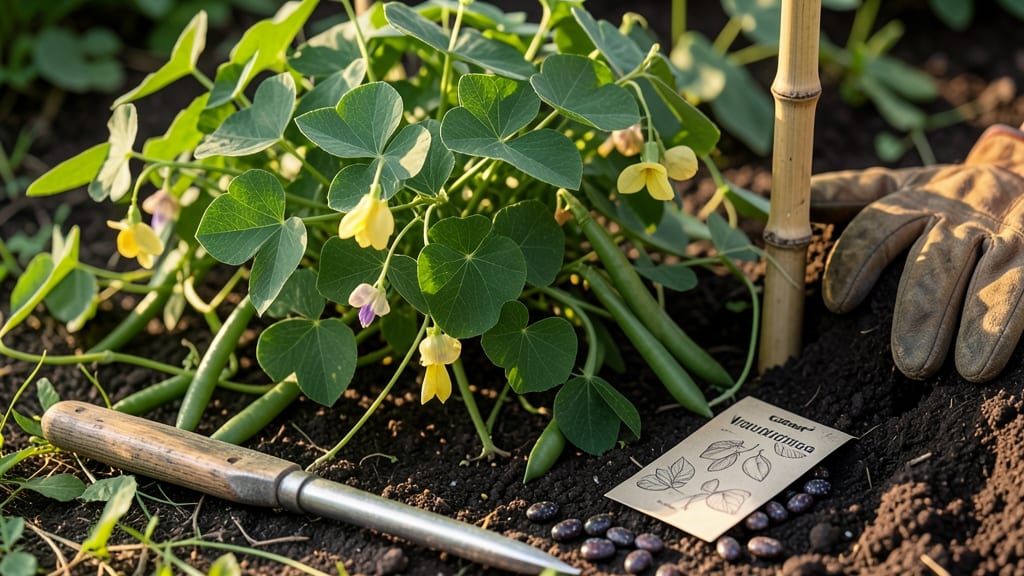
Planting cowpeas in Oklahoma at the right time means the difference between a thriving garden and a missed harvest—especially when your growing season is short and unpredictable.
The key to success lies in timing your 🌱 cowpea seeds after the last frost, when soil temperatures hit at least 60°F, ensuring strong germination and rapid growth.
For most of Oklahoma’s USDA zones 6a-8a, the ideal window stretches from mid-April to June, giving plants enough warmth to mature before summer’s intense heat. But don’t overlook fall planting either—August to September can yield a second harvest if you act quickly before the first frost arrives.
Whether you’re growing cowpeas for their nitrogen-rich soil benefits or their delicious pods, getting the timing right is everything. I’ll walk you through the best strategies for both spring and fall plantings, including how to adjust for Oklahoma’s microclimates and avoid common pitfalls.
Ready to maximize your harvest? Let’s dive into the exact planting schedule that works for your corner of the state—no guesswork needed.
Oklahoma’s cowpea planting zones: when to start by heat zone
Oklahoma’s USDA heat zones 6a-8b create dramatic differences in cowpea planting windows. In zone 6a (northern Panhandle), cool springs delay planting until late May, while zone 8b (southern Oklahoma) allows March-April sowing.
Soil temperatures must reach 60°F+ for germination, and microclimates—like river valleys—can shift ideal timing by 2-3 weeks.
Cowpeas thrive in Oklahoma’s long, hot summers, but late frosts in April can devastate early plantings. Southern regions like Tulsa (7b) often see frost-free by March 15, while Oklahoma City (7a) waits until April 1.
Understanding these regional frost dates prevents wasted seeds and ensures maximum yield.
Here’s how Oklahoma’s heat zones break down for cowpea planting:
For zone 6a, I recommend staggered plantings every 2 weeks from late May to June 15 to extend harvests through September. In zone 8b, you can even try fall plantings in August for a late-October harvest before frosts arrive.
Soil temperature is critical—use a soil thermometer to confirm 60°F+ before sowing. In drier zones (6a-7a), mulch with straw to retain moisture and prevent heat stress during Oklahoma’s 100°F+ summers. Southern zones benefit from light shade cloth during peak afternoon heat.
Microclimates play a huge role. Urban areas like Oklahoma City can be 5°F warmer than rural fields, while elevated regions (e.g., Wichita Mountains) may need 2-week delays
Cowpea variety planting timing: early vs late maturing types
Choosing the right cowpea variety for Oklahoma’s short growing seasons means matching planting times to maturity dates. Early varieties like ‘Purple Hull’ thrive in spring plantings (April-May), while late types such as ‘Black-Eyed Pea’ handle summer heat better when planted in late May-June.
The key is aligning heat tolerance with your region’s last frost dates.
Oklahoma’s USDA zones 6a-8a create microclimates where early maturing varieties (50-60 days) escape summer’s intense heat, while late maturing types (70-90 days) thrive with extended daylight. Southern Oklahoma’s longer frost-free periods allow for fall plantings (August-September) of heat-sensitive varieties, whereas northern areas must prioritize early spring starts.
| Variety | Maturity Days | Best Planting Window | Heat Tolerance | Drought Resistance |
|---|---|---|---|---|
| Purple Hull | 55-60 | April-May | Moderate | High |
| Black-Eyed Pea | 65-75 | Late May-June | High | Moderate |
| Iron Clay | 70-80 | June-July | Very High | Very High |
| California Black-Eye | 60-65 | April or August | Moderate | High |
For early maturing varieties like ‘Purple Hull’, aim to plant 4-6 weeks before your area’s first expected frost.
In Oklahoma’s southern regions (e.g., Oklahoma City), this means April 15-May 1 for spring harvests by July-August. Late maturing types such as ‘Iron Clay’ should go in late May-June to mature by September-October before cooler temps arrive.
Adjust planting dates by 1-2 weeks if your area experiences unusually hot springs or early summer droughts. For example, in western Oklahoma’s Panhandle, where soil dries faster, plant ‘Black-Eyed Pea’ in early June to avoid heat stress during flowering.
Always monitor soil moisture—drought-resistant varieties like ‘Iron Clay’ need deep watering every 5-7 days once established.
Extend your harvest by staggering plantings every 2 weeks in spring and fall. This works especially well for ‘California Black-Eye’, which tolerates both spring and fall plantings.
In southern Oklahoma, a late August planting can yield pods by October-November, while northern regions should limit fall plantings to early August to avoid early frosts.
Pro tip: Use mulch to retain soil moisture and shade cloth during peak summer heat (100°F+). This protects young seedlings and extends the harvest window for late varieties by 10-14 days. Always prioritize well-draining soil—cowpeas hate soggy roots—and amend with compost for nutrient-rich growth. 🌱