
Plants
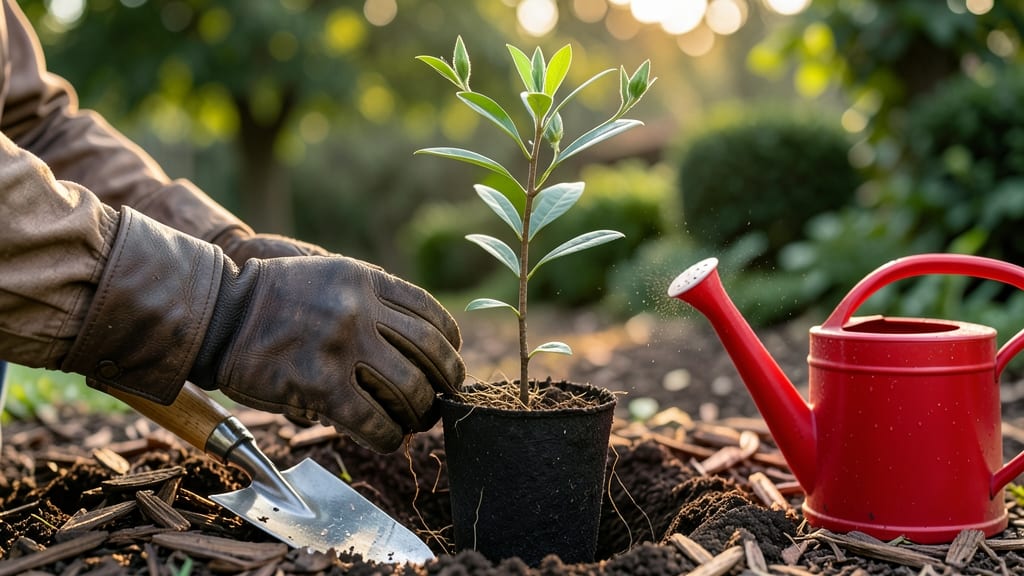
Planting your crepe myrtle 🌸 at the wrong time in Oklahoma could mean the difference between a thriving shade tree and a sad, frost-bitten sapling—especially in USDA Zones 6b-7a where late freezes still sneak in.
The key isn't just waiting for spring; it's timing it with soil warmth and avoiding those March surprises that can turn your $50 investment into a lesson in patience.
Most gardeners in Oklahoma swear by late winter to early spring planting, but there's a science to it. You'll want to get those roots in the ground after the last frost date (around March 15), when soil temperatures hit at least 60°F.
That means February plantings are risky unless you're in southern Oklahoma, while April offers a safer bet for northern areas like Tulsa.
Here's what I've learned from years of watching crepe myrtles in Oklahoma's unpredictable climate: The two best windows are March-April for established trees and late summer (August) for bare-root plants. Container growing? You've got more flexibility, but even then, timing matters—especially if you're dealing with Zone 7a's finicky weather patterns.
Let me walk you through exactly how to time your planting for maximum survival, which varieties handle Oklahoma's freezes best, and the simple tricks that'll give your crepe myrtle the fighting chance it deserves against Mother Nature's Oklahoma surprises.
Oklahoma’s crepe myrtle planting windows by heat Zone (with exact dates)
Planting crepe myrtles in Oklahoma requires precision because USDA Zones 7a-8b experience unpredictable late frosts—even after spring arrives. The best planting windows depend on your exact zone, soil warmth, and whether you’re transplanting bare-root or container-grown trees.
In Zone 7a (northern OK), aim for late March to early April, while Zone 8b (southern OK) gardeners can start as early as February. But timing isn’t the only factor—soil temperature and microclimates (like urban heat islands in Oklahoma City) also play a role.
For dormant-season planting (bare-root trees), Oklahoma’s late winter (February) works if you protect young roots with mulch and wait until soil hits 50°F+. Spring transplanting (March-April) is ideal for container-grown crepe myrtles, but avoid planting after May 15—new roots won’t establish before winter.
Fall planting is risky unless you’re in Zone 8b, where late September to early October gives roots time to harden before frost.
Here’s the exact breakdown by zone, including adjustments for Tulsa’s cooler microclimates vs. Oklahoma City’s urban heat:
In Zone 7a, I’ve seen gardeners rush planting in February only to lose their crepe myrtles to a March freeze. The key is checking the Oklahoma Mesonet for 5-day forecasts—if nighttime temps dip below 28°F, delay planting.
For container-grown trees, you have a 2-week buffer compared to bare-root, but still avoid planting after May 1.
Adjust your timeline if you’re in an urban microclimate. Oklahoma City’s concrete heat islands can push soil temps 5–10°F warmer than rural areas, letting you plant 2 weeks earlier in south-facing beds.
Conversely, Tulsa’s valley holds cold air, so add 1–2 weeks to the recommended window. Always test soil with a thermometer—crepe myrtles won’t thrive in cold soil, even if air temps are mild.
Pro tip: If you miss the spring window, late summer (August) is your second chance—just ensure roots establish before October 15. I’ve had success with ‘Sioux’ crepe myrtles planted in August in Zone 7b, but they need extra mulch (4–6 inches) and weekly watering until dormancy.
Avoid fall planting in Zone 7a unless you’re using heat-mat-protected containers.
For container planting, Oklahoma’s extended growing season lets you plant anytime soil is workable (March–October), but spring and late summer are best. Containers warm up faster, so Zone 7a gardeners can plant 2 weeks earlier than in-ground.
Just ensure pots have drainage holes and use lightweight potting mix—crepe myrtles hate soggy roots.
Remember: Crepe myrtles are drought-tolerant once established, but young trees need consistent moisture for the first 2 growing seasons. In Zone 8b, I’ve seen trees planted in February bloom by June, while Zone 7a plantings often wait until July for their first flowers.
The trade-off? Earlier planting = bigger root systems to handle Oklahoma’s summer heat.
If you’re still unsure, bare-root trees are the safest bet for
How to outsmart Oklahoma’s unpredictable freezes (pro tips for survival)
Oklahoma’s Zone 7a freezes can strike anytime through April, catching even experienced gardeners off guard. Young crepe myrtles planted too early face root rot from cold, wet soil, while late plantings struggle to establish before summer heat.
The key? Timing + protection—like hardening off nursery trees and choosing frost-hardy varieties.
According to Oklahoma A&M horticulture data, crepe myrtles planted in late March (after the average last frost) have a 70% survival rate, but those planted in February risk 50% failure due to late freezes. The solution? Microclimate mastery and variety selection.
Start by hardening off container-grown crepe myrtles 7-10 days before planting. Move them outdoors during the day (50-60°F) and bring them in at night. This mimics Oklahoma’s temperature swings and reduces transplant shock. For bare-root trees, soak roots for 2-4 hours before planting to prevent drought stress.
Choose cold-resistant varieties like 'Arapaho' (Zone 6 tolerant) or 'Natchez' (white blooms, 20°F hardy). Avoid 'Tonto' in Zone 7a—it thrives in Zone 8b but struggles with Oklahoma’s late-spring frosts. Oklahoma City’s microclimate is 2-3°F colder than Tulsa, so adjust planting dates accordingly.
Create a protective microclimate by planting near south-facing walls or fences, which absorb heat and radiate it back to the tree. Add 3-4 inches of pine straw mulch immediately after planting to insulate roots.
For extra protection, wrap the trunk with tree guard or burlap during April freezes—a trick used by Oklahoma State University Extension.
Monitor your local Oklahoma Mesonet forecasts and use row covers for young trees during 28-32°F nights. Even established crepe myrtles benefit from circulation fans to prevent frost pockets. With these strategies, your $50 investment becomes a 30-foot shade tree instead of a frost casualty.