
Plants
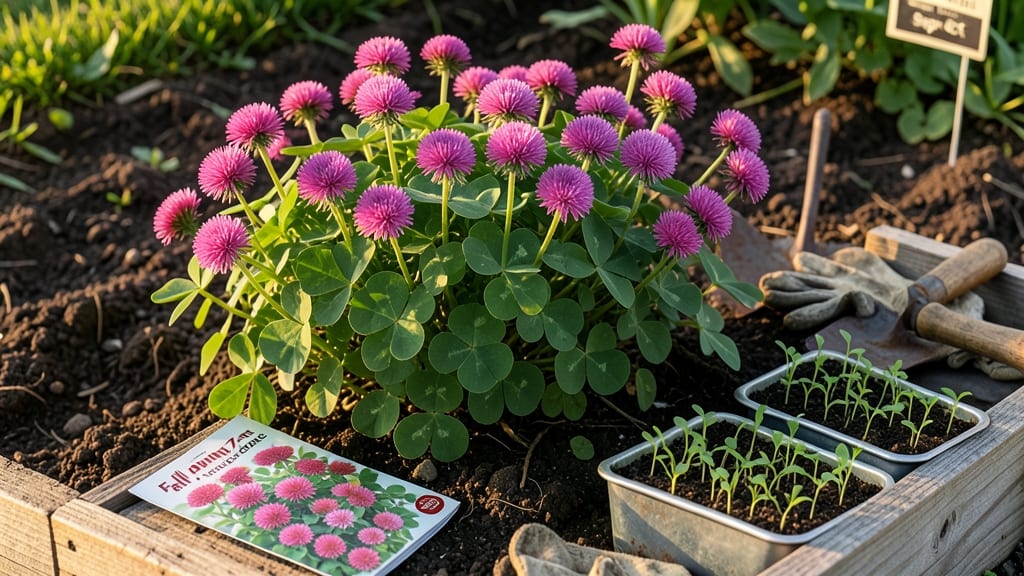
Planting Crimson Clover 🌸 in Texas isn't just about timing—it's about outsmarting the heat and frost to create a thriving cover crop that boosts your soil naturally.
The difference between a lush, nitrogen-rich patch and a failed season often comes down to knowing exactly when to drop those seeds, whether you're in Zone 8a or 10b.
Most gardeners in Texas make one critical mistake: they either rush planting before summer's last heatwave or wait too long, missing the sweet spot for fall establishment. The key? Planting 6–8 weeks before your first frost—typically between August and September—when soil temps hit that ideal 55–65°F range.
But here's the twist: your exact timing depends on where you live. In North Texas, you might aim for early September, while South Texas gardeners can stretch into October. I'll break down the frost-date cheat sheet you need to avoid common pitfalls and maximize your Crimson Clover's potential.
Ready to transform your soil? Let's dive into the zone-specific planting windows, soil prep secrets, and why Texas' climate makes Crimson Clover a game-changer for your garden.
Texas planting zones & soil temperature requirements for crimson clover
Texas spans USDA Hardiness Zones 6-10, creating dramatic differences in frost timing and soil temperature readiness for crimson clover (🌸). In Zone 6a (Panhandle), first frosts arrive by December 15, while Zone 10b (Rio Grande Valley) rarely sees frost.
This variance means your planting window shifts from August-September in the north to October-November in the south for fall establishment.
The key to success lies in soil temperature, not air temperature. Crimson clover germinates best when soil reaches 55-65°F—cooler than many gardeners assume. In North Texas (Zones 7-8), wait until soil warms to 60°F+ after summer's brutal heat subsides, typically by mid-August.
In South Texas (Zones 9-10), you can plant as late as October when soil temps remain ideal.
Here's how to test soil readiness: Use a soil thermometer buried 2 inches deep. Check temperatures at 10 AM for accuracy. If readings dip below 55°F at night, wait 1-2 weeks. Morning frost warnings mean your window is closing—don't rush!
Crimson clover is frost-tolerant once established, but seedlings need consistent warmth to sprout.
Zone-specific adjustments are critical. In Zone 6a, plant by August 15 to ensure roots establish before first frost (Dec 15). By Zone 10b, you have until November 1—but soil must stay above 55°F for germination.
Use this 100-day rule: Plant 100 days before your average first frost for a robust cover crop.
| USDA Zone | First Frost Date | Ideal Planting Window | Soil Temp Requirement | Key Adjustment |
|---|---|---|---|---|
| 6a (Panhandle) | Dec 15 | Aug 1-15 | 60-65°F | Plant early to avoid frost |
| 7a (Dallas/Fort Worth) | Dec 20 | Aug 15-Sep 15 | 58-63°F | Avoid summer heat stress |
| 8a (Austin/San Antonio) | Jan 5 | Aug 30-Sep 30 | 55-60°F | Wait for soil to cool |
| 9a (Houston) | Jan 15 | Sep 15-Oct 15 | 55-62°F | Extend window to November |
| 10b (Rio Grande Valley) | None | Oct 1-Nov 1 | 55-65°F | Plant for winter cover |
For spring planting, aim for February-March when soil warms to 55°F+. In North Texas (Zones 7-8), this aligns with late February after winter chill subsides.
In South Texas (Zones 9-10), you can plant as late as March 15, but prioritize well-drained soil to prevent rot in warm, humid conditions.
Pro tip: Use a black plastic mulch to warm soil faster in spring. Lay it down 2-3 weeks before planting to raise soil temps by 5-10°F.
This trick extends your spring planting window by 2-3 weeks, especially in Zone 6a where frosts linger longer. Always remove mulch after planting to prevent overheating.
Monitor local Almanac frost predictions for real-time adjustments. While averages guide you, La Niña years bring earlier frosts to North Texas, while El Niño can delay them. Sign up for Texas A&M AgriLife Extension alerts to get hyper-local updates
Frost-date cheat sheet: when to plant crimson clover by Texas region
Texas' varied climate means your crimson clover planting window can shift dramatically between regions. In North Texas, like Dallas and Fort Worth, you'll need to plant earlier than in South Texas, where milder winters allow later sowing.
The key is using the 100-day rule—count back from your area's average first frost to determine the perfect planting window.
For fall planting, aim to sow seeds when soil temperatures drop below 85°F but stay above 55°F. This typically means late August to mid-September in most Texas regions.
In West Texas, like Lubbock and El Paso, you may need to start even earlier to avoid summer heat stress.
| Texas Region | Average First Frost | Ideal Planting Window | Soil Temp Requirement | 100-Day Rule Target |
|---|---|---|---|---|
| North Texas (Dallas, Fort Worth) | December 15 | August 20 - September 15 | 55-65°F | September 15 (9/15) |
| Central Texas (Austin, San Antonio) | December 1 | August 30 - September 25 | 55-65°F | September 20 (9/20) |
| South Texas (Houston, Corpus Christi) | January 15 | September 15 - October 10 | 60-70°F | October 10 (10/10) |
| West Texas (Lubbock, El Paso) | November 30 | August 1 - September 10 | 50-60°F | September 10 (9/10) |
Use the 100-day rule by counting back from your region's first frost date. For example, if your area's average frost is December 15, plant by September 15 to ensure your crimson clover establishes before winter.
In South Texas, where frost comes later, you can extend your window until October 10.
For spring planting, aim for February to early March across most of Texas. This gives your clover time to grow before summer heat arrives. In West Texas, where summers are extreme, early spring planting is even more critical to avoid heat stress.
Always check your local Texas A&M AgriLife Extension for precise frost dates and soil temperature updates. Microclimates in your area can shift planting windows by 1-2 weeks, so stay flexible with your schedule.
Pro tip: Test your soil temperature with a soil thermometer before planting. Crimson clover thrives when soil is between 55-65°F, but cooler temps in West Texas may require waiting until 50°F.