
Plants
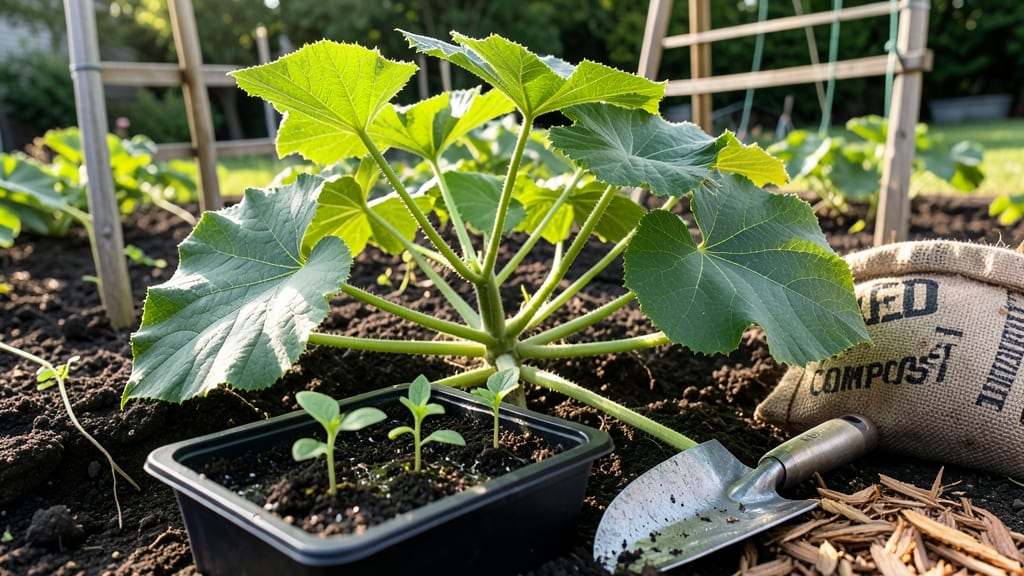
Planting cucumber seeds in Ontario isn’t just about waiting for spring—it’s about catching that perfect window when soil warms up and frost risks vanish. One wrong move, and your 🥒 vines could wilt before they even sprout, leaving you with empty garden space instead of crisp, homegrown cucumbers.
Here’s the truth: most Ontario gardeners miss their best planting chance by focusing only on the calendar, not the soil temperature. In zones 5a-6b, cucumbers need the ground to hit at least 55°F (13°C)—and that’s often weeks after the last frost date.
Skipping this step means stunted growth, fewer fruits, and a harvest that never lives up to its potential.
But don’t worry—this guide will show you exactly when to plant for your region, whether you’re in Toronto or Ottawa. We’ll cover soil tricks to extend your growing season, how to spot false springs, and even container hacks for shorter summers. Ready to turn your garden into a cucumber powerhouse?
The key to success? Timing, patience, and a little know-how. By the end, you’ll know not just when to plant, but how to give your cucumbers the head start they need to thrive—no matter what Ontario’s unpredictable weather throws at you.
Ideal Ontario cucumber planting dates by last frost risk zones
Cucumber plants thrive in Ontario’s warm summers, but timing your planting is critical to avoid frost damage and maximize yields. The province’s USDA zones 5a-6b create distinct planting windows—waiting until soil hits 55°F (13°C) ensures strong germination and growth. I’ll break down the perfect dates for Toronto, Ottawa, and Southern Ontario’s microclimates.
Ontario’s last frost dates typically range from mid-May to early June, but soil temperature is the real game-changer. Cucumbers need warm soil to germinate, so I always check for 55°F (13°C) at 4-inch depth—this can be weeks after the last frost.
Southern Ontario’s Zone 6b areas like Niagara and Hamilton can plant earlier, while Ottawa’s Zone 5a often waits until late May.
Here’s how to align your planting with Ontario’s frost risk zones and soil conditions:
For Toronto gardeners, I recommend starting seeds indoors in early April and transplanting after May 15. Use black plastic mulch to warm soil faster—this can shave off 1-2 weeks of waiting.
In Ottawa’s cooler climate, I’ve had success with cold frames or row covers to extend the season by 3-4 weeks.
Don’t forget about succession planting! After your first harvest in July, sow another batch for a late-summer crop. Just ensure your second planting finishes before the first frost in October. In Zone 6b, this means stopping by early September, while Zone 5a gardeners should aim for August.
Pro tip: Use a soil thermometer to verify warmth—cucumbers won’t germinate below 55°F (13°C). I’ve seen seeds rot when planted in cool, wet soil, so always test before sowing. For container growing, use 5-gallon pots and place them in sunny spots where soil warms faster.
If you’re in a transitional zone like Kitchener-Waterloo, monitor local forecasts for false springs. A late frost can devastate young plants, so I recommend having row covers ready until mid-June for extra protection.
For bush varieties like ‘Bush Champion’, I plant slightly earlier than vining types—they mature faster and tolerate cooler soils better. Always choose disease-resistant varieties like ‘Straight Eight’ or ‘Marketmore’ for Ontario’s humid summers.
Remember: Cucumbers love heat, so the earlier you plant, the more you’ll rely on season extenders. With the right timing, you’ll enjoy fresh homegrown cucumbers from July through September—no grocery store needed! 🥒
Soil temperature secrets: how to test and extend cucumber growing season
Cucumbers thrive when soil temperatures hit 55°F (13°C), but Ontario’s unpredictable springs often delay planting. Testing soil warmth accurately prevents wasted seeds and ensures strong vines. A simple soil thermometer inserted 2-3 inches deep gives real-time readings—critical for avoiding false starts after early warm spells.
Even if air temperatures climb, cold soil will stunt germination. I’ve seen cucumber seeds rot in 50°F (10°C) soil—a common trap in Ontario’s Zone 5-6 regions. Pair your thermometer with a moisture meter to confirm readiness; dry soil heats faster than damp earth.
- 🌡️ Test at 2-3" depth—surface temps can be misleading. Use a digital thermometer for accuracy.
- ☀️ Black plastic mulch raises soil temps by 10°F+ in 2 weeks. Lay it 1 week before planting.
- 🌿 Companion plants like radishes or clover warm soil naturally by breaking up compacted earth.
- 🏡 Cold frames extend the season by 3-4 weeks. Cover seedlings with clear plastic domes for 10°F warmer soil.
- 📅 Plant after May 20 in Southern Ontario—wait for 3 consecutive days above 55°F (13°C).
Cold frames are my secret weapon for earlier harvests. By covering young plants with clear plastic, I’ve added 2-3 weeks to Ontario’s short growing season. Place frames on south-facing slopes to maximize sunlight absorption—this trick works even in Ottawa’s Zone 5a.
Don’t overlook companion planting to warm soil naturally. I interplant radishes with cucumbers—their shallow roots loosen compacted soil, improving airflow and heat retention. Another trick? Straw mulch decomposes slowly, adding 1-2°F per week to soil temps.
For container growers, black pots absorb heat like a greenhouse. I’ve seen 10°F warmer soil in black containers vs. white ones. Pair this with a heat mat ($15 at garden centers) to jumpstart germination in cool May mornings.
Pro tip: Check soil temps late afternoon—that’s when they peak. If your thermometer reads below 55°F (13°C), delay planting by 1-2 weeks or use a row cover to create a microclimate. Patience here means bigger yields later.