
Plants
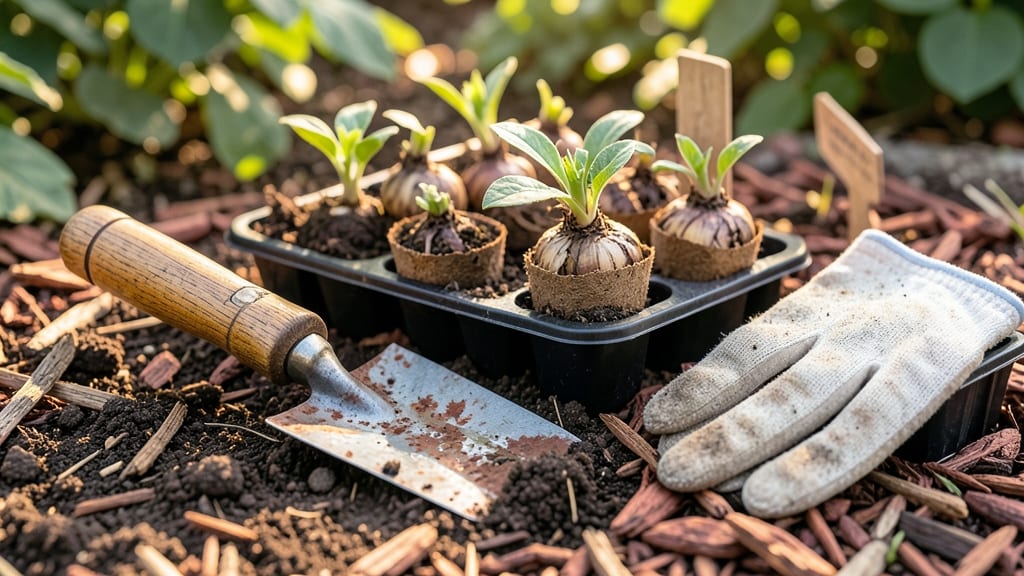
Planting dahlias in Zone 6 at the wrong time can mean the difference between a showstopping summer garden and a sad, frost-nipped disappointment. The key isn't just waiting until spring—it's knowing when your soil has warmed enough to support those delicate tubers without inviting frost back for a second act.
Most gardeners in Zone 6 (General) and 6a make the mistake of rushing dahlias 🌸 into the ground too early, only to watch their progress stall when temperatures dip. But with the right soil temperature checklist, you can time your planting for maximum blooms—no guesswork required.
I'll walk you through the science behind those perfect 60°F soil temps and how to prepare your garden bed like a pro.
Here's the game-changer: pre-sprouting your tubers indoors can give you a 2-week head start on the season, but even that won't help if your outdoor soil isn't ready.
We'll cover exactly when to move those sprouted tubers outside, plus how to protect them from late frosts that sneak in around April 15—the average last frost date for Zone 6.
By the end, you'll know not just when to plant dahlias, but how to set them up for a season of vibrant blooms from August through October. Let's get those tubers in the ground at the perfect moment—because timing is everything when it comes to dahlias.
Zone 6 dahlias planting timeline: soil temperature rules for frost-free success
Timing your dahlias right in Zone 6 means the difference between a showstopping summer display and a sad, frost-nipped failure. These stunning bloomers demand warm soil (at least 50°F) to thrive, but planting too early risks cold damage while waiting too long shortens your blooming season.
Let’s break down the science-backed window for frost-free success—plus how to adjust for your specific microclimate.
Most Zone 6 gardeners aim to plant dahlias after their average last frost date (around April 15 in most areas), but soil temperature tells a more accurate story. Dahlias need consistent warmth—their tubers won’t sprout reliably until the ground reaches 50°F for 3-5 consecutive days.
In my experience, this typically aligns with mid-May in most of Zone 6, but your exact timing depends on elevation, local weather patterns, and even your garden’s microclimate.
Here’s the golden rule: Wait until your soil thermometer reads 60°F+ at a 6-inch depth. This threshold ensures roots establish quickly, giving your dahlias the best shot at vibrant blooms by July.
Pro tip: If you’re in Zone 6a (colder end of the spectrum), push planting to late May—the extra week of warmth makes all the difference for tuber varieties like ‘Café au Lait’ or ‘Galaxy.’
| Stage | Soil Temp Threshold | Zone 6 Planting Window | Action Items |
|---|---|---|---|
| Pre-Sprouting (Indoors) | 60-65°F (for tubers) | Early April (if starting indoors) | Place tubers in trays, cover with 2" soil |
| Outdoor Planting | 50°F+ (3+ days) | Mid-May to early June | Plant tubers 4-6" deep, 12-15" apart |
| Frost Watch | Below 32°F | After May 15 (avg) | Use row covers if late frost threatens |
| Peak Blooming | 65°F+ (consistent) | July to September | Deadhead spent blooms for continuous flowers |
Microclimates can shift your planting window by 2-4 weeks. For example, if your garden sits in a sunny, south-facing slope, soil warms faster—you might plant as early as late April. Conversely, low-lying areas or shady spots may need to wait until early June.
To test your soil’s readiness, stick your finger 6 inches deep: If the soil feels like a warm bath (not cold or clammy), it’s time to plant.
Container gardening adds another layer of complexity. Potted dahlias warm up faster than in-ground plants because containers heat up quicker in sunlight.
I’ve had success planting containerized dahlias 2-3 weeks earlier than my in-ground varieties, but I use black plastic pots (they absorb heat) and place them on heat-absorbing bricks. Just be prepared to move containers indoors if a late frost sneaks up—dahlias are not frost-tolerant at any stage.
For tuber varieties, consider pre-sprouting indoors in early April. Place tubers in a bright, warm spot (60-65°F) and watch for 1-inch sprouts in 4-6 weeks. These early starts give you a head start on the season, but only plant them outdoors once soil temperatures are stable.
I’ve seen dahlias pre-sprouted this way bloom 3-4 weeks earlier than non-sprouted tubers.
Don’t overlook soil preparation—dahlias crave rich, well-draining soil with a pH of 6.0-7.0. Amend your beds with compost or aged manure 2-3 weeks before planting. I mix in a 5-10-10 fertilizer at planting time to give my dahlias a nutrient boost.
Mulch with straw or shredded leaves after planting to retain moisture and regulate soil temperature—this is especially critical in Zone 6’s unpredictable springs.
If you’re pushing the envelope and planting in April, protect your dahlias with frost cloth or a mini greenhouse. I’ve used row covers successfully for ‘Mignon’ dahlias in early May, but remove them during the day to prevent overheating.
For late plantings in June, choose compact varieties like ‘Thomas Edison’ or ‘Happy Single’—they’ll still produce plenty of blooms before the first frost.
Remember: Dahlias need 6-8 hours of full sun daily to perform at their best. If your Zone 6 garden has partial shade, opt for shade-tolerant varieties like ‘Karma Choc’ or ‘Bishop.’
5 Critical signs your Zone 6 soil is ready for dahlias (before you dig)
Planting dahlias too early in Zone 6 risks frost damage, while waiting too long shortens your blooming season. The key to success lies in understanding your soil's readiness—not just the calendar date.
Before you dig, check these 5 critical signs that your garden bed is primed for dahlias, from temperature to texture.
First, grab a soil thermometer (they're cheap and game-changing). Dahlias need soil temperatures to stay consistently above 60°F (15°C) for at least 24 hours. This warmth signals tubers it's safe to sprout.
Many gardeners in Zone 6 hit this mark in mid-to-late May, but your microclimate may vary—especially if you're near water or in a low-lying area.
🌱 5 Critical Soil Readiness Checks
- 🌡️ Soil Temp Check: Use a thermometer to confirm 60°F+ (15°C+) for 24+ hours. Test in morning shade for accuracy.
- 👆 Frost-Free Window: Verify your last frost date (typically April 15 in Zone 6) and add 2-3 weeks buffer for soil warming.
- 💧 Moisture Test: Squeeze a handful of soil—it should hold shape but not be soggy. Dahlias hate waterlogged roots.
- 🌱 Visual Cues: Look for worms or earthworm casts on surface—signs soil is warming and active.
- ✂️ Texture Test: Dig a 6-inch hole. Soil should crumble easily when dry (not hard clay) and drain water within 1-2 hours.
Many gardeners skip the soil thermometer and rely on local frost dates, but this is risky. For example, my garden in Zone 6a hit 60°F in early May one year—but a late frost delayed planting by 2 weeks.
Always confirm with a thermometer, especially if you're planting tender varieties like 'Karma Choc' or 'Bishop.'
Another common mistake? Planting when the air temperature is warm but the soil is still cold. Dahlias' tubers rot if planted in chilly ground. Test soil depth at 6 inches—this is where their roots will establish first.
If your soil is still below 60°F at this depth, wait another week or use black plastic mulch to warm it faster.
Don’t forget to prep your planting site while you wait. Mix in compost or aged manure to improve drainage, and avoid fresh manure—it can burn tender dahlia roots.
Once your soil passes all 5 checks, plant tubers 4-6 inches deep, with the eyes facing up, and water deeply to settle the soil. This timing ensures your dahlias burst into bloom by mid-summer—just in time for your garden's star turn.
Pro tip: Mark your planting date on a calendar and set a reminder to stake or cage your dahlias 2-3 weeks after sprouting. Tall varieties like 'Thomas Edison' (5-6 feet) need support early to prevent flopping in Zone 6’s summer storms. 🌸