
Plants
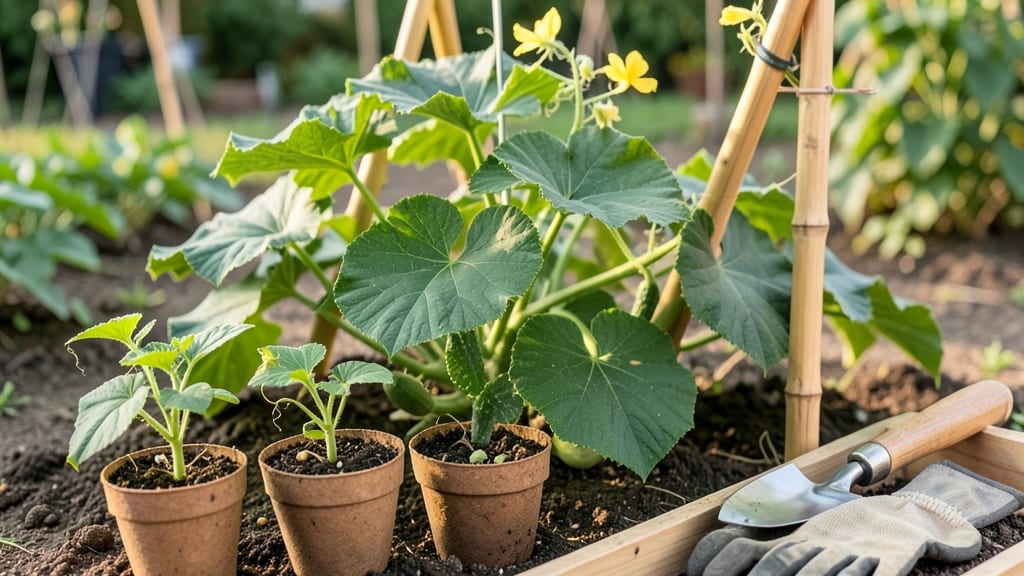
Planting cucumbers 🥒 at the wrong time in Zone 8b can turn your summer harvest into a bitter disappointment—bolting vines and bitter fruit are just the beginning. But with precise timing, you can avoid these common mistakes and enjoy crisp, sweet cucumbers all season long.
In Zone 8b, the key to success lies in understanding your local frost dates and soil temperatures. Planting too early can shock young plants, while waiting too long may lead to heat stress.
I’ll break down the exact windows—spring and fall—that work best for your region, so you never miss the perfect moment.
You’ll discover why March-April and August-September are the ideal times, along with pro tips to extend your harvest. Whether you’re a beginner or a seasoned gardener, these tricks will help you grow cucumbers that are both abundant and delicious.
Ready to transform your garden? Let’s dive into the exact timing and techniques that will keep your cucumbers thriving from seed to harvest.
Perfect planting window for cucumbers in Zone 8b: avoid bolting with exact dates
In Zone 8b, cucumbers thrive when planted during two distinct windows: early spring and late summer. The key is avoiding bolting—when plants flower prematurely due to heat stress—while ensuring soil temperatures stay above 60°F.
For most of Zone 8b, this means starting seeds or transplants 2-3 weeks after your last frost date, typically between mid-March and early April. However, late summer plantings (August-September) can also yield a second harvest before frost arrives in November.
Your last frost date is the critical benchmark. In Zone 8b, this usually falls around March 15, but microclimates—like urban heat islands or coastal areas—can shift this by 1-2 weeks.
For example, San Diego may see last frosts in mid-February, while Atlanta might hold off until early April. Always verify with your local Cooperative Extension Service for precision.
Here’s the golden rule: Wait until soil temperatures consistently reach 60°F at a 4-inch depth. Use a soil thermometer to check—cucumbers won’t germinate below 55°F, and cool soils delay growth, increasing bolting risks. In Zone 8b, this often aligns with late March to early April for spring plantings.
| Planting Window | Method | Soil Temp | Days to Harvest | Notes |
|---|---|---|---|---|
| Mid-March to Early April | Direct Sow or Transplant | 60°F+ | 50-60 days | Best for spring harvest; use row covers if nights dip below 50°F. |
| Late July to Early August | Direct Sow Only | 65°F+ | 45-55 days | Avoids summer bolting; harvest before October heat waves. |
| August to Mid-September | Transplant (hardened seedlings) | 60°F+ | 50-60 days | Extend season with shade cloth; stop planting by Sept 15. |
For direct sowing, cucumbers germinate best in warm soil (70°F+).
Start seeds indoors 3-4 weeks before your target outdoor date if using transplants, but harden them off for 7-10 days before moving to the garden. Bush varieties like 'Bush Champion' tolerate cooler soils better than vining types, making them ideal for early spring or late fall plantings.
Zone 8b’s late summer heat (August-September) can trigger bolting if plants experience sudden temperature spikes above 90°F. To mitigate this, use shade cloth (30-50%) during peak afternoon sun or plant in partial shade (4-6 hours of sun).
Drip irrigation with mulch keeps roots cool and hydrated, reducing stress. Avoid overhead watering, which can scorch leaves and invite fungal diseases like powdery mildew.
If you’re in a coastal microclimate (e.g., Santa Barbara), you can push spring plantings 2 weeks earlier thanks to milder nights. Conversely, inland areas like Phoenix may need to delay until mid-April to escape late frosts.
Always monitor 7-day forecasts—a cold snap after planting can stunt growth or kill seedlings.
Succession planting is your secret weapon for a longer harvest. In Zone 8b, sow a new batch every 2 weeks from April through July. This ensures a steady supply of fresh cucumbers while staggering maturity dates.
For fall plantings, stop by mid-September to allow time for vines to establish before cooler temps set in.
Pro tip: Plant cucumbers near radishes or beans to deter pests and improve soil nitrogen. Avoid planting near potatoes or sage, which can stunt growth. Use trellises for vining varieties to save space and improve air circulation, reducing disease risks.
With these timing tricks, you’ll enjoy crisp, sweet cucumbers from June through October—no bolting in sight!
🥒
Zone 8b cucumber varieties that thrive when planted at the right time
Choosing the right cucumber variety for Zone 8b can mean the difference between a bountiful harvest and bitter disappointment. Heat-resistant varieties like 'Straight Eight' and 'Marketmore 76' are designed to handle Zone 8b's intense summer sun without bolting prematurely.
These varieties also resist common diseases like powdery mildew, which thrives in our warm, humid climate.
Timing is everything in Zone 8b. Planting too early risks frost damage, while planting too late can lead to heat stress and poor fruit set.
The ideal window for spring planting is after your last frost date—typically mid-March to early April—while late summer plantings should happen by early August to mature before fall frosts arrive.
My top recommendation for Zone 8b gardeners is 'Straight Eight', a classic slicing cucumber that thrives in heat and produces crisp, sweet fruit all summer long. It's also disease-resistant and handles late-season heat better than most varieties.
For a high-yielding option, try 'Marketmore 76', which produces 50+ cucumbers per plant and tolerates humidity well.
If you're looking for something different, 'Armenian' cucumbers (also called snake melons) are perfect for Zone 8b. These long, slender varieties grow prolifically in heat and can be harvested continuously. They're also less prone to bolting than traditional cucumbers, making them ideal for late summer plantings.
For a compact option, 'Bush Champion' is a bush-type cucumber that stays contained and produces abundant fruit without sprawling vines.
For late-season plantings, focus on heat-tolerant varieties like 'Lemon Cucumber' or 'Suyo Long'. These varieties continue producing even as temperatures climb, giving you a second harvest in fall. Always plant these after August 1st to ensure they mature before the first frost—typically around mid-November in Zone 8b.
Remember, the key to success in Zone 8b is proper timing and variety selection. Pair your chosen cucumbers with companion plants like radishes or nasturtiums to deter pests, and always provide consistent moisture to prevent bolting.
With the right varieties and a little care, you'll enjoy a long, productive harvest all season long. 🌿