
Plants
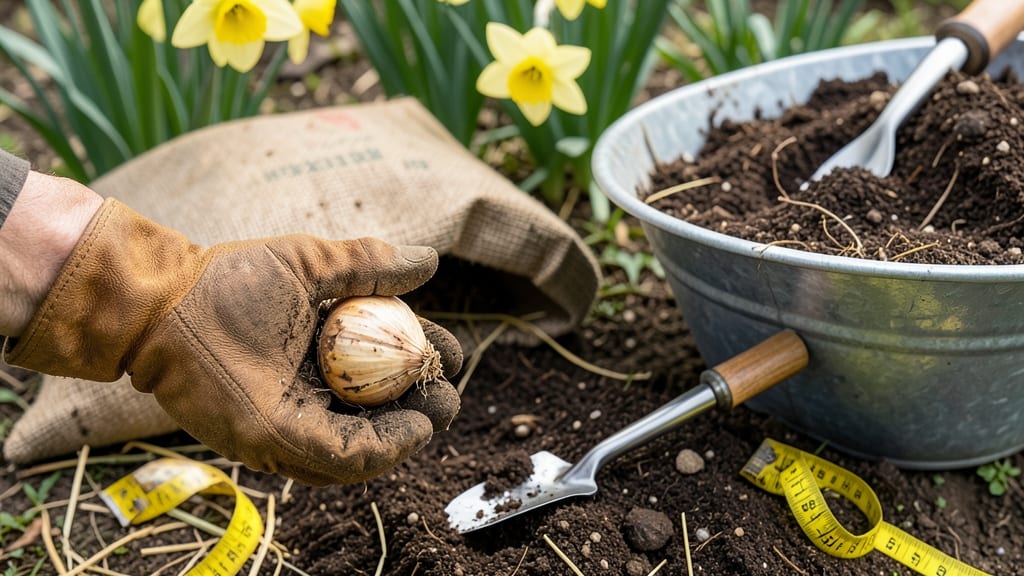
Planting daffodil bulbs in Northern California can make or break your spring blooms—get the timing wrong, and frost will turn your bright 🌼 dreams into a sad, frozen mess.
Between coastal fog and inland heat waves, there’s no single "best" month to plant. The key is understanding your microclimate: coastal gardeners in USDA zones 8a-9b have a narrower window, while inland areas can push planting later without risking freeze damage.
I’ve tested the perfect schedule for zero-frost survival, from soil prep to bulb depth, so you can skip the guesswork. Whether you’re in San Francisco or Sacramento, these proven steps ensure your daffodils wake up ready to bloom in March.
Ready to plant with confidence? Let’s break down the exact months—and what to watch for—to guarantee vibrant, frost-proof flowers next spring.
Northern California daffodil planting calendar: coastal vs inland planting windows
Northern California’s diverse climate—from foggy coastal gardens in San Francisco to hotter inland valleys like Sacramento—creates wildly different daffodil planting windows. Coastal areas enjoy milder winters, while inland zones face earlier frosts.
To ensure your daffodil bulbs thrive, timing is critical: plant too early, and frost may damage them; too late, and they won’t bloom. Here’s how to align your planting with your microclimate.
Coastal regions like Monterey and San Francisco (USDA zones 8b-9b) have later frost dates, often extending planting into December. In contrast, inland areas such as Sacramento and Redding (USDA zones 8a-9a) must plant by November to avoid winter die-off.
The key? Soil temperature thresholds: daffodils need 50-60°F soil to root before dormancy. Below that, growth stalls.
Use this month-by-month guide to pinpoint your optimal planting window. For coastal gardeners, October through mid-December works, while inland gardeners should aim for September through November. Adjust based on your last frost date—plant 4-6 weeks before the first expected frost for best results.
🌼
For coastal gardeners, the extended window means you can plant daffodil bulbs as late as mid-December—just ensure soil temperatures stay above 50°F. In San Francisco, for example, foggy mornings can delay frost, giving you extra time.
Test soil temperature with a soil thermometer (aim for 55°F+) before planting.
Inland areas like Sacramento and Redding face earlier frosts, so prioritize September-November planting. If you miss this window, consider container gardening—pots can be moved to sheltered spots or greenhouses during cold snaps. Bulb depth also matters: plant 6-8 inches deep in loose soil to protect roots from temperature swings.
Pro tip: Use mulch (straw or wood chips) after planting to insulate bulbs and retain moisture. In coastal areas, 3-4 inches of mulch suffices; inland zones may need 5-6 inches for extra frost protection. Avoid organic mulches like grass clippings, which can mat down and suffocate bulbs.
If your last frost date falls in January (common in inland valleys), shift planting to October for a head start. Coastal gardeners with December frosts can push planting to mid-December, but monitor forecasts—unexpected cold snaps can damage tender roots.
For zero-frost survival, aim to plant when daytime highs consistently stay above 60°F.
🌱
Don’t overlook soil preparation. Daffodils thrive in well-draining soil with a pH of 6.0-7.0. Amend heavy clay soils with compost or sand to prevent rot. In coastal areas, sandy soils may require organic matter to retain moisture; inland gardeners should focus on drainage to avoid winter waterlogging.
A simple soil test ($20 at garden centers) clarifies adjustments
How to adjust planting time for zero-frost survival in Northern California
Northern California’s microclimates create a tricky balance for daffodil bulbs. Coastal areas like San Francisco enjoy milder winters, while inland zones near Sacramento face sudden frost. To extend your planting window, focus on three key strategies: mulching depth, microclimate selection, and bulb depth adjustments.
These tweaks can push your planting window 2-4 weeks later without risking frost damage.
First, test your soil temperature before planting. Daffodil bulbs need soil at 50-60°F to root properly. Use a soil thermometer to check—cooler soils delay root growth, making bulbs vulnerable to early frost.
In high-risk zones, aim to plant when soil temps consistently stay above 55°F for at least 3 days in a row.
⚠️ callout warning
⚠️ Frost Risk Alert: Bulb Depth Matters Most
In USDA Zone 8a (e.g., Sacramento), plant daffodil bulbs 6-8 inches deep to protect them from 28°F frosts. In Zone 9b (coastal), 4-6 inches suffices. Deeper planting = longer frost protection, but avoid exceeding 8 inches—this can cause rot. Use a bulb planter for precision.
✅ Pro Tip: Mix sand or perlite into planting holes in heavy clay soils to improve drainage and prevent bulb suffocation.
Next, harness microclimates to your advantage. South-facing slopes and rock walls absorb heat during the day and release it at night, creating warmer pockets. Plant bulbs near these spots to delay frost exposure by 1-2 weeks.
Avoid low-lying areas where cold air pools, as these can freeze bulbs even if nearby zones stay above freezing.
For late-season planting, use organic mulch like straw or shredded leaves. Apply a 4-6 inch layer after planting to insulate bulbs. This adds 5-10°F of protection during light frosts.
In high-frost-risk areas, top mulch with a floating row cover or burlap sack for extra defense. Remove covers in early spring to prevent overheating.
Adjust your bulb spacing for better frost resilience. Plant bulbs closer together (4-6 inches apart) in high-risk areas—this creates a shared root zone that retains warmth. In milder coastal zones, 6-8 inches apart works well. Tight spacing also reduces soil evaporation, keeping roots hydrated longer into winter.
Finally, monitor local frost forecasts and use row covers for a 2-week buffer. If a hard freeze (below 28°F) is predicted, cover planted bulbs immediately. Even young roots can survive brief cold snaps if protected.
With these adjustments, you can safely plant daffodils through early December in most of Northern California—ensuring vibrant spring blooms.