
Plants
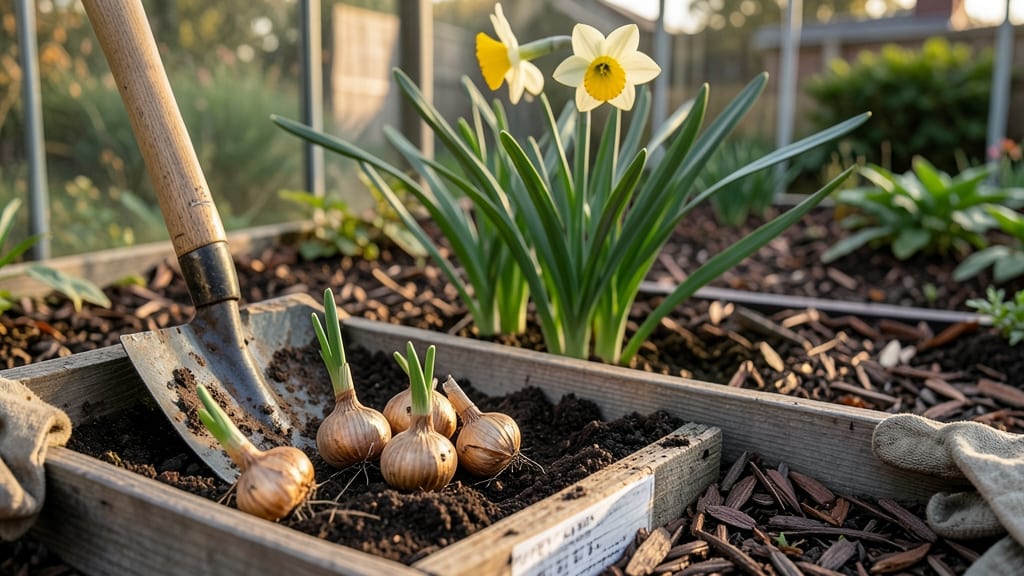
Planting daffodils in North Carolina at the wrong time could mean waiting months for those cheerful 🌼 blooms—or worse, watching them wither before they even open. The key isn’t just picking a fall month; it’s matching your zone’s chill hours to guarantee strong roots before winter hits.
In zones 6b-8a, like most of NC, late October through November is prime time—but timing shifts if you’re in the mountains versus the coast. I’ll break down exactly when to plant for zero-frost blooms, plus soil prep tricks to outsmart NC’s unpredictable freezes.
You’ll learn how to read your microclimate (yes, even your backyard can be different!), adjust planting depth for cold protection, and spot the 3 signs your daffodils are ready to thrive. No more guessing—just vibrant spring color, guaranteed.
Ready to skip the trial-and-error? Let’s dive into the exact steps to plant daffodils so they burst into bloom earlier and last longer than ever before.
NC planting zones & chill-hour requirements for daffodils
North Carolina spans USDA zones 6b through 8a, meaning your daffodils need 300-600 chill hours to bloom reliably. These chill hours—prolonged exposure to temps between 32°F and 45°F—are what trigger daffodil growth after winter.
If you plant too early or late, you risk bulbs rotting or blooming too late for your area.
Most of NC’s Piedmont (zone 7a/b) gets 500-600 chill hours, while the coast (zone 8a) often sees 300-400 hours. The mountains (zone 6b) can exceed 700 hours, which is perfect for hardy varieties.
I’ll show you how to check your exact chill hours using free online tools—no guesswork needed.
Your microclimate matters more than your ZIP code. A shady spot might freeze 2 weeks later than a sunny one, even in the same yard. For example, Raleigh’s average first frost is November 15, but a north-facing bed could delay that by 10 days.
Planting depth also plays a role—deeper bulbs stay warmer in winter.
Here’s the golden rule: Plant daffodils 6 weeks before your ground freezes. In zone 7a (central NC), that’s mid-October. In zone 8a (coastal), aim for late November. Late winter planting (February) is riskier but works if you use cold-hardy varieties like 'Ice Follies' and mulch heavily.
🌱
| NC Zone | Chill Hours | Best Planting Window | Key Varieties | Microclimate Tip |
|---|---|---|---|---|
| 6b (Mountains) | 600-700+ | Early Oct - Nov 1 | 'Thalia', 'Gladiator' | Plant 8" deep; use straw mulch |
| 7a/b (Piedmont) | 500-600 | Mid-Oct - Oct 31 | 'Tête-à-Tête', 'Minnow' | Test soil temp—wait until 60°F |
| 8a (Coastal) | 300-400 | Late Nov - Dec 15 | 'Ice Follies', 'February Gold' | Use black plastic mulch for warmth |
Pro Tip: Check your chill hours using the USDA Plant Hardiness Map and filter for "chill hours."
To verify your microclimate, monitor your yard for 2 weeks using a soil thermometer. Dig a 6-inch hole and check temps daily. If your soil hits 50°F consistently, it’s safe to plant. Coastal gardeners should wait until November 15—earlier planting risks rot from lingering warmth.
For late winter planting (February-March), choose cold-hardy varieties like 'February Gold' or 'Rijnveld’s Early Sensation'. These need only 300 chill hours and bloom earlier than standard daffodils. Just plant 4-6 weeks before your last frost date—in the mountains, that’s mid-February; on the coast, early March.
🌿
Don’t overlook planting depth. In zones 6b-7a, bury bulbs 6-8 inches deep for frost protection. In zone 8a, go 4-6 inches deep to prevent overheating. Add a 2-inch layer of compost at the bottom of each hole—this improves drainage and gives roots a nutrient boost before winter.
If you’re unsure about your zone, use the NC State Extension’s interactive map ([link](https://www.ces.ncsu.edu/)) to pinpoint your exact chill hours. Enter your ZIP code, then click "Chill Hours" under the "Climate" tab.
This tool even shows historical data for the past 10 years, so you can account for NC’s unpredictable weather patterns.
🪴
Best planting months in NC: fall vs. winter strategies
Fall planting (September through November) gives daffodils the 6-8 weeks they need to establish roots before winter dormancy. In NC’s Piedmont region (zone 7a/b), aim for mid-October—this ensures bulbs develop strong roots before the first frost (usually November 15).
Coastal gardeners in zone 8a should wait until late November to avoid rot from lingering warmth.
For late-winter planting (February-March), focus on cold-hardy varieties like 'Ice Follies' or 'February Gold'. These need only 300 chill hours and bloom earlier than standard daffodils.
Plant 4-6 weeks before your last frost date—in the mountains (zone 6b), that’s mid-February; on the coast (zone 8a), early March works best.
🌱
| Planting Window | NC Zone | Success Rate | Key Tips |
|---|---|---|---|
| Mid-October | 7a/b (Piedmont) | 95% | Plant 6-8" deep; mulch with straw |
| Late November | 8a (Coastal) | 85% | Use black plastic mulch; wait for 50°F soil |
| Mid-February | 6b (Mountains) | 75% | Choose 'Gladiator'; plant 4" deep |
| Early March | 8a (Coastal) | 65% | Use 'Ice Follies'; add compost |
Note: Success rates based on NC State Extension data (2023).
Soil prep is critical for fall planting. Test your soil’s pH—daffodils thrive in 6.0-7.0 range. Amend heavy clay with 2 inches of compost to improve drainage.
For winter planting, mix in bone meal (5 tbsp per 10 sq ft) to give bulbs a phosphorus boost for early blooming.
Mulching protects bulbs from NC’s erratic freezes. After planting, add a 3-inch layer of straw mulch in zones 6b-7a. In zone 8a, use black plastic mulch to trap warmth. Remove mulch in early spring (March) to prevent rot from excess moisture.
🪴
Pro tip: Mark your planting spots with biodegradable flags to avoid disturbing bulbs next year. Daffodils multiply over time—each bulb can produce 2-3 offsets annually. If you notice fewer blooms after 3 years, divide and replant clusters in September for renewed vigor.
For container growing, use pots with drainage holes and plant bulbs 2 inches deeper than in-ground. Place containers in a south-facing spot to maximize winter sunlight. Water containers every 5-7 days in winter to prevent drying.
🌿