
Plants
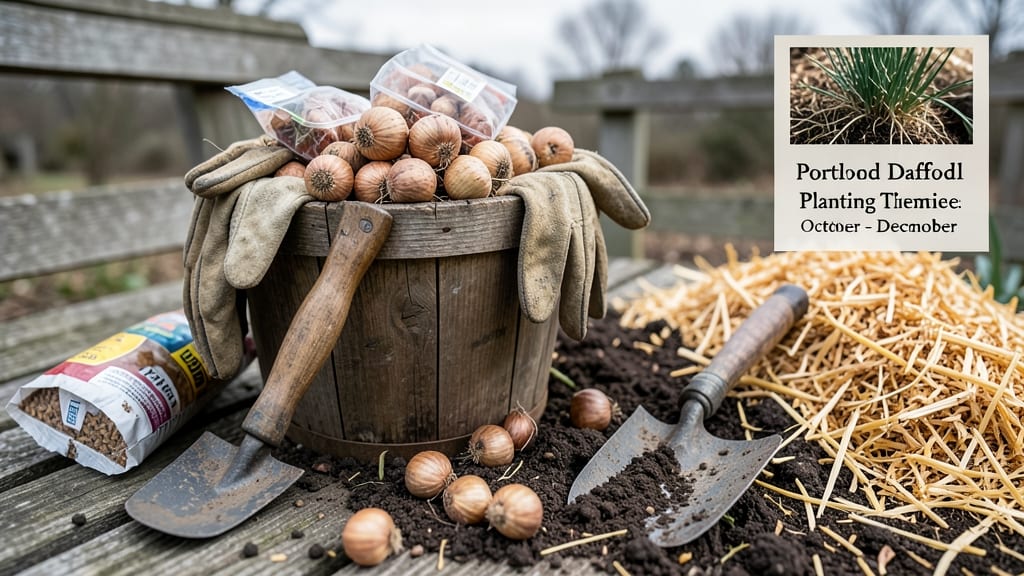
Planting daffodils in Portland, Oregon, might seem simple, but getting the timing just right can mean the difference between vibrant spring blooms and bulbs that never make it past winter.
With Portland’s USDA Zone 8a climate, you’ve got a narrow window to plant these cheerful 🌼 stars before the first frost hits—usually between mid-September and November.
Why does timing matter so much? Because daffodils need 4-6 weeks to establish roots before the ground freezes, and Portland’s unpredictable frost dates (often landing around October 15–November 1) can throw off even the most well-intentioned gardener.
Too early, and your bulbs might sprout too soon; too late, and they won’t have time to settle in.
If you’ve ever wondered why some daffodils thrive while others fail in Portland’s mild but tricky climate, the answer lies in understanding how to align planting with the city’s unique microclimates—whether you’re in the Willamette Valley or the hills.
I’ll break down the exact strategies to ensure your daffodils not only survive but bloom beautifully come spring.
Ready to set your garden up for success? Let’s dive into the perfect planting schedule and tips tailored specifically for Portland’s conditions, so you can enjoy those cheerful yellow faces popping up right on schedule.
Best planting months for daffodils in Portland’s USDA Zone 8a climate
Portland’s USDA Zone 8a climate creates a unique challenge for daffodil planting—mild winters mean soil stays workable longer than in colder zones, but unpredictable frost patterns demand precise timing.
The key window for planting daffodil bulbs is September through November, with soil temperatures ideally between 40°F and 60°F for optimal root establishment before winter dormancy.
Daffodils thrive when planted 4-6 weeks before the first frost, which in Portland typically falls between October 15 and November 1. This timing allows bulbs to develop strong roots before winter, ensuring vibrant spring blooms that emerge early and withstand occasional late frosts.
Planting too early risks rotting, while waiting too long may leave bulbs vulnerable to freeze-thaw cycles.
Portland’s microclimates further complicate timing—areas like the Willamette Valley have milder winters, while higher elevations (e.g., West Hills) experience earlier frosts. Adjust planting dates 1-2 weeks earlier in hillside gardens or 1-2 weeks later in sheltered valley locations to match local frost risks.
Spring planting is possible but risky in Portland. While daffodils can be planted in late winter (February-March), they may not establish roots quickly enough to bloom that same year. If you miss fall, opt for early spring planting (March) only if soil temperatures remain above 50°F consistently.
| Planting Window | Soil Temp Threshold | Portland Microclimate | Frost Risk |
|---|---|---|---|
| September 15–October 15 | 50°F–60°F | Willamette Valley | Low (plant 6 weeks before frost) |
| October 1–November 1 | 40°F–50°F | Hills/West Hills | Moderate (plant 4 weeks before frost) |
| March 1–March 15 | 50°F+ (consistent) | All areas | High (risk of poor root growth) |
For zero-frost blooms, prioritize planting early September in the Willamette Valley or mid-October in hillside gardens. This timing maximizes root development before winter and ensures bulbs push through Portland’s last frost dates (May 1–May 15) with full vigor.
Use a soil thermometer to confirm temperatures—bulbs should go into 40°F soil or warmer for best results.
Adjust for late-season planting by choosing early-blooming varieties (e.g., 'February Gold') if you plant in December. These cultivars tolerate cooler soils better and may still produce flowers the following spring, though yields may be reduced.
Always plant bulbs 6 inches deep and 6 inches apart for optimal airflow and frost resistance.
Portland’s rainy winters also play a role—plant bulbs in well-draining soil to prevent rot. Amend heavy clay soils with compost or sand before planting, and consider raised beds in areas prone to waterlogging. Mulch with 3 inches of straw after planting to insulate bulbs and regulate soil temperatures.
If you’re unsure about frost dates, use Portland’s average first frost (Nov 1) as your cutoff. Planting by October 15 in most areas ensures bulbs have 6-8 weeks of root growth before winter, which is critical for spring blooming success.
For hillside gardens, shift this window 2 weeks earlier to account for cooler microclimates.
Spring-planted daffodils may still bloom, but expect smaller flowers and later blooming times. If you miss fall planting, focus on container growing—pots can be moved to protected locations during late frosts. Use a lightweight potting mix and ensure containers have drainage holes to mimic ideal soil conditions.
Remember: Portland’s unpredictability is the biggest hurdle. By aligning your planting with soil temperatures and microclimate frost risks, you’ll give your daffodils the best chance to thrive and bloom reliably year after year. 🌼
How to adjust planting for Portland’s frost risks and soil conditions
Portland’s USDA Zone 8a climate brings unique challenges for daffodil growers, including unpredictable frost dates and heavy, clay-rich soils. The key to success lies in strategic adjustments—like choosing early-blooming varieties and preparing your soil for winter resilience. These tweaks help daffodils thrive even when Portland’s weather throws curveballs.
One of my favorite strategies is the zero-frost approach, which involves planting bulbs early enough to establish roots before the first frost (October 15–November 1 in Portland). This method ensures your daffodils bloom earlier in spring, often before late frosts can damage them.
Pair this with well-draining soil and proper mulching to create the perfect growing conditions.
Planting Adjustments for Portland’s Climate
| Strategy | Pros | Cons |
|---|---|---|
| Early-Blooming Varieties | Bloom before late frosts; vibrant early spring color. | May have shorter bloom time. |
| Late-Blooming Varieties | Longer bloom season; more resilient to late frosts. | Risk of frost damage if planted too late. |
| Soil Amendments (Compost) | Improves drainage; adds nutrients for root growth. | Requires upfront effort to prepare soil. |
| Mulching (Straw or Wood Chips) | Insulates bulbs from frost; retains moisture. | May need replenishing annually. |
| Zero-Frost Planting Window | Maximizes root growth before frost; earlier blooms. | Requires precise timing; risk if frost comes early. |
For soil preparation, focus on improving drainage—Portland’s clay-heavy soil can suffocate daffodil roots. Mix in 3–4 inches of compost or well-rotted manure before planting. This not only loosens the soil but also provides essential nutrients for bulb development.
Test your soil’s pH (ideal range: 6.0–7.0) and adjust with lime if needed.
Mulching is another game-changer. After planting, apply a 2–3 inch layer of straw or wood chips around your daffodils. This mulch acts as insulation, protecting bulbs from late-winter frosts and retaining moisture during Portland’s dry spells.
Just remember to pull back the mulch in early spring to allow sunlight to reach the emerging foliage.
If you’re dealing with microclimates—like colder hillside areas or warmer urban pockets—adjust your planting schedule accordingly. For example, plant bulbs in early September in cooler zones and wait until mid-October in warmer urban gardens.
This flexibility helps you avoid frost damage while keeping your daffodils on track for a stunning spring display.
Finally, consider container planting if your garden has poor drainage or frost pockets. Daffodils thrive in pots filled with a mix of potting soil and perlite, and you can move containers to a sheltered spot during unexpected cold snaps.
This method gives you full control over soil conditions and frost protection.
With these adjustments, your daffodils will not only survive Portland’s quirks but also thrive and bloom beautifully year after year. Happy planting! 🌼