
Plants
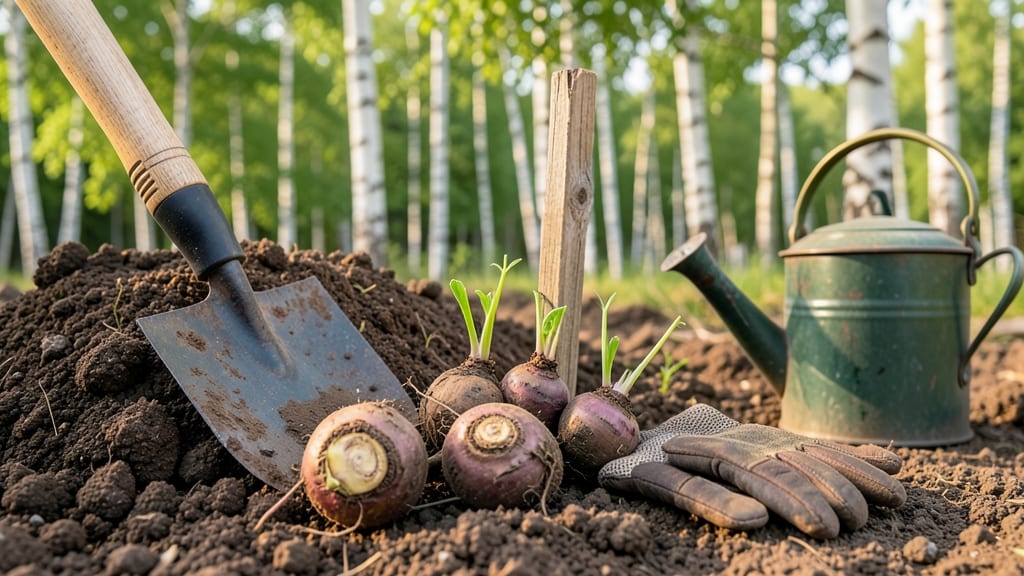
Planting dahlia bulbs in Massachusetts at the wrong time could mean the difference between a showstopping summer garden filled with vibrant 🌸 blooms and a season of disappointment.
The key isn't just waiting for spring—it's understanding your local frost dates, soil warmth, and regional microclimates that can shift planting windows by weeks.
Most gardeners in USDA Zone 6a know the general rule: wait until after the last frost, but Massachusetts' unpredictable weather adds complexity. If you plant too early, a late frost could damage tender shoots; too late, and your dahlias might not reach their full potential before fall.
The sweet spot? Aiming for mid-to-late May when soil temperatures consistently hit 60°F.
I've learned the hard way that container planting offers flexibility for urban gardeners or those with heavy clay soil. Whether you're tucking tubers into raised beds or pots, the principles remain the same: timing, soil prep, and a little patience.
Let me walk you through the exact steps to get your dahlias thriving from the moment you plant until those first blooms appear.
Ready to transform your garden? We'll cover everything from chitting bulbs indoors to recognizing the perfect planting moment—so you can enjoy those stunning dahlias from July through October without a hitch.
Massachusetts frost dates & ideal dahlia planting windows by region
Massachusetts' variable climate means dahlia planting windows shift dramatically between Boston's coastal chill and Western MA's inland warmth. Understanding your local frost dates and soil temperature thresholds is critical - dahlias thrive when planted after the last frost but before summer heat stress begins.
Let's break down the ideal planting timeline for your specific region.
Most of Massachusetts falls within USDA Zone 5-6a, but microclimates create significant differences. Urban areas like Boston often experience 2-3 weeks later last frost dates than rural Worcester or Western MA locations. Container gardeners also face unique challenges due to heat absorption in pots and limited soil volume.
Here's your region-specific planting guide including soil temperature requirements (minimum 60°F) and adjusted timelines for urban vs. rural areas:
| Region | Avg Last Frost | Planting Window | Soil Temp | Urban Adjustment |
|---|---|---|---|---|
| Boston & Eastern MA | May 1-15 | May 15-30 | 60-65°F | Plant 1-2 weeks later |
| Worcester & Central MA | April 25-May 5 | May 1-15 | 60°F+ | Standard timeline |
| Western MA (Pittsfield) | April 15-25 | April 25-May 10 | 58-62°F | Plant 1 week earlier |
| All Regions (Containers) | N/A | May 15-25 | 65°F+ | Use black pots |
For container planting, dahlias need larger pots (18"+ diameter) with excellent drainage to prevent root rot. Urban gardeners should use black containers which absorb more heat, allowing earlier planting. Soil temperature is more critical than air temperature - use a soil thermometer to verify readiness before planting.
In heavy clay soils common in Worcester, amend with compost and perlite to improve drainage. Sandy soils in Western MA benefit from organic matter additions to retain moisture. Always plant dahlias in full sun locations with at least 6 hours of direct sunlight daily for optimal bloom production.
If you're in Zone 5b areas (like North Adams), consider starting tubers indoors 4-6 weeks before your target planting date. Place them in bright light with 50-55°F temperatures to encourage early growth. Hardening off for 7-10 days before transplanting is essential to prevent shock.
Remember that microclimates can shift planting by 1-2 weeks. South-facing slopes warm up faster than north-facing gardens, while urban heat islands may allow earlier planting. Always monitor your local weather forecasts and be ready to cover plants if late frosts threaten after planting.
For extended bloom seasons, consider planting early-flowering varieties (like 'Café au Lait') in late April if your soil warms quickly, then follow with mid-to-late season varieties in early May. This staggered approach ensures continuous color from July through October.
Pro tip: Mark your calendar for October 15 - this is when first frost typically arrives in most of Massachusetts. Begin cutting back dahlias 2-3 weeks before frost and dig up tubers after leaves yellow to prevent winter rot.
Step-by-step timeline: from bulb prep to first blooms in Massachusetts
Massachusetts gardeners can transform dormant dahlia tubers into showstopping summer blooms by following a precise 12-week schedule.
Starting 6-8 weeks before your last frost date (typically mid-April for most regions), you’ll prep, chit, harden off, and plant—each step designed to sync with Massachusetts’ climate and avoid common pitfalls like late frosts or stunted growth. Let’s break it down week by week for foolproof results.
Your journey begins indoors in late March to early April, where you’ll wake up those tubers and encourage early sprouting. This head start ensures your dahlias hit the ground running once temperatures rise.
Skipping this step risks slow emergence or missed bloom seasons, especially in cooler Massachusetts springs. Think of it as giving your dahlias a running start against the clock.
🌱 12-Week Dahlia Timeline for Massachusetts
- Weeks 1-2 (Late March): Chitting Indoors – Place tubers in paper bags with 1/3 above soil in a bright, cool (60-65°F) spot. Keep moist but not soggy. ✅
- Weeks 3-4 (Early April): Sprout Check – Once 1-inch sprouts appear, move tubers to a sunny windowsill (south-facing). Rotate daily for even growth. 🌿
- Weeks 5-6 (Mid-April): Hardening Off – Acclimate plants to outdoors by placing them in partial shade for 2-3 hours/day, increasing time weekly. ☀️
- Week 7 (Late April): Soil Prep – Amend garden beds with compost and ensure soil temps reach 60°F+. Test drainage—dahlias hate soggy roots! 🪴
- Week 8 (Early May): Planting Day – Bury tubers 4-6 inches deep, spacing 12-18 inches apart. Water deeply and stake tall varieties (3+ ft) immediately. 💧
- Weeks 9-10 (May-June): Critical Care – Feed with balanced fertilizer (5-10-10) every 4 weeks. Mulch to retain moisture and prevent weeds. 🌱
- Weeks 11-12 (July-August): Bloom Time! – Deadhead spent blooms to encourage continuous flowering. Monitor for Japanese beetles and slugs—act fast with organic sprays. 🌼
📌 Pro Tip: Use a planting calendar to track your local last frost date—Western MA (e.g., Springfield) can plant 1-2 weeks earlier than Boston!
After planting in early May, your dahlias will need consistent care to thrive. Focus on watering deeply 2-3 times per week (morning is best) and staking tall varieties before they top 18 inches—this prevents wind damage and stem breakage, common in Massachusetts’ unpredictable weather.
A 3-foot bamboo stake or tomato cage works perfectly for most varieties.
Fertilizing is non-negotiable for maximum blooms. Start with a light feed at planting, then switch to a balanced 5-10-10 fertilizer every 4-6 weeks through July.
Stop feeding in early September to allow tubers to harden off for winter. Over-fertilizing late in the season leads to weak stems and fewer blooms—a common mistake in eager Massachusetts gardens.
By mid-July, your dahlias should burst into color, rewarding your patience with vibrant blooms that last until first frost. To extend the season, deadhead regularly (remove spent blooms) and protect plants with frost cloth if late-season temperatures dip.
In Zone 6a, this often means October surprises—some varieties bloom right up until the ground freezes!
Don’t let your dahlias become winter casualties. Once first frost hits (usually mid-October), cut back foliage to 6 inches, lift tubers, and store them in cool, dry conditions (like a garage) until next spring.
Label your tubers now—variety mix-ups are a common gardener’s regret! With this timeline, you’ll enjoy years of stunning dahlias in your Massachusetts garden. 🌸