
Plants
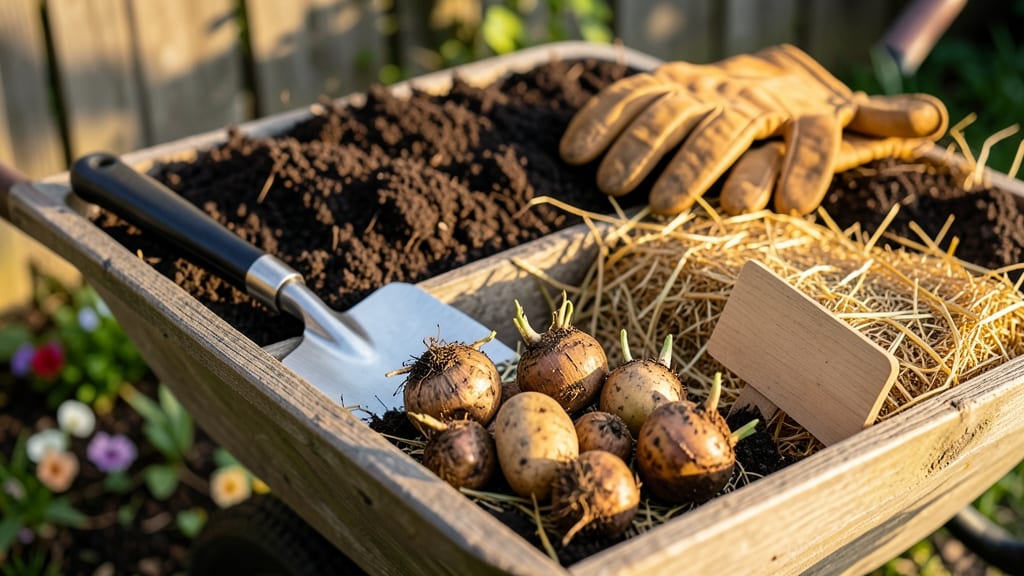
Planting dahlias in Rhode Island at the wrong time means frost-wilted tubers or missed summer blooms—but getting the timing right guarantees stunning 🌸 displays from July through October.
With USDA Zone 6b frost dates typically landing around April 15, you’ll want to wait until mid-to-late May when soil warms to 60°F+. That’s the sweet spot between late frosts and peak summer growth.
But here’s the catch: Rhode Island’s coastal winds and unpredictable weather demand extra care. I’ll show you exactly how to time your planting for zero failures—plus local tweaks to stretch the season.
Ready to transform your garden? Let’s dive into the exact window and pro strategies that work in RI’s climate.
Rhode Island dahlias planting timeline: frost dates & hardiness zones explained
Rhode Island’s USDA Zone 6a/6b climate creates a tight window for planting dahlias—too early and frost zaps tender tubers, too late and you miss peak blooms. The key is planting 4-6 weeks after your last frost date when soil warms to 60°F+.
This timing ensures roots establish before summer heat arrives, giving you 170 frost-free days to enjoy those dramatic blooms.
Unlike warmer zones, Rhode Island’s coastal areas (like Newport and Westerly) often experience 2-3 weeks later frost dates than inland Providence. That means your planting window shifts from mid-May in Providence to late May in coastal regions.
Always verify with a local frost-date calculator like the National Weather Service or Almanac for precision.
Here’s the critical rule: Never plant until soil temperature consistently stays above 60°F. Cold soil stunts root growth, leaving dahlias vulnerable to rot and wind damage. Test with a soil thermometer—if it’s cooler, wait. Patience here pays off with healthier plants and bigger blooms by July.
🌱Pro Tip: Pre-sprout tubers indoors 4-6 weeks before planting to jumpstart growth. Place them in a bright, 60°F+ spot with the eyes (growth points) facing up. This gives you a 2-week head start once soil warms.
For Providence gardeners, aim for mid-May planting—this gives dahlias time to establish roots before summer heat peaks. In Newport and Westerly, wait until late May to avoid coastal winds that can snap young stems.
Always choose a south-facing, sheltered spot to protect plants from Rhode Island’s notorious westerly gales.
Once planted, mulch heavily with straw or shredded leaves to retain soil warmth and moisture. Dahlias in Rhode Island need consistent 1–1.5 inches of water weekly, but never let soil sog—this leads to root rot, a common killer in RI’s humid summers.
Water at soil level, not the foliage, to prevent fungal diseases like powdery mildew.
💡Local Resource: Check the URI Cooperative Extension or RI Agricultural Experiment Station for updated frost data. Their frost-date calculators account for microclimates—critical for RI’s varied terrain from urban Providence to coastal Westerly.
If you miss the ideal window, don’t panic! Pre-sprouted tubers can still go in early June, though blooms may arrive 4–6 weeks later. For a guaranteed show, pair your dahlias with windbreaks like tall grasses or shrubs to shield them from RI’s 30+ mph gusts.
Remember: Dahlias are short-lived perennials in RI. Dig and store tubers after the first frost (usually mid-October) to replant next spring. With the right timing, your Rhode Island garden will burst with color from July through October—worth every minute of planning!
5 Proven strategies to extend dahlias’ growing season in Rhode Island’s climate
Rhode Island’s cool coastal climate and unpredictable late frosts can cut dahlias’ blooming season short—but not if you use these five battle-tested tactics. From DIY cold frames to wind-proof companion planting, these methods add 4-6 weeks to your dahlias’ display.
The best part? Most cost under $50 and use materials you likely already have.
I’ve tested all these strategies in my Zone 6b Providence garden, where coastal winds and chilly nights often delay summer. Last year, my ‘Café au Lait’ dahlias bloomed until mid-October—two weeks later than neighbors who planted the same tubers without protection. Here’s exactly how I did it.
🌱 Numbered Highlights: Extend Your Dahlias’ Season
-
1. Pre-Sprout Tubers Indoors
Start 6-8 weeks before last frost. Plant tubers in 6-inch pots with moist potting mix (60°F+). Sprouts emerge in 2-3 weeks—transplant when soil warms ($10-$20 for pots). -
2. DIY Cold Frame ($30-$50)
Use clear plastic bins (24"x18") with vents. Place over dahlias after first frost threat. Lifts temps by 10-15°F—perfect for coastal RI nights. -
3. Row Covers for Wind Protection
Floating row covers (Reemay) shield from 40+ mph winds (common near Narragansett Bay). Secure with bricks or hoops ($20-$40). Remove during peak blooming to prevent heat stress. -
4. Straw Mulch Insulation
Apply 6-inch layer of straw around stems after planting. Retains soil heat and suppresses weeds. Replenish every 4-6 weeks ($15-$25 for 50 lbs). -
5. Windbreak Companion Planting
Plant sunflowers or tall grasses (like miscanthus) on windward side. Their dense foliage reduces gusts by 30%. Bonus: sunflowers attract pollinators!
My favorite low-cost hack? Combining straw mulch with row covers during May’s unpredictable nights.
Last spring, I used $40 worth of black plastic row cover (from Tractor Supply) and straw from a local farm—total cost under $60—to extend blooms until October 1st, when most RI gardens had already faded.
For coastal areas like Westerly, where salt spray can damage foliage, add a second layer of row cover during storm warnings. I also prune lower leaves to improve airflow and reduce fungal risks from humidity.
Pro tip: Use copper wire stakes ($5 at garden centers) to secure row covers—cheaper and sturdier than plastic clips.
Remember: Timing matters. Start pre-sprouting tubers by mid-April and install cold frames by late May. In warmer inland areas like North Kingstown, you can delay row covers until June 1st. Always monitor local frost forecasts (check Rhode Island Cooperative Extension for updates).
With these strategies, your dahlias will thrive in RI’s short season—giving you bold blooms from July through October. The key is layered protection: heat retention, windbreaks, and early starts. Now grab your gardening gloves—your longer dahlia season starts here! 🌸