
Plants
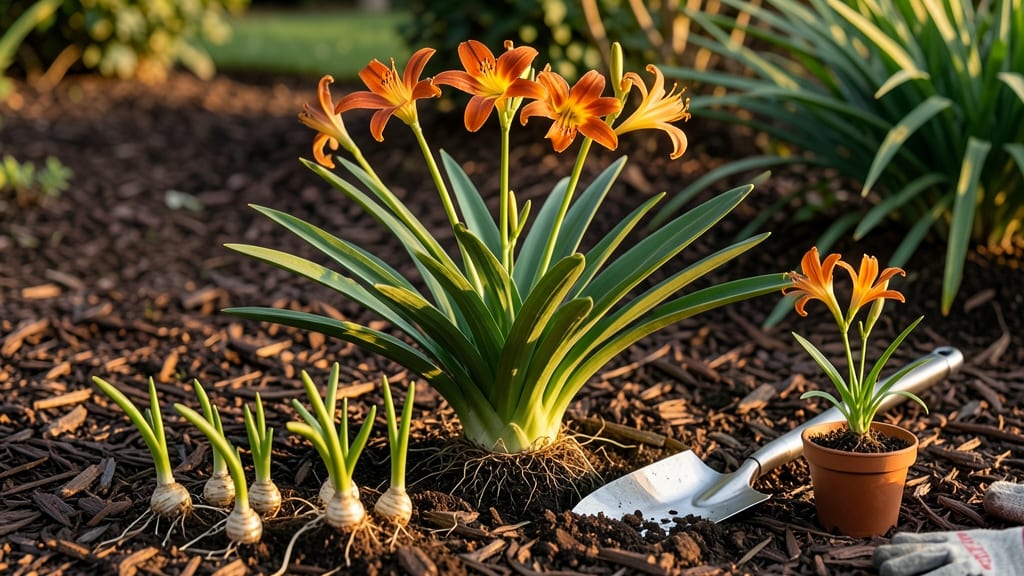
Planting daylilies at the wrong time in Georgia can mean the difference between a vibrant garden full of bold blooms and struggling plants that barely survive. These hardy perennials love the state's climate, but timing is everything—especially when you're working with zones 7b-8a and unpredictable weather shifts.
Most gardeners know spring and fall are ideal, but did you know early March to April and September to October are the sweet spots? These windows give daylilies 🌸 time to establish roots before summer heat or winter chill sets in.
The key is avoiding the hottest months when soil stays too dry and roots can't settle properly.
I've seen firsthand how planting too early—like February—can leave daylilies vulnerable to late frosts, while waiting until May means missing the optimal root growth period.
Georgia's 210-240 frost-free days give us a narrow but perfect window to work with, and I'll show you exactly how to make the most of it.
Ready to transform your garden? Let's dive into the best planting strategies tailored for Georgia's unique climate, so your daylilies thrive from the first bloom to the last frost.
Best months to plant daylilies in Georgia’s heat zones 7-8
Daylilies are one of Georgia’s most reliable perennials, but their planting timing can make or break your bloom success. In USDA Zones 7-8, the ideal windows are early spring and early fall, when soil temperatures hover between 50°F and 70°F.
Planting outside these times risks stunted growth or heat stress during Georgia’s sweltering summers.
Georgia’s climate varies dramatically from northern Atlanta (Zone 7b) to coastal Savannah (Zone 8a). In cooler northern areas, aim for March-April planting, while southern regions can extend fall planting into early October. The key is avoiding extreme heat or frost risks—both can shock young roots.
| Planting Window | Ideal Months | Soil Temp (°F) | Key Considerations | Regional Notes |
|---|---|---|---|---|
| Early Spring | March-April | 50-65°F | Avoid frost; roots establish before summer heat | Atlanta: Late March; Savannah: Early March |
| Early Fall | September-October | 60-70°F | 6-8 weeks before first frost; roots harden before winter | Atlanta: Early October; Savannah: Mid-October |
| Avoid | May-July | >85°F | Heat stress; poor root establishment | Exception: Bare-root divisions in late summer |
| Marginal | February/November | 40-55°F | Risk of frost; slower growth | Use frost cloth if planting in November |
For spring planting, time it so that daylilies have 6-8 weeks of warm soil before summer’s peak heat. In Zone 7b (northern Georgia), this means late March is safer than February, when late frosts can still occur.
Monitor your local frost dates—Atlanta’s average last frost is March 15, while Savannah’s is March 1.
Fall planting offers a second chance for stronger root systems before winter. Aim to plant 6-8 weeks before your area’s first frost. In Zone 8a (Savannah), this extends to early October, while Zone 7b gardeners should finish by mid-September.
The goal is to give roots time to establish before dormancy.
Daylilies planted in late summer (August) can still thrive if you use bare-root divisions and provide extra mulch. However, avoid planting container-grown daylilies in August—they’ll struggle with heat stress and transplant shock.
If you must plant in summer, choose early August and water deeply every 3 days until roots establish.
One of my biggest mistakes was planting daylilies in May—they wilted under 90°F+ soil temperatures and took 2 years to recover. Since then, I’ve stuck to March-April and September-October, and my plants now bloom prolifically with larger flowers each year.
The difference in root health is night and day!
After planting, focus on mulching (2-3 inches of pine straw) to retain moisture and regulate soil temperature. In Zone 8a, mulch also protects roots from winter chill. For container-grown daylilies, use well-draining pots and keep them in partial shade during peak summer until roots establish.
Pro tip: If you’re dividing established daylilies, spring or fall are ideal too—but avoid summer divisions, as the crowns dry out quickly in Georgia’s heat. I’ve found that September divisions produce the
How to prepare Georgia soil for daylily planting success
Georgia’s clay-heavy soil and humid climate can challenge daylily growth, but with the right prep, your plants will thrive. The key is creating a well-draining, nutrient-rich environment that mimics their natural woodland habitats.
Start by testing your soil’s pH level—daylilies prefer 6.0 to 6.5, and Georgia’s native soil often runs slightly acidic.
If your soil is too dense, amend it with organic matter like compost or aged manure. This improves both drainage and aeration, preventing root rot in Georgia’s frequent rain.
Work in 2-3 inches of compost into the top 12 inches of soil, mixing thoroughly to create a loose, crumbly texture that daylilies love.
🔹 STYLED LIST: Georgia Soil Prep Checklist
- 🌱 Test pH: Aim for 6.0-6.5—use lime to raise or sulfur to lower.
- 🪴 Break up clay: Till in compost or sand to improve drainage.
- 💧 Add mulch: 3-inch layer of pine straw or shredded leaves to retain moisture.
- ☀️ Choose location: Full sun (6+ hours) for vibrant blooms.
- ✂️ Plant crowns: Set just above soil—never bury the top.
Georgia’s high humidity demands extra attention to drainage and airflow. If your yard floods after rain, consider raised beds or mounds to elevate daylilies. Add perlite or coarse sand to heavy clay spots for better water flow.
After planting, top with 3 inches of mulch (pine straw or wood chips) to lock in moisture and suppress weeds.
For maximum blooms, feed daylilies with a balanced fertilizer (10-10-10) in early spring and again after flowering. Georgia’s nutrient-rich soil often needs a boost—especially in sandy areas where nutrients wash away quickly. A slow-release organic fertilizer works best for steady growth.
Finally, water deeply but infrequently—daylilies hate soggy roots. Aim for 1 inch of water per week, delivered in the morning to reduce fungal risks. In Georgia’s summer heat, water at the base of plants to avoid wetting foliage, which can attract pests.
With these soil prep steps, your daylilies will establish strong roots and reward you with bold, long-lasting blooms all season. The key is patience and preparation—Georgia’s climate is forgiving once you give your plants the right start! 🌸