
Plants
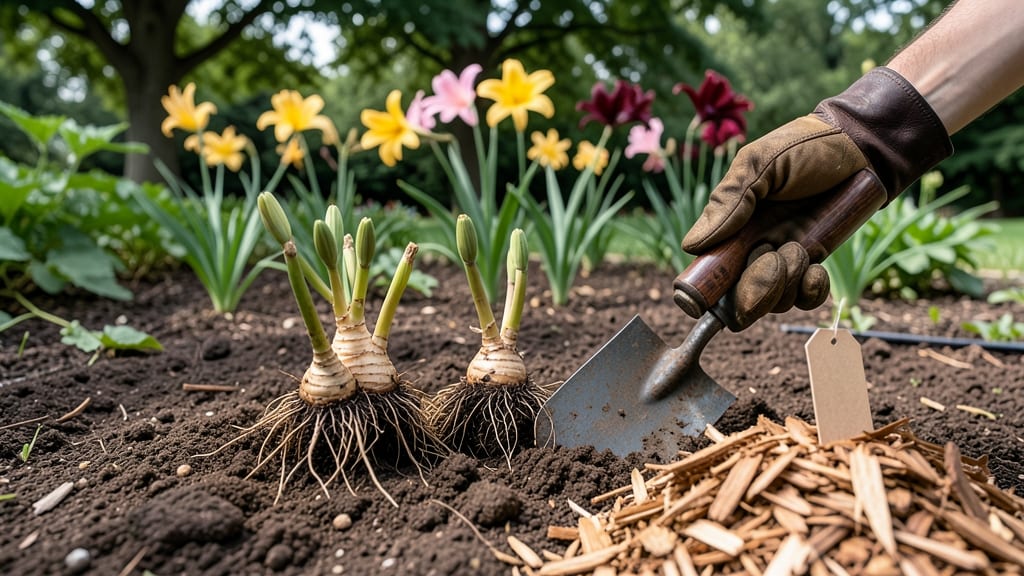
Planting daylily bulbs at the wrong time in Zone 8 could mean waiting years for those stunning 🌸 blooms—or worse, losing them entirely. The key to success isn’t just choosing the right month, but understanding when your soil warms up enough to support strong root growth without frost risk.
For Zone 8 gardeners, the ideal window opens in early spring after the last frost—typically around March 15—when soil temperatures consistently reach 50°F-60°F. But timing isn’t just about dates; it’s about soil conditions that let those rhizomes establish roots before summer heat arrives.
I’ve learned the hard way that planting too early risks frost damage, while waiting too long can stunt growth. The solution? A 3-step soil check that ensures your daylilies thrive from day one—no guesswork needed.
Let’s break down exactly when to plant, how to prep your soil, and the critical care steps that make all the difference in Zone 8’s mild but unpredictable climate.
Zone 8 daylily planting timeline: soil temperature rules for perfect timing
Daylilies in Zone 8 have a 6-week window for planting, but timing is everything. The soil temperature threshold of 50°F-60°F determines when your rhizomes will establish roots without frost damage.
Plant too early, and you risk cold stress—too late, and your blooms may suffer. Let’s break down the perfect window.
In Zone 8, the last average frost date typically falls around March 15, but soil warms more slowly. A soil thermometer is your best friend—wait until readings hit 55°F+ before planting.
This usually aligns with late March to early April, but microclimates (like urban heat islands) can shift this by 1-2 weeks.
| Planting Window | Soil Temp (°F) | Frost Risk | Best For |
|---|---|---|---|
| Early Spring (Feb-Late March) | 45°F-50°F | High (if frost occurs) | Urban microclimates only |
| Ideal Window (Late March-Early April) | 55°F-60°F | Low | Best blooms, strong roots |
| Late Spring (May-June) | 65°F+ | None | Catch-up planting |
The ideal planting window—late March to early April—gives daylilies 6-8 weeks to establish roots before summer heat arrives. Planting in February risks frost damage, while May-June planting may lead to smaller blooms that year.
For container-grown daylilies, extend your window by 2 weeks since pots warm faster.
Pro tip: If your soil stays below 50°F past April, use black plastic mulch to warm the soil 5°F-10°F faster. This trick lets you plant 2 weeks earlier without frost risk. Just remove the mulch after 6 weeks to avoid overheating roots.
Zone 8’s first frost usually hits November 15, but daylilies handle light frosts. If you’re fall-planting (not ideal), aim for October when soil cools to 60°F-65°F. However, fall-planted rhizomes may need extra mulch to insulate through winter.
For urban gardeners, pavement and buildings create heat islands that can push soil temps 5°F-10°F higher than rural areas. Test your soil in morning shade—if it’s 55°F+ by April 1, you’re safe to plant. Rural gardeners should wait until April 15 for safety.
One common mistake? Planting too deep. Daylily rhizomes should sit 1-2 inches below soil—any deeper, and they’ll rot. Use a spading fork to loosen soil to 12 inches deep before planting. Amend with compost to improve drainage, especially in clay-heavy soils common in Zone 8.
After planting, water deeply once weekly for 4 weeks to encourage root growth. Avoid overhead watering—drip irrigation or soaker hoses prevent fungal diseases like rust, which thrives in Zone 8’s humid summers. Mulch with 2-3 inches of straw to retain moisture and regulate soil temp.
By following these soil temperature rules, your daylilies will reward you with bold blooms by summer. The key? Patience—wait for that 55°F soil, and your rhizomes will thank you with vibrant, long-lasting flowers all season. 🌸
5 Critical soil conditions that determine daylily success in Zone 8
Daylilies in Zone 8 demand more than just mild winters—their soil conditions directly impact root growth, bloom quality, and long-term survival. While soil temperature gets most of the attention, moisture balance, drainage efficiency, and organic matter levels are equally critical.
Ignore these, and you’ll end up with rotting rhizomes or sparse flowers despite perfect timing.
Let’s break down the five non-negotiable soil conditions that separate thriving daylilies from struggling ones. These aren’t just guidelines—they’re the foundation for zero-frost success in your Zone 8 garden. Start by testing your soil’s pH (6.0–7.0 ideal) and organic matter (3–5% minimum) before planting a single rhizome.
- 1. Moisture Consistency: Maintain even moisture (never soggy) during root establishment. Overwatering in Zone 8’s humid summers leads to rhizome rot—a silent killer.
- 2. Drainage Rate: Soil must drain within 2–4 hours after watering. Test with a percolation test: Dig a 12" hole, fill with water, and time drainage. Clay-heavy soil? Amend with perlite or coarse sand.
- 3. Organic Matter: Aim for 3–5% organic content (compost or well-rotted manure). Less than 3%? Mix in 2–3 inches of compost before planting. More than 5%? Balance with sand or grit to prevent compaction.
- 4. Aeration: Loosen soil to 12–18 inches deep to prevent root suffocation. Use a broadfork or till in gypsum if soil is compacted. Zone 8’s heat accelerates compaction—don’t skip this step!
- 5. pH Stability: Daylilies thrive in slightly acidic to neutral soil (pH 6.0–7.0). Test your soil—if pH < 6.0, add lime; if pH > 7.0, mix in sulfur or peat moss. Unstable pH stresses roots and reduces blooms.
Now, let’s troubleshoot the most common mistakes that sabotage daylily success in Zone 8. Overwatering is the #1 culprit—many gardeners assume "more water = better blooms," but waterlogged soil drowns rhizomes in just 48 hours.
Use a moisture meter to check soil depth; aim for 60% moisture retention at planting.
Another pitfall? Skipping mulch in Zone 8’s hot summers. A 3-inch layer of straw or pine needles retains moisture, regulates soil temp, and suppresses weeds. Without mulch, soil can fluctuate 20°F+ daily, shocking young roots. Apply mulch after soil warms to 60°F+ to avoid trapping cold.
For container-grown daylilies, drainage is non-negotiable. Use pots with drainage holes and a minimum 50% potting mix (e.g., 50% peat moss, 30% perlite, 20% compost). Terracotta pots dry faster but crack in freeze-thaw cycles—opt for plastic or fiberglass for Zone 8’s mild winters.
Finally, amend soil gradually. Dumping 10 gallons of compost in a hole won’t help—it creates anaerobic pockets that rot rhizomes. Instead, mix amendments into the top 12 inches of soil 2–4 weeks before planting. This gives microbes time to break down organic matter, preventing nutrient burns.
Master these five soil conditions, and your Zone 8 daylilies will reward you with bold blooms and vigorous growth—no matter the season. Start testing your soil today, and watch your daylilies thrive where others fail. 🌸