
Plants
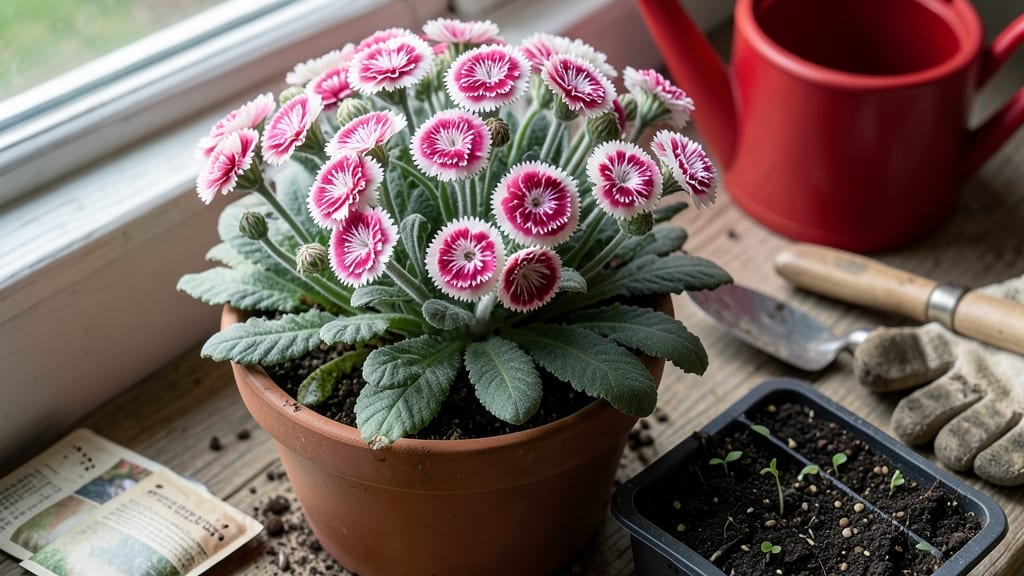
Most gardeners in USDA zones 10-11 (like Sydney or Darwin) swear by spring (August-October) or early autumn (February-March) as the sweet spot.
But here's the catch: coastal areas like Perth can handle slightly earlier sowing, while inland spots near Canberra need to wait until after March 1st to avoid heat shock.
I've tested both direct sowing and indoor starting methods across different regions, and the results are eye-opening. Whether you're dealing with 300+ frost-free days or sudden temperature swings, I'll show you exactly how to time your planting for zero frost risk and maximum flower power.
Ready to transform your garden with vibrant 🌸 Dianthus? Let's dive into the coastal vs inland planting secrets that'll have your flowers thriving year after year—no guesswork required.
Optimal dianthus seed planting dates by australian climate zone
Australia’s diverse climate zones create wildly different conditions for growing dianthus from seed. Coastal areas like Sydney and Perth enjoy milder winters with rare frost, while inland cities like Canberra and Broken Hill face harsh frosts and extreme heat.
These differences shift ideal planting windows by 4–8 weeks, so let’s break it down for your region.
For coastal gardeners, focus on spring (August–October) and early autumn (February–March) when soil temperatures hover between 15–20°C. Inland growers should aim for late spring (September–October) to avoid early frosts, with a backup window in late autumn (April–May) for hardier varieties. Let’s compare these timelines in detail.
Pro Tip: Always check your local Bureau of Meteorology frost warnings before sowing. Even coastal areas can experience unexpected cold snaps.
| Climate Zone | Best Planting Window | Soil Temp (°C) | Frost Risk | Rainfall Pattern |
|---|---|---|---|---|
| Coastal (Sydney, Melbourne, Perth) | August–October February–March |
15–20°C | Low (rare frost) | Moderate (spring rains) |
| Inland (Canberra, Adelaide, Broken Hill) | September–October April–May |
12–18°C | High (frost risk) | Low (dry summers) |
| Subtropical (Brisbane, Gold Coast) | June–July August–September |
18–22°C | None | High (summer humidity) |
| Tropical (Darwin, Cairns) | May–June September–October |
20–25°C | None | Seasonal (wet/dry) |
In coastal regions, August–October is ideal because mild temperatures and increased rainfall create perfect conditions for dianthus seed germination. The soil stays consistently moist without the risk of waterlogging, and daytime highs rarely drop below 18°C.
For example, Sydney gardeners can start seeds outdoors in late August and expect blooms by December.
Inland areas like Canberra must wait until September–October to avoid frost damage. The soil warms more slowly, so use seedling trays under shade cloth until mid-October. If you’re in a high-altitude area (e.g., Kingston), delay planting until late October when nighttime temperatures stay above 5°C.
Subtropical zones like Brisbane have a unique advantage: they can plant twice a year. June–July offers cooler weather, while August–September aligns with the start of the dry season. Use 50% shade cloth in summer to protect seedlings from intense sun.
Tropical regions like Darwin should focus on May–June and September–October to avoid the wet season’s fungal risks. The key is maintaining consistent moisture without letting seeds sit in standing water. A well-draining mix of coconut coir and perlite works best.
Regardless of your zone, always harden off seedlings for 7–10 days before transplanting. Coastal plants need wind protection (use bamboo stakes), while inland varieties benefit from mulching to retain moisture during hot days.
For maximum blooms, time your planting to align with local pollinators. In Perth, August-sown seeds attract bees by October, while Canberra’s April planting ensures spring pollination. Watch for bud formation—this signals your dianthus is ready to thrive!
🌸
How to adjust planting timing for coastal vs inland microclimates
Coastal and inland regions in Australia create dramatically different growing conditions for dianthus seeds.
Coastal areas like Sydney or Perth enjoy milder winters with higher humidity and moderate winds, while inland spots such as Canberra or Broken Hill face colder nights, drier air, and harsher sun exposure.
These differences can shift your ideal planting window by 4–8 weeks, so understanding your microclimate is key to success.
For coastal gardens, the optimal planting window for dianthus seeds stretches from late August to early October, aligning with spring's mild temperatures and consistent rainfall. Inland areas, however, should aim for mid-September to mid-November to avoid late frosts while still catching the early rains that trigger growth.
The key is to plant when soil temperatures hit 12–15°C—coastal regions often reach this 2–3 weeks earlier than inland zones.
⚠️ WARNING: Coastal vs Inland Pitfalls ⚠️
To fine-tune your schedule, check your local Bureau of Meteorology data for average frost dates and soil temperature trends. Coastal areas like Brisbane or Melbourne rarely see frost, so you can plant as early as August.
Inland regions like Adelaide or Alice Springs, however, should wait until mid-September to avoid sub-zero night temps. Use a soil thermometer to confirm 12–15°C—this is your green light to sow seeds, whether in well-draining pots or prepared garden beds.
Another critical factor is rainfall timing. Coastal regions often experience winter rains, making late winter to early spring ideal for pre-sprouting seeds indoors. Inland areas, however, rely on summer monsoons, so late spring planting (October–November) ensures seedlings have moisture when they emerge.
If your area has unpredictable rainfall, use a drip irrigation system to maintain consistent soil moisture during germination.
For coastal gardeners, prioritize well-draining soil mixes with perlite or sand to prevent root rot from high humidity. Inland growers should amend soil with compost or coconut coir to retain moisture.
Both groups benefit from mulching—coastal areas use straw mulch to reduce salt buildup, while inland gardens opt for wood chip mulch to conserve water.
Adjust your fertilizer schedule too: coastal plants may need less frequent feeding due to nutrient-rich air, while inland plants thrive on monthly balanced fertilizer.
Finally, monitor local wind patterns. Coastal winds can blow seeds away or dry out seedlings, so use seedling trays with clear domes until roots establish. Inland areas face hot afternoon winds, which can scorch young leavesafternoon shade for the first 6 weeks.
By aligning your planting with these microclimate factors, you’ll give your dianthus seeds the best chance to thrive, whether you’re near the ocean breeze or under the inland sun.