
Plants
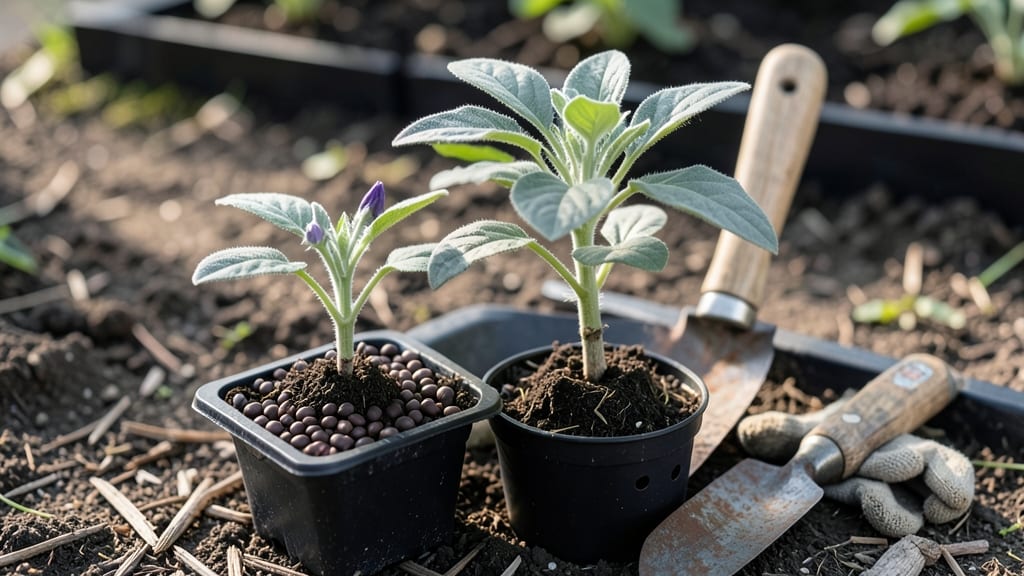
Planting eggplant in North Carolina at the wrong time can mean the difference between a fast, thriving harvest and wasted effort. Unlike cooler crops, eggplants 🍆 demand warm soil—at least 60°F—to germinate properly, and rushing them too early often leads to stunted growth or seed failure.
If you've ever watched your eggplant seeds sit stubbornly in the soil for weeks, only to finally sprout when it's already too late in the season, you know how critical timing really is.
The key isn't just the calendar date—it's the soil temperature, which varies dramatically across NC's microclimates from the coast to the mountains.
What most gardeners don't realize is that even within the same county, your eggplant's success hinges on whether you're planting seeds directly or transplanting starts—and when those young plants hit the ground can make or break your harvest.
I'll show you exactly how to read your soil's temperature cues so you can time your planting for maximum speed from seed to table.
From coastal Charleston's longer growing season to the Piedmont's shorter window, we'll cover the precise windows that work for NC gardeners.
You'll learn which varieties mature fastest in our heat, how to adjust for late frosts, and why waiting just a few more weeks for warmer soil can save you from disappointment.
NC eggplant planting calendar: best months by soil temperature
North Carolina’s diverse climate zones—from the coastal plains to the mountains—create unique eggplant planting windows. The key to success? Soil temperature between 60°F and 85°F for optimal germination and growth.
Planting too early risks cold soil and poor sprouting, while waiting too long may shorten your harvest before fall frost.
Eggplants are warm-season crops, so timing matters whether you’re starting seeds indoors or transplanting young plants. In coastal NC (Zone 8), you can plant as early as late March, while mountain regions (Zone 6-7) should wait until mid-May.
The Piedmont falls somewhere in between, with ideal windows in April-May.
Here’s your NC eggplant planting calendar broken down by region and soil temperature thresholds:
For transplants, aim to plant when soil hits 60°F—this gives roots time to establish before summer heat arrives. If starting seeds indoors, begin 8-10 weeks before your region’s last frost date, then harden off seedlings before transplanting.
In coastal NC, where humidity is high, prioritize airflow and disease-resistant varieties like 'Ichiban' or 'Black Beauty'. Mountain gardeners should opt for compact varieties like 'Fairy Tale' to avoid stunted growth from cooler nights.
Pro tip: Use a soil thermometer to confirm warmth before planting. Cold soil slows germination, while overly hot soil (above 90°F) can stress seedlings. If your soil is too cold, wait or use black plastic mulch to warm it faster.
Don’t forget about late summer planting! While riskier, a second crop in July-August can yield fruit before frost—just be prepared for shorter daylight and faster maturation. Choose heat-tolerant varieties like 'Rosa Bianca' for best results.
Whether you’re a coastal gardener or a mountain farmer, aligning your eggplant planting with soil temperature ensures stronger plants, faster growth, and a longer harvest window. Mark your calendar and grab that soil thermometer—your eggplant dreams are about to come to life!
How to test soil temperature for eggplant success in NC
Eggplants are heat-lovers, and in North Carolina, soil temperature makes or breaks their success. Ideal germination happens between 60-85°F, but cold soil delays sprouting or kills seedlings.
I’ve learned the hard way—planting too early in cooler Piedmont areas means wasted seeds. Let’s fix that with simple, accurate testing methods.
You don’t need fancy tools to check soil warmth. A soil thermometer (digital or analog) is your best friend, but even a DIY thermometer made from a thermostat and probe works.
For quick checks, press your finger into the soil—if it feels warm like a hot bath (about 70°F+), it’s ready. Just remember, surface temps can trick you; test 2-3 inches deep where roots will grow.
Here’s my pro tip: Check soil temps in the late afternoon when it’s warmed by the sun. If you’re in Zone 7b (like Raleigh), aim for mid-May to early June.
Coastal areas can plant 2 weeks earlier thanks to milder nights, while mountain regions may need to wait until late June. Always adjust for your microclimate!
⚠️ WARNING: COLD SOIL TRAPS Cold soil (50°F or below) can cause seed rot or delayed germination for weeks. Even if air temps feel warm, soil holds chill longer—especially in shady spots or after late spring frosts.
If your thermometer reads below 60°F, wait 1-2 weeks or use black plastic mulch to warm the soil faster. Never plant when soil is damp and cold—this is a recipe for failure.
For transplants, soil should be at least 65°F before moving them outdoors. Harden off seedlings indoors first, but don’t rush—shocked plants wilt and struggle to recover. If a heatwave hits after planting, mulch heavily to keep roots cool.
I once lost a batch of ‘Ichiban’ eggplants in 90°F+ soil—they bolted (flowered too fast) and produced bitter fruit. Balance is key!
Pro gardeners use soil warming tricks like clear plastic tunnels or dark-colored containers to speed up warming. If you’re starting seeds indoors, keep them under grow lights until soil hits 70°F before transplanting.
For container gardening, black pots absorb heat faster than white ones. Test temps in the deepest pot layer where roots will grow—this is often warmer than outdoor soil.
Adjust your planting schedule based on real data, not just calendar dates. If a late frost warning pops up, cover soil with row fabric to protect warmth. And if temps spike above 90°F, provide afternoon shade to prevent stress.
By mastering soil temp checks, you’ll double your eggplant success rate—no more guesswork, just healthy, productive plants. 🌱