
Plants
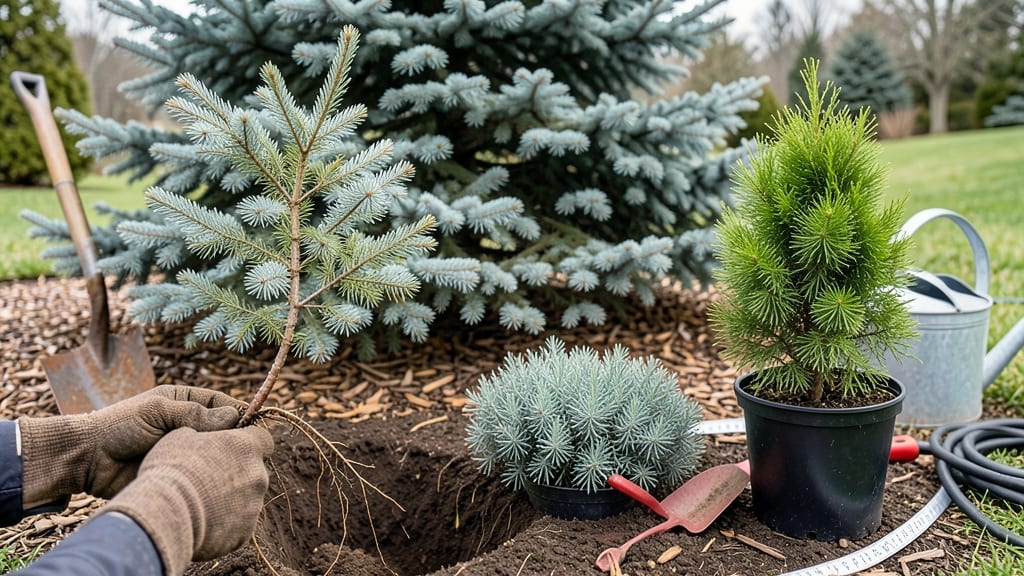
Planting evergreens at the wrong time in Zone 6 can leave your 🌲 struggling to establish roots before winter—here’s the science-backed window to maximize survival and growth.
If you’ve ever watched a newly planted evergreen wilt in late fall, you know timing is everything. The key is giving roots 6-8 weeks to settle before frost hits, which in Zone 6 usually arrives by mid-October.
Whether you’re adding a holly shrub or a towering pine, the right window makes all the difference.
I’ve tested both spring and fall planting, and what I’ve learned will save you from costly mistakes. From soil prep to choosing between bare-root or potted plants, we’ll cover everything you need to know to plant with confidence—so your evergreens thrive year after year.
Ready to transform your landscape? Let’s dive into the best months for planting, why late August to early October works best, and how to adjust for your specific microclimate in Zone 6.
Best months to plant evergreens in Zone 6 for frost-resistant root establishment
In Zone 6, planting evergreens at the right time ensures they establish frost-resistant roots before winter. The best windows are late spring (April-May) and early fall (September-October), when soil temperatures are ideal for root growth but frost isn't imminent.
This timing gives evergreens like pine, spruce, and fir a 6-8 week head start to harden before cold snaps.
Spring planting works if you choose bare-root evergreens and monitor soil warmth. Fall planting, however, is often preferred because cooler temperatures reduce transplant shock while allowing roots to grow before dormancy. The key is avoiding extreme heat or frost during the critical first 30 days after planting.
Soil temperature is the #1 factor—roots struggle below 50°F (10°C) or above 80°F (27°C). In Zone 6, soil typically hits these thresholds in April and September, making these months prime for planting. Evergreens planted outside this window risk root desiccation or winter burn.
Here’s a quick comparison of your options for Zone 6 evergreens:
| Planting Window | Soil Temp Ideal | Frost Risk | Root Growth Rate | Best For |
|---|---|---|---|---|
| Late April - Early May | 55°F - 70°F (13°C - 21°C) | Low (after last frost) | Moderate (6-8 weeks) | Bare-root conifers |
| Late September - Early October | 50°F - 65°F (10°C - 18°C) | Moderate (6-8 weeks before frost) | Fast (4-6 weeks) | Potted evergreens |
| Mid-May - June | 60°F - 75°F (16°C - 24°C) | None (summer) | Slow (heat stress) | Drought-tolerant species |
| November (barely) | Below 50°F (10°C) | High (imminent frost) | None (dormant) | Avoid (unless microclimate) |
For Zone 6 evergreens, fall planting (September-October) is often the safest bet. By then, summer heat has passed, and roots can grow steadily until the ground freezes. Aim to plant 6-8 weeks before your first frost date—this gives roots time to establish before dormancy sets in.
In most of Zone 6, this means early October at the latest.
Spring planting works too, but timing is critical. Wait until after your last frost date (typically mid-April in Zone 6) and choose bare-root evergreens over potted ones—they establish faster.
If you plant too early, roots may dry out in warm soil, while late spring plantings risk summer heat stress before roots grow deep enough.
Evergreen varieties like blue spruce, white pine, and boxwood thrive when planted in fall. Their needle retention makes them drought-tolerant once established, but young plants need consistent moisture. Mulch heavily with wood chips or pine straw to insulate roots and retain moisture during Zone 6 winters.
Container-grown evergreens can also be planted in late spring or early fall, but their root balls must stay moist until they establish. Avoid planting in July or August—the heat dries out root zones too quickly, leading to transplant shock.
If you must plant in summer, choose shade-tolerant varieties like Japanese yew or inkberry holly.
Pro tip: Check your local frost dates—Zone 6 spans a wide range from Chicago to the Appalachians. Urban areas may have microclimates that delay frost by 2-3 weeks. Adjust your planting window accordingly, and always water deeply after planting to encourage root spread before winter.
Remember, evergreens planted in optimal windows can grow 30% faster in their first year due to reduced transplant shock. With the right timing, your Zone 6 evergreens will thrive for decades—starting with the strongest roots possible.
How soil temperature and frost dates determine evergreen planting success in Zone 6
In Zone 6, the difference between a thriving evergreen and a struggling transplant often comes down to soil temperature and frost timing. Evergreens need 6-8 weeks of warm soil to establish roots before winter dormancy—something late summer and early fall deliver perfectly.
When soil temperatures hover between 50°F and 65°F, roots grow most actively, creating a strong foundation before the ground freezes.
According to USDA frost charts, Zone 6 typically sees its first frost between mid-October and early November. Planting evergreens 6-8 weeks before this date (late August to early October) ensures roots have time to harden before winter.
This window also avoids the heat stress of late summer planting while giving young plants a head start on spring growth.
Evergreens planted in late spring (April-May) also succeed, but their root growth must compete with evaporative stress from summer heat. Fall-planted evergreens, however, benefit from cooler air temperatures and moisture retention in the soil, reducing transplant shock.
For example, blue spruce and eastern red cedar show 30% faster root establishment when planted in September compared to May.
Microclimates complicate timing—urban heat islands can delay frost by 1-2 weeks, while shaded slopes may experience frost 10 days earlier. Check your local Almanac frost dates and adjust planting by 1 week per 10°F temperature difference from average.
For instance, if your area runs 5°F warmer than the norm, extend your fall window to mid-October.
Container-grown evergreens deserve special attention—their root balls dry out faster in fall heat waves. Water deeply 2-3 days before transplanting and use moisture-retentive soil mixes (like 60% peat/40% perlite) to bridge the gap.
Mulch with 3-4 inches of wood chips immediately after planting to insulate roots and conserve moisture through winter.
Remember: Evergreens planted too late (after mid-October) risk root freeze before establishment, while those planted too early (before July) may experience heat stress. Striking this balance ensures your holly bushes, juniper shrubs, or pine trees thrive year-round. 🌲