
Plants
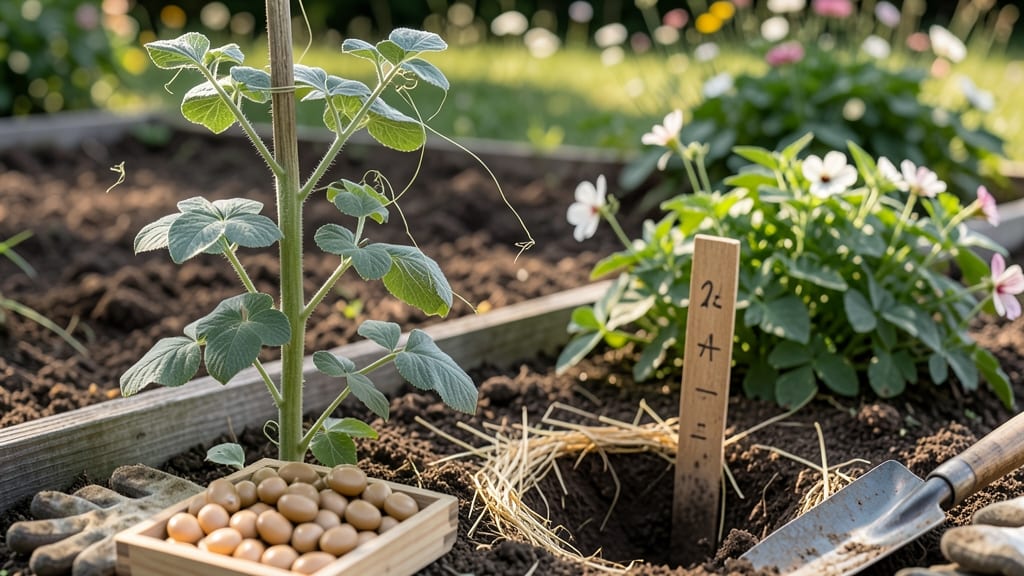
Planting fava beans at the wrong time in Zone 8 can mean the difference between a bountiful harvest and wasted effort—especially when mild winters and summer heat play tricks on your schedule.
These cool-weather lovers 🌱 need precise timing to avoid frost damage or wilting pods, and getting it right starts with knowing exactly when to put seeds in the ground.
Fall planting offers a head start, but rushing too early can leave young plants vulnerable to unexpected cold snaps. Meanwhile, spring planting risks summer heat stress if you wait too long.
I’ve tested both approaches in Zone 8’s climate, and the results show which window gives you the best chance for survival and productivity—without guessing.
What you’re about to discover isn’t just about months on a calendar. It’s about soil temperatures, frost dates, and even microclimates in your garden that can shift your planting strategy.
Let’s break down the exact fall and spring windows that work in Zone 8, plus pro tips to protect your crop from both ends of the temperature spectrum.
Ready to stop second-guessing your schedule? By the end of this, you’ll know whether to grab those seeds in September or wait for February—and how to set them up for success either way.
Optimal fall planting times for fava beans in Zone 8
Fava beans love Zone 8’s cool fall weather, but timing is everything to avoid frost damage or overwintering failures. Plant too early, and your seedlings may bolt before winter. Too late, and they won’t establish roots before first frost.
The sweet spot? Late September to early October—when soil temps hover between 50°F and 65°F—gives fava beans enough time to germinate and grow a 2-inch root system before dormancy. This ensures they’ll bounce back in spring with vigorous growth and higher yields.
For gardeners in Zone 8a (milder winters), you can push planting to mid-October if your last frost date is after January 15. In Zone 8b (colder winters), stick to early October to avoid hard freezes below 15°F.
Fava beans are frost-tolerant, but young seedlings (1-inch tall) can’t handle prolonged cold snaps. Use a row cover if temperatures dip unexpectedly.
Here’s the key: Fava beans need 60-90 days to mature, but they’ll pause growth in winter. Planting in late fall (November) is risky unless you’re using pre-sprouted seeds, which can survive light frosts but may rot in soggy soil.
For best results, aim for early fall planting and let nature handle the rest—your beans will overwinter and reward you with early spring harvests.
| Planting Window | Soil Temp Range | Frost Risk | Growth Stage Before Dormancy | Best For |
|---|---|---|---|---|
| Late September | 50°F–65°F | Low (Zone 8a) | 2–3 inch seedlings | Maximum spring yield |
| Early October | 45°F–60°F | Moderate (Zone 8b) | 1–2 inch seedlings | Balanced risk/reward |
| Mid-October | 40°F–55°F | High (if early frost) | Germination only | Pre-sprouted seeds only |
| November (Risky) | Below 40°F | Very High | None (frost damage) | Not recommended |
To extend your fall planting window, try soil warming tricks. Black plastic mulch can raise soil temps by 5–10°F, letting you plant 2 weeks later without risk. Another pro tip: soak seeds overnight before planting in cool soil—this jumpstarts germination and gives seedlings a head start.
Just avoid waterlogged soil, which causes root rot and kills young plants before winter.
Zone 8’s mild winters mean fava beans can sometimes survive light frosts after planting, but don’t count on it. A 32°F freeze might not kill mature plants, but tender seedlings (1-week old) will crisp.
Use straw mulch (3–4 inches thick) to insulate roots and protect soil moisture during dry winter spells. This simple step can mean the difference between survival and failure.
One mistake I see often? Planting fava beans too deep in fall. Seeds need 1–2 inches of soil cover for ideal germination, but deeper planting delays sprouting and exposes them to cold soil.
If your garden has heavy clay, amend with compost to improve drainage—fava beans hate soggy roots. A well-draining bed ensures they’ll establish before winter rains set in.
For maximum harvests, pair fall planting with spring succession planting. While your fall beans overwinter, sow a second batch in February for a summer harvest. This double-crop strategy stretches your growing season and reduces waste.
Just remember: spring planting avoids winter risks but requires shade cloth in late spring to prevent heat stress.
If you’re new to fava beans, start small with 3–5 plants in fall to test your timing. Note when they sprout, how they handle frost, and when they re-grow in spring.
Over time, you’ll dial in the perfect window for your microclimate. And if all else fails? Pre-sprouted seeds are your backup plan—they’ll survive colder soils and give you a head start on growth.
With the right timing, your Zone 8 fava beans will thrive through winter and deliver sweet, tender pods by spring. The key? Plant
Spring planting strategies for fava beans in Zone 8
Spring planting often yields better fava bean harvests in Zone 8 than fall, thanks to milder temperatures and fewer frost risks. The key is timing—plant too early, and seedlings face heat stress; too late, and you miss the optimal cool-season window.
My strategy focuses on staggered plantings and companion planting to extend your harvest through summer.
Start seeds indoors 4-6 weeks before your last frost date (typically mid-February in Zone 8). This gives seedlings a head start before transplanting outdoors in early March. Harden them off for 7-10 days to avoid transplant shock.
For direct sowing, aim for late February to early March when soil temps hover around 45-55°F—ideal for germination.
- 🌱 February 15-28: Start seeds indoors for transplanting
- 🌱 March 1-15: Direct sow outdoors (soil temp 45-55°F)
- 🌱 March 16-31: Second planting for staggered harvests
- 🌱 April 1-15: Final planting (avoid after April 15)
⏰ Critical Timing: Plant no later than mid-April to prevent summer heat stress.
To avoid heat stress, use shade cloth (30-50%) during peak afternoon sun (May-June). Fava beans wilt under 85°F+ temps, so prioritize morning watering (1-1.5 inches weekly) to keep roots cool. Mulch with straw or grass clippings to retain moisture and regulate soil temperature.
Extend your harvest by staggering plantings every 2-3 weeks from February to April. This creates a rolling harvest window from May through July. Pair fava beans with companion plants like lettuce, radishes, or carrots to maximize space and deter pests.
Avoid planting near onions or garlic, which stunt fava bean growth.
Spring-planted fava beans mature 60-90 days after sowing, so plan your schedule to align with pod development. Harvest pods when they’re 2-4 inches long and firm—before seeds inside bulge.
Regular harvesting encourages continuous production and prevents bitter flavors. Save seeds from your best pods for next year’s fall planting!
Remember: Spring planting wins in Zone 8 because it avoids winter dormancy risks. With these strategies, you’ll enjoy fresh fava beans from May through July—just in time for summer salads! 🌱