
Trees
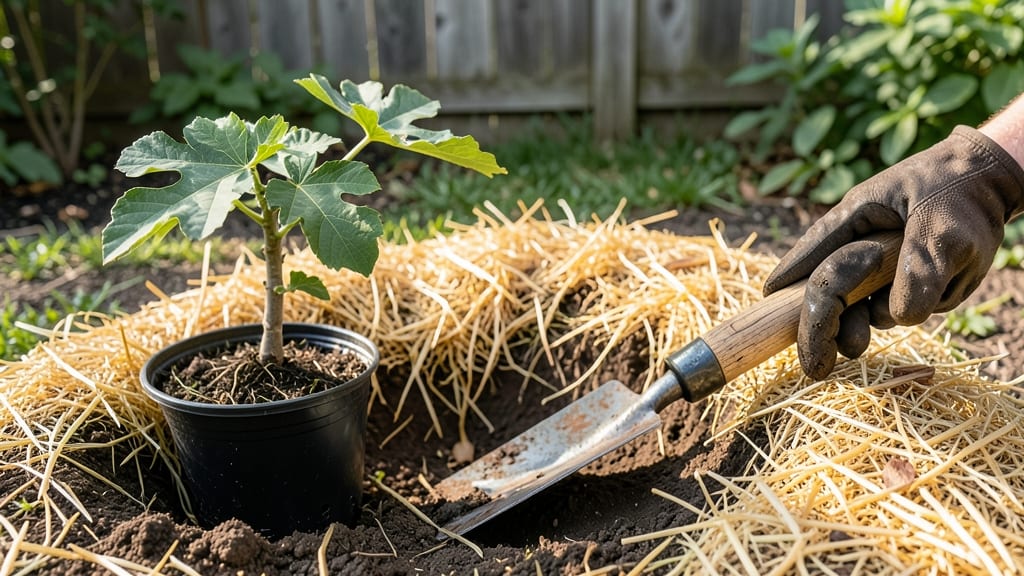
Planting a fig tree 🍈 in Georgia at the wrong time could mean watching your investment wither before it even takes root—but timing it right guarantees a bounty of sweet fruit for years.
With Georgia’s mild winters and long growing season, you’ve got two prime windows to get your fig tree in the ground: early spring after the last frost or fall before the first chill sets in.
Most Georgia gardeners swear by March to April planting, when soil temperatures climb above 60°F and the threat of frost has passed.
But if you’re growing varieties like 'Celeste' or 'Brown Turkey', which thrive in zones 7b-8b, fall planting in September or October can give roots time to establish before winter arrives.
Why does timing matter so much? Fig trees are sensitive to cold snaps, and planting too early risks frost damage, while waiting too long can stunt root growth.
I’ll break down the exact steps to choose the best window for your climate zone, whether you’re planting bare-root or container-grown trees—and how to prep your soil for maximum success.
Ready to turn your Georgia yard into a fig tree paradise? Let’s dive into the chill-hour secrets that’ll have your tree bearing fruit faster than you can say “peach cobbler.”
Best planting times for Georgia fig trees by chill-hour needs
Georgia’s climate offers perfect conditions for fig trees, but timing matters. Fig varieties thrive based on chill-hour requirements, which measure winter cold exposure needed to break dormancy.
High-chill varieties (200+ hours) need Georgia’s cooler Piedmont region, while low-chill (0-300 hours) and tropical types flourish in Coastal Plain zones. Let’s break down the best planting windows for each category.
First, understand Georgia’s USDA zones 7-9 and their frost-free periods. Most areas experience last frosts between mid-March and early April, while first frosts arrive in November.
Planting too early risks frost damage, while late planting may delay fruit production. Containerized figs offer more flexibility than bare-root trees, which need immediate root establishment.
For bare-root fig trees, prioritize planting after the last frost but before summer heat sets in. In Georgia, this typically means late March to early April for high-chill varieties.
Containerized trees, however, offer more flexibility—plant them anytime soil temperatures stay above 50°F, even in late spring or early fall.
Georgia’s Coastal Plain (Zones 8-9) can handle tropical figs year-round, but protect them from unexpected cold snaps. In Piedmont regions (Zones 7-8), high-chill varieties like 'Celeste' need winter dormancy. Mulch heavily in November to insulate roots during light frosts.
If you’re planting in containers, choose low-chill varieties like 'Little Miss Figgy' for urban patios. Move containers indoors or to a garage during winter freezes (below 25°F). Containerized trees also recover faster from transplant shock, making them ideal for late spring or early fall plantings.
Pro tip: Test your soil’s drainage before planting—figs hate soggy roots. Amend heavy clay with compost or sand to improve aeration. In Georgia’s acidic soils, aim for a pH of 6.0-7.0 by adding lime if needed.
For fall planting, focus on low-chill or tropical varieties. Plant in September-October to give roots time to establish before winter. Avoid planting high-chill types late, as they may not harden off properly for Georgia’s mild winters.
Remember: Figs produce fruit on new wood, so early spring plantings give trees a full growing season to bear fruit. In Georgia, this means summer harvests for spring-planted trees and fall harvests for fall-planted varieties.
🌱 For maximum yield, pair your planting time with proper pruning and fertilization. Apply a balanced 6-10-10 fertilizer in early spring and again after harvest to encourage robust growth.
How to time fig tree planting for zero-frost success in Georgia
Georgia’s fig trees thrive in warm climates, but frost damage can devastate young plants if planted too early. The key to success lies in understanding your local frost dates and microclimates, especially in urban areas where heat islands create warmer pockets.
Unlike many fruit trees, figs are frost-sensitive but can tolerate brief cold snaps if established properly.
For fall-bearing varieties like 'Brown Turkey,' timing is critical—planting after harvest (late September) gives roots time to establish before winter. Meanwhile, spring planting (March-April) is ideal for container-grown figs or bare-root trees, once soil temperatures consistently stay above 60°F. Let’s break down the exact steps to avoid frost-related setbacks.
- Check soil temperature: Plant only when soil is 60°F+ (use a soil thermometer for accuracy).
- Avoid low-lying areas: Frost settles in valleys; choose south-facing slopes or raised beds.
- Use frost blankets: Cover young trees with frost cloth for first 2-3 weeks in spring/fall.
- Plant during moon phases: Opt for waxing moon (root growth phase) for best establishment.
- Space for airflow: Keep trees 10-15 feet apart to prevent fungal diseases from trapped moisture.
- Mulch heavily: Apply 4-6 inches of mulch (straw or wood chips) to insulate roots.
- Water deeply before frost: Soak roots 24 hours before first expected frost to harden the tree.
Urban gardeners in Atlanta or Savannah face unique challenges due to heat islands and microclimates. For example, a tree planted in a concrete-heated downtown lot may survive earlier than one in a rural Piedmont field.
Always monitor your specific area’s last frost date—typically mid-March in north Georgia and late February in coastal regions.
For fall planting, aim for late September to early October when soil remains warm but nights cool. This window allows roots to establish before winter dormancy. Container-grown figs adapt better to fall planting than bare-root trees, as their roots are less stressed.
If planting bare-root figs, soak roots for 2-4 hours before transplanting to reduce shock.
Protect young fig trees with windbreaks if your area experiences cold winds, which can exacerbate frost damage. A simple burlap screen or evergreen hedge can create a 10°F warmer microclimate near the tree.
In Zone 7b (northern Georgia), consider dwarf varieties like 'Celeste' for easier frost protection and higher yields in tight spaces.
Remember: Patience pays off. A fig tree planted at the wrong time may struggle for years, while one timed perfectly can bear fruit in as little as 2-3 years. Use these strategies to give your tree the best possible start—your future harvest will thank you! 🌱