
Flowers
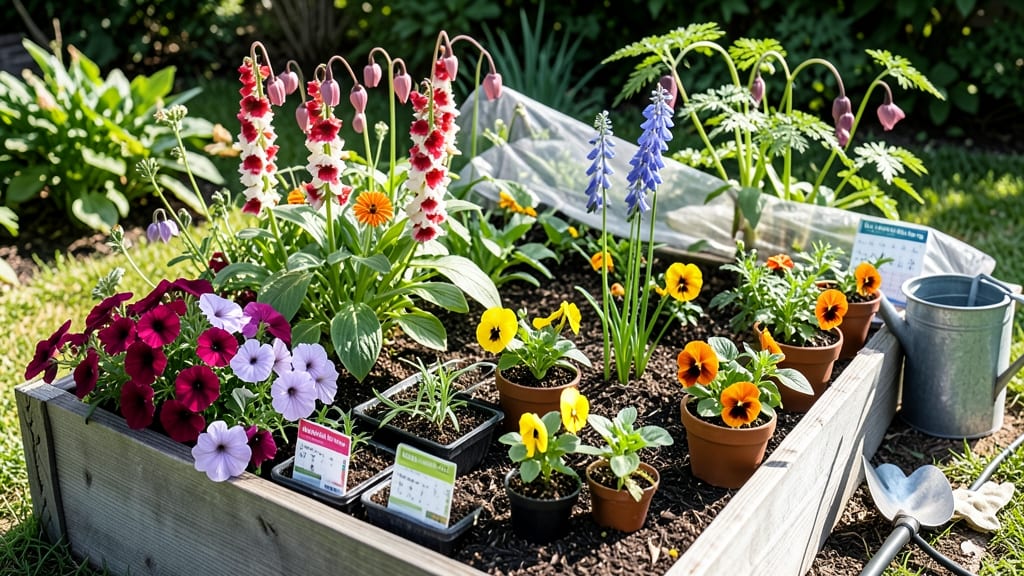
Planting flowers in Portland, Oregon, at the wrong time can turn your garden dreams into a frost-kissed disaster—especially when those last frost dates sneak up faster than you think.
With USDA Zone 8a's unpredictable swings between mild winters and wet springs, timing isn’t just important—it’s the difference between a lush, blooming paradise and wilting disappointment.
I’ve spent years watching Portland’s 🌸 gardens thrive (and occasionally fail), and the key isn’t just checking a calendar—it’s understanding how the city’s microclimates play by their own rules. Urban heat islands near downtown can delay frost, while the West Hills might still see a late chill.
Let me break down the exact windows you need to know, so your flowers get off to the right start every season.
From March’s first bulbs to September’s last perennials, we’ll cover when to plant for maximum blooms, which flowers handle Portland’s quirks best, and how to adjust for your specific neighborhood. No more guessing—just a foolproof plan for a garden that pops year after year.
Ready to skip the trial-and-error? Let’s dive into the perfect planting schedule for Portland’s unique climate, so your flowers don’t just survive—they stun.
Portland’s frost-free flower planting calendar by season (zone 8a specific)
Portland’s USDA Zone 8a climate offers a long growing season, but frost dates between March 15–April 15 and October 15–November 15 demand precision when planting flowers. Timing is everything—plant too early, and frost will kill tender seedlings; too late, and summer heat may stress heat-sensitive varieties.
This calendar aligns your annuals, perennials, and bulbs with Portland’s frost-free windows for maximum blooms.
I’ve broken down planting by seasonal windows, including heat-tolerant exceptions for summer bloomers like zinnias and marigolds. For cold-hardy perennials like lupines and black-eyed Susans, fall planting is ideal. Meanwhile, spring bulbs like tulips and daffodils need early prep to bloom before summer’s heat sets in.
Here’s your month-by-month guide to planting flowers in Portland, ensuring your garden thrives year-round:
| Season | Plant Type | Best Planting Time | Notes |
|---|---|---|---|
| Early Spring | Bulbs (Tulips, Daffodils) | February–March | Plant 6–8 weeks before last frost for spring blooms. |
| Late Spring | Annuals (Petunias, Snapdragons) | April–May | Wait until soil reaches 60°F and frost risk passes. |
| Summer | Heat-Tolerant (Zinnias, Marigolds) | June–July | Direct-sow after May 15 to avoid early heat stress. |
| Fall | Perennials (Lupines, Coneflowers) | September–October | Plant before first frost for root establishment. |
| Winter | Spring-Blooming Bulbs | November–January | Plant dormant bulbs for spring color. |
For spring planting, focus on cool-season annuals like pansies and sweet peas, which tolerate light frosts.
Start seeds indoors in February for a head start, then transplant after April 15. Perennials like beard tongue and Russian sage can be planted in early spring or fall, giving them time to establish roots before summer’s intensity.
Summer is your window for heat-loving annuals. Zinnias and cosmos thrive in Portland’s July–August heat if planted after June 1. Succession plant every 2–3 weeks to extend blooms until first frost. Mulch heavily to retain moisture and protect roots from urban heat island effects.
Fall planting is ideal for perennials and spring-blooming bulbs. Lupines and black-eyed Susans planted in September will establish roots before winter, then burst into color next spring. For bulbs, choose varieties like crocuses and hyacinths, which naturalize over time and multiply each year.
Winter isn’t a dead season—it’s prep time! Plant dormant bulbs like tulips and daffodils in November–January for spring blooms. Use this time to amend soil, prune dead foliage, and plan next year’s color schemes.
Even in Portland’s mild winters, a little planning ensures your garden stays ahead of the game.
Pro tip: Use row covers or cloches for early spring plantings to protect seedlings from late frosts. For container gardens, move pots closer to the house on cold nights to shield them from radiation frost.
With this calendar, your Portland garden will bloom season after season, no matter the weather.
🌱
Best flowers to plant in Portland by timeline (cold-hardy vs. heat-loving)
Portland’s USDA Zone 8a climate gives us a unique advantage—we can grow cold-hardy flowers like lupines and delphiniums in early spring, while still enjoying heat-loving zinnias and sunflowers in summer.
The key is knowing when to plant each type to avoid frost damage or wilting in summer’s occasional 90°F+ heat waves.
For cold-hardy flowers, aim to plant in early spring (March–April) when soil temperatures reach 50°F.
These varieties thrive with Portland’s cool, wet springs and can handle late frosts. Heat-loving flowers, on the other hand, should go in late spring (May–June) after the last frost date (April 15) to avoid stunted growth.
Here’s how to balance your garden for year-round blooms while respecting Portland’s microclimates and seasonal shifts:
Planting Timelines for Portland Flowers
Cold-Hardy Flowers (Early Spring)
- 🌱 Lupines – Plant March–April; thrives in cool, moist soil.
- 🌷 Delphiniums – March–April; needs stake support for tall stems.
- 🌼 Peonies – September–October (fall planting for spring blooms).
✅ Pros:
- Survives late frosts.
- Low-maintenance perennials.
❌ Cons:
- May flop in heat if planted too early.
- Some need division every 3–4 years.
Heat-Loving Flowers (Late Spring–Summer)
- 🌻 Zinnias – Plant May–June; loves full sun.
- ☀️ Sunflowers – May–June; drought-tolerant once established.
- 🌺 Dahlias – May–June; needs rich soil and staking.
✅ Pros:
- Thrives in Portland’s summer heat.
- Attracts pollinators like bees and butterflies.
❌ Cons:
- May wilt in shade.
- Some need regular deadheading.
For companion planting, pair cold-hardy lupines with heat-loving zinnias to extend your blooming season. Lupines fix nitrogen in the soil, benefiting zinnias, while zinnias’ bright colors contrast beautifully with lupines’ purple-blue spikes.
Another great combo is delphiniums with sunflowers—the delphiniums provide vertical interest, while sunflowers add height and summer-long blooms.
If you’re planting fall flowers like asters or chrysanthemums, aim for August–September to ensure they establish roots before winter. These late-season bloomers will reward you with color just as summer winds down, and they’re frost-tolerant enough to handle Portland’s first frosts in October.
Pro tip: Use mulch around heat-loving plants to retain moisture during Portland’s dry summer months. For cold-hardy flowers, a light layer of compost in early spring will give them the nutrients they need to thrive before the rainy season ends.