
Trees
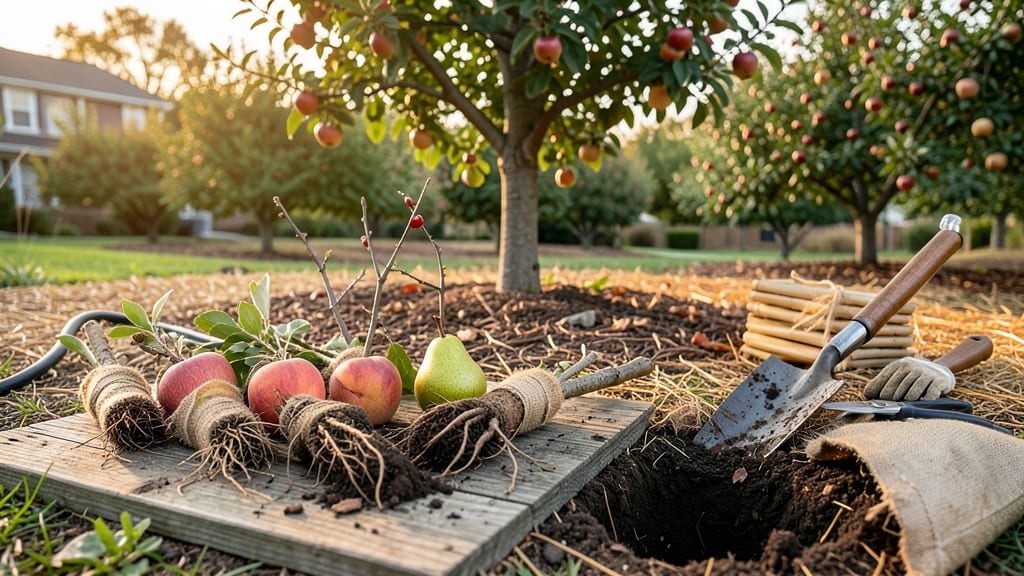
Planting fruit trees in Massachusetts at the wrong time can turn your dream orchard into a sad, struggling yard—so getting the timing right is everything for strong roots and future harvests.
Whether you're in coastal New Bedford or inland Worcester, the USDA Zones 4b-6b climate means your window for planting is narrow but critical.
Most gardeners make one of two mistakes: planting too early when the soil is still frozen, or waiting until summer when the heat stresses young trees. The sweet spot? Late fall or early spring—when the ground is workable but not yet sweltering.
I'll show you exactly how to read your local frost dates and microclimates to pick the perfect moment for your fruit trees.
Why does this matter? Because a tree planted in the right season will establish roots twice as fast, resist winter kill, and reward you with fruit in just a few years.
We'll cover bare-root vs. container-grown trees, soil prep secrets, and even how to protect young saplings from late frosts—so you can avoid costly mistakes.
Let's dive into the science behind Massachusetts planting zones and the exact months that'll give your fruit trees the best possible start. Your future harvests depend on it!
Massachusetts hardiness zones and best planting months for fruit trees
Massachusetts spans USDA Hardiness Zones 4b through 7a, meaning our fruit trees must handle everything from brutal winters to humid summers. Understanding these zones helps determine the best planting windows for your specific location—whether you're in coastal Zone 6b or inland Zone 5a.
The key? Planting when trees enter dormancy or when soil temperatures rise above 40°F.
For most deciduous fruit trees like apples and pears, the ideal planting window is late fall to early spring—specifically October through April. This timing allows roots to establish before the growing season begins.
Evergreen fruit trees, like blueberries, prefer spring planting when soil is workable but not yet too warm.
Here’s the breakdown of optimal planting months based on Massachusetts’ zones and tree types:
| Zone | Best Planting Months | Tree Type | Soil Temp Requirement | Notes |
|---|---|---|---|---|
| 4b-5a (Western MA) | October-November or April | Deciduous (Apple, Pear, Cherry) | 40-50°F | Avoid planting when soil is frozen |
| 5b-6a (Central MA) | Late October-March | Deciduous & Evergreen (Blueberry, Peach) | 45-55°F | Spring planting best for peaches |
| 6b-7a (Coastal MA) | November or March-April | Evergreen (Blueberry, Fig) | 50-60°F | Warmer coastal soil allows later spring planting |
| All Zones | Avoid June-August | All Fruit Trees | N/A | Summer stress reduces root growth success |
In Zone 4b-5a (Western MA), where winters are colder, fall planting is ideal because the ground freezes earlier. Plant bare-root trees in October or November so roots can establish before dormancy sets in.
For Zone 6b-7a (coastal areas), you’ve got a bit more flexibility—plant in March or April when soil temperatures rise above 45°F.
Evergreen fruit trees like blueberries and figs thrive with spring planting because they prefer acidic soil and benefit from established roots before summer heat. If you’re planting peaches or plums, aim for late winter to early spring—these trees bloom early and need time to harden off before frost.
One common mistake is planting too early in spring when soil is still cold. Roots can’t absorb nutrients efficiently below 40°F, leading to poor establishment. Use a soil thermometer to check—50°F+ is the sweet spot for most fruit trees.
In cooler zones, extend the planting window by using mulch to insulate roots.
For container-grown trees, planting is slightly more flexible—you can go up to June in Zone 6b+, but always water deeply afterward. The key is consistent moisture during the first growing season, so mulch heavily (3-4 inches) to retain soil moisture and regulate temperature.
Pro tip: Check the last frost date for your area (typically mid-April to early May in MA) and plant 6-8 weeks before to give roots time to establish. For example, in Zone 5b, aim for late March planting—this ensures trees aren’t stressed by early blooms or summer heat.
If you’re unsure about your zone, use the UMass Extension Plant Amnesty Zone Map or check the USDA Plant Hardiness Zone Map. Local nurseries often provide zone-specific advice tailored to your microclimate—whether you’re in the Worcester hills or Cape Cod flats.
Timing isn’t just about the calendar—it’s about soil temperature, tree dormancy, and local microclimates. Get it right, and you’ll see stronger root systems and healthier fruit production in just a few years. 🌳
How to prepare for fruit tree planting in Massachusetts’ climate
Massachusetts’ variable climate—with cold winters and unpredictable springs—demands careful planning when planting fruit trees. Timing matters because young roots need 6-8 weeks to establish before dormancy or summer heat stress.
Whether you’re planting bare-root saplings or container-grown trees, understanding your local microclimate (coastal vs. inland) is key to avoiding frost damage or stunted growth.
Start by selecting a sunny location with well-draining soil, as waterlogged roots lead to root rot.
Most fruit trees thrive in USDA Zones 5-7, but late-spring frosts (common in April) can devastate early bloomers like peaches. Fall planting is ideal for many varieties, allowing roots to establish before winter dormancy, while spring planting requires protection from late frosts.
Before planting, amend your soil with compost or aged manure to improve drainage and fertility. Fruit trees prefer slightly acidic soil (pH 6.0-7.0), so test your soil using a home kit or UMass Extension lab.
If your soil is clay-heavy, mix in sand or perlite to prevent compaction. Mulch heavily (3-4 inches) with wood chips to retain moisture and regulate soil temperature.
For spring planting, choose dormant bare-root trees and plant them as soon as the ground thaws but before buds swell. Fall planting (September-October) is often better for container-grown trees, giving roots time to establish before winter.
Always water deeply after planting and stake young trees if your area experiences high winds. Frost cloth can protect new plantings during unexpected late frosts.
Adjust your approach based on tree variety. Stone fruits (peaches, cherries) are frost-sensitive and need winter protection, while apples and pears handle colder winters better. Blueberries require acidic soil (pH 4.5-5.5), so amend with sulfur or peat moss if needed.
Always space trees properly—dwarf varieties need 8-12 feet apart, while standard trees require 20+ feet.
Monitor your trees’ progress with regular inspections. Look for new leaf growth (sign of successful root establishment) and pest activity like aphids or borers. Prune dead branches in early spring to encourage healthy growth.
By following these steps, your fruit trees will thrive in Massachusetts’ climate, yielding bountiful harvests for years to come. 🌳