
Trees
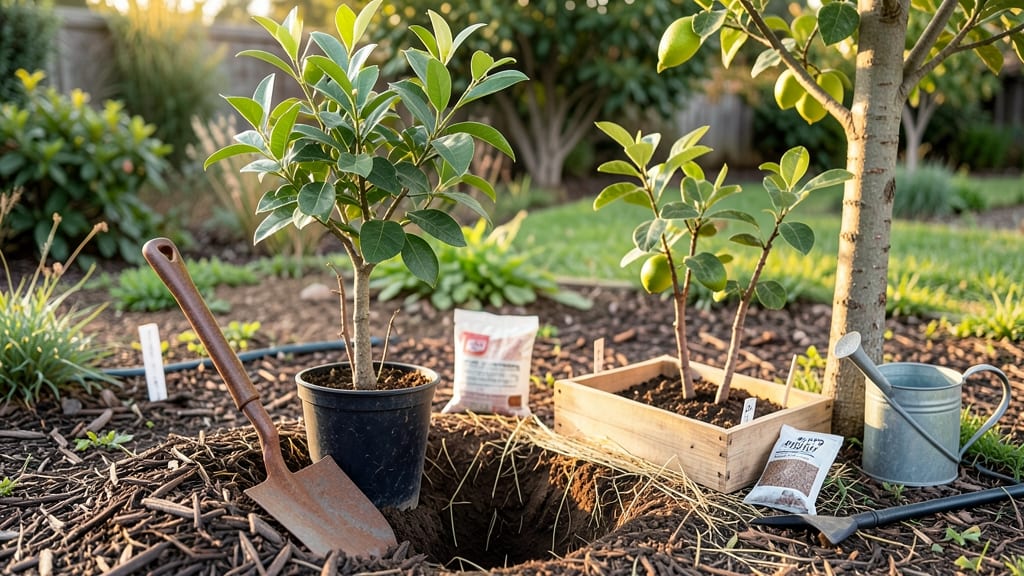
Planting fruit trees in South Africa at the wrong time can mean the difference between a thriving orchard and a failed investment—especially when frost-sensitive varieties like avocados or citrus are on the line.
The key isn’t just picking a season, but aligning your planting with your region’s unique climate, whether it’s the summer rains of KwaZulu-Natal or the winter showers of the Western Cape.
I’ve seen firsthand how a single month’s delay can leave young trees struggling against heat stress or early frosts. But with the right timing, you’ll give your fruit trees the best possible start—strong roots, better survival rates, and a head start on fruit production.
Let’s break down the ideal planting windows for your area, so you can avoid common mistakes and set your orchard up for success.
From subtropical citrus that thrives in autumn to stone fruits that need spring’s cooler temperatures, each variety has its own preferences. We’ll cover the best months to plant based on your local climate zone, plus soil prep tips and post-planting care to keep your trees healthy.
Whether you’re in frost-prone areas or drought-resistant regions, this guide will help you choose the perfect time to plant.
Ready to grow fruit trees that flourish? Let’s dive into the climate-smart months that will transform your garden—or even your farm—into a productive haven.
You’ll learn exactly when to plant, what to watch for, and how to give your trees the care they need to bear fruit for years to come.
Best planting months for fruit trees by south african climate zones
South Africa's diverse climate zones mean timing is everything when planting fruit trees. The east coast's summer rainfall contrasts sharply with the west coast's winter rains, while subtropical regions offer year-round opportunities. Frost-sensitive varieties like avocados thrive in warmer areas, while hardy peaches need cooler winters for dormancy.
Understanding your region's microclimate ensures your trees establish strong roots before seasonal stresses arrive.
Soil temperature plays a critical role—most fruit trees need warm soil (15-20°C) to prevent root rot. In summer-rainfall zones, plant during autumn's mild weather (March-May) when rains recharge the soil. Winter-rainfall areas should wait until spring's last frost (September-November), while subtropical regions allow year-round planting with proper irrigation.
Here's a quick reference for optimal planting windows across South Africa's key climate zones:
| Climate Zone | Best Planting Months | Soil Temp Requirement | Key Varieties | Rainfall Alignment |
|---|---|---|---|---|
| Summer-Rainfall (KwaZulu-Natal, Mpumalanga) | March-May (Autumn) | 15-20°C | Avocado, Mango, Citrus | Before summer rains |
| Winter-Rainfall (Western Cape) | September-November (Spring) | 12-18°C | Peach, Pear, Olive | After last frost |
| Subtropical (Durban, East London) | Year-round (with irrigation) | 18-25°C | Lemon, Guava, Lychee | Consistent moisture |
| Highveld (Johannesburg, Pretoria) | October-November (Spring) | 10-16°C | Apple, Plum, Cherry | Spring rains |
For summer-rainfall regions, I recommend planting avocado trees in March when soil temperatures stabilize. These trees are frost-sensitive and need 6 months of warm weather before harvest. Citrus varieties like oranges and lemons also thrive when planted in autumn's cooler months, reducing transplant shock from summer heat.
In winter-rainfall areas, wait until September's last frost risk has passed. Stone fruits like peaches and nectarines require chilling hours during winter, so planting in spring ensures they'll break dormancy properly.
The Western Cape's Mediterranean climate makes October the ideal month for olive and fig trees, aligning with natural rainfall patterns.
Subtropical gardeners have the most flexibility—planting can occur year-round with proper irrigation. Lemon trees and guavas establish best when soil stays consistently moist, so I recommend drip irrigation systems during dry spells. Lychee trees prefer warmth and humidity, making summer planting ideal in these regions.
Don't overlook microclimates—your garden's specific conditions matter more than broad regional averages. Sheltered spots may allow earlier planting of frost-sensitive varieties, while windy areas need windbreaks. Test your soil's drainage and pH before planting—citrus needs acidic soil (pH 6.0-7.0), while stone fruits prefer neutral (pH 6.5-7.5).
After planting, mulch heavily to retain moisture and regulate soil temperature. Organic mulch like wood chips also improves soil structure over time. Water deeply once a week for the first 6 weeks, then taper to bi-weekly watering once established. Fertilize lightly with balanced organic fertilizer in spring to support new growth.
Remember: bigger isn't always better when choosing trees. Dwarf varieties
Fruit tree varieties and their ideal planting windows in SA
South Africa’s diverse climate zones mean your fruit tree planting schedule should align with regional conditions. Citrus trees thrive in autumn’s mild temperatures, while stone fruits need winter dormancy before spring growth. Subtropical varieties like avocado can be planted year-round in frost-free areas, but timing still matters for root establishment.
Understanding chilling hour requirements is key—peaches need 300–500 hours below 7°C, while mangoes require zero. Planting at the right time ensures your tree avoids frost damage or heat stress during critical growth phases. Below, I’ve broken down the best windows for 10+ popular varieties.
- Citrus (lemon, orange, grapefruit): Autumn (March–May) – Avoid summer heat stress; soil temps should be 18–22°C for root growth.
- Stone Fruits (peach, plum, apricot): Late winter (July–August) – Requires 300–500 chilling hours; plant after last frost risk.
- Avocado (subtropical): Year-round in frost-free zones; spring (Sept–Nov) in cooler areas for best root establishment.
- Pomegranate: Spring (Sept–Oct) – Needs warm soil (20°C+) and well-draining soil to avoid root rot.
- Mango: Late winter (Aug–Sept) – Plant before summer rains to prevent waterlogging; avoid frost-prone areas.
- Guava: Spring (Sept–Nov) – Fast-growing; stake young trees to support top-heavy growth in windy areas.
- Olive: Autumn (April–May) – Drought-tolerant; plant in well-draining soil to prevent fungal diseases.
- Fig: Spring (Sept–Oct) – Prefers sheltered spots; avoid coastal winds that dry out leaves.
- Persimmon: Late winter (July–Aug) – Needs cross-pollination; plant two compatible varieties.
- Post-Harvest Planting (e.g., citrus): Winter (June–July) – Replace harvested trees to maintain perennial production cycles.
For frost-sensitive varieties like mangoes or citrus, always check your local frost date—planting too early in winter-rainfall regions (e.g., Western Cape) risks cold damage. In subtropical zones (e.g., KwaZulu-Natal), you can plant avocado or macadamia almost anytime, but spring gives roots time to establish before summer’s intensity.
Pro tip: Amend your planting hole with compost and sand (especially in clay soils) to improve drainage. Mulch heavily to retain moisture and regulate soil temperature during the first 12 months—critical for young roots.
Remember, soil temperature matters more than air temperature. Use a soil thermometer to confirm it’s above 15°C before planting—this ensures roots grow actively rather than sitting dormant. In drought-prone areas, drip irrigation during establishment can make the difference between success and failure.
🌿 Whether you’re growing stone fruits in the Free State or citrus in Limpopo, aligning your planting with these windows will give your trees the best start. Next, we’ll cover critical mistakes to avoid—like planting frost-sensitive trees too early or ignoring soil drainage.