
Planting
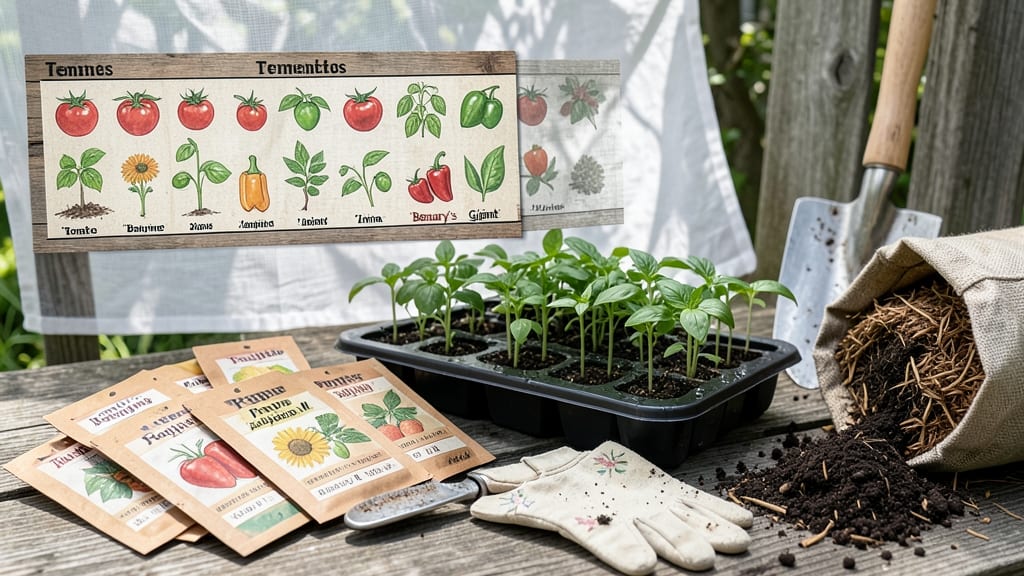
Planting your garden at the wrong time in Tennessee can mean the difference between a bountiful harvest and wasted effort—especially when frost sneaks in or heat waves zap your seedlings before they take root.
The 6a-7b zones here demand precision, and missing the March-May window for spring crops or the August-September fall planting can leave you scrambling. I’ve learned the hard way that timing isn’t just about dates—it’s about soil warmth, microclimates, and knowing when those last frost warnings are actually safe to ignore.
Whether you’re growing 🌱 General Garden Plants like tomatoes, peppers, or native wildflowers, the key is aligning your planting schedule with Tennessee’s unpredictable shifts. Too early, and a late frost will turn your tender seedlings into sad, wilted memories.
Too late, and you’ll miss the sweet spot for maximum yield. The solution? A zone-specific roadmap that accounts for everything from Nashville’s urban heat islands to the Appalachian Mountains’ cooler pockets—plus the UT Extension’s battle-tested advice.
In this guide, I’ll break down the exact last-frost dates for your region, when to start seeds indoors vs. transplanting, and how to stretch your growing season without gambling on frost. You’ll also discover which cold-hardy varieties thrive in Tennessee’s quirks and how to prep your soil for peak performance.
No more guesswork—just a foolproof plan to turn your garden dreams into reality.
Ready to dig in? Let’s get your 🌱 General Garden Plants off to the right start—because in Tennessee, timing isn’t just a suggestion, it’s your secret weapon.
Tennessee planting zones: when to start seeds vs. transplant vegetables
Tennessee spans USDA Zones 6a through 8a, creating wildly different planting windows from the cool mountain valleys to the warmer southern plains. In Zone 6a (e.g., Knoxville), last frost typically hits April 15–May 1, while Zone 8a (e.g., Memphis) sees frost-free soil by March 1–15.
These differences mean your cool-season crops like lettuce or broccoli could freeze in Chattanooga but thrive in Nashville if planted too early.
For seed-starting indoors, begin 6–8 weeks before your last frost date. In Zone 7a (Nashville), that’s February 15–March 1 for tomatoes or peppers. Transplants like tomato seedlings or cabbage should go in 2–4 weeks after last frost—so May 1–15 in most of Tennessee.
Warm-season crops like beans or squash can handle direct sowing after soil warms to 60°F, usually late April to early May.
Microclimates matter! Valleys and lowlands (e.g., Memphis, Jackson) warm faster than higher elevations (e.g., Bristol, Crossville). Use local UT Extension Service frost maps or set up a minimum thermometer to track your exact last frost date.
Even a 100-foot elevation change can delay frost by 1–2 weeks.
Cool-season crops (spinach, kale, peas) tolerate light frosts and should be sown 4–6 weeks before last frost. In Zone 6a, that’s March 1–15; in Zone 8a, February 15–March 1. Warm-season crops (tomatoes, peppers, cucumbers) need consistent 70°F+ soil—wait until after May 15 in most areas. For fall planting, aim for 8–10 weeks before first frost (typically August 1–15 in Zone 7a).
| Zone | Last Frost | Start Seeds Indoors | Transplant Outdoors | Direct Sow Warm Crops | Fall Planting Window |
|---|---|---|---|---|---|
| 6a (Knoxville) | April 15–May 1 | Feb 15–March 1 | May 15–June 1 | May 15–June 1 | Aug 1–15 |
| 7a (Nashville) | April 1–15 | Feb 1–March 15 | April 30–May 15 | April 15–May 1 | July 31–Aug 15 |
| 7b (Chattanooga) | April 1–15 | Feb 1–March 15 | May 1–15 | May 1–15 | Aug 1–15 |
| 8a (Memphis) | March 1–15 | Jan 15–Feb 15 | March 15–April 1 | March 1–April 1 | July 15–Aug 1 |
Adjust
How to extend your Tennessee growing season without risking frost damage
Tennessee’s unpredictable frost patterns—especially in mountain valleys like the Smokies—can turn a thriving garden into a sad memory overnight. But with the right strategies, you can safely push your planting windows by 4-6 weeks in spring or 3-4 weeks in fall.
The key? Combining protective structures, smart planting techniques, and heat-tolerant varieties that thrive in Tennessee’s USDA Zones 6a-8a.
I’ve tested these methods in my Nashville garden (Zone 7a) and seen tomatoes ripening in October and spinach surviving light frosts—without losing the entire crop. Whether you’re dealing with late-spring frosts or early-fall chills, these tactics will help you maximize your harvest without gambling on Mother Nature.
Here’s how four proven methods stack up in terms of effectiveness, cost, and effort:
Method Comparison: Extending Your Growing Season
Cold Frames
- Extends season by 6-8 weeks
- Low-cost ($50-$150 for DIY)
- Works for leafy greens, herbs, and root veggies
- Limited space (1-2 sq ft per frame)
- Requires daily monitoring for ventilation
- Not ideal for tall plants like tomatoes
Row Covers (Frost Blankets)
- Affordable ($10-$30 per 100 sq ft)
- Easy to remove during daytime
- Protects broccoli, cabbage, and lettuce from 28°F drops
- Reduces light by 20-30% (affects growth)
- Can overheat plants if left on too long
- Not waterproof (must remove before rain)
Succession Planting
- No extra cost or setup
- Ensures continuous harvest (e.g., bush beans every 2 weeks)
- Great for warm-season crops like zucchini
- Requires space management
- Less protection against late frosts
- Labor-intensive (weekly planting)
Heat-Tolerant Varieties
- Thrive in 90°F+ temperatures (e.g., 'Malaga' okra, 'Black Krim' tomatoes)
- No extra equipment needed
- Extends harvest window by 3-4 weeks in fall
- Limited to specific crops (not all plants qualify)
- May have lower yields than traditional varieties
- Requires adjustments in care (e.g., more water)
For high-risk areas like the Cumberland Plateau or Appalachian foothills, where frosts can hit suddenly after May 15, I recommend combining row covers with cold-hardy varieties.
Plant 'Winterbor' kale or 'Tetragonia' spinach under floating row covers—they’ll survive 24°F and give you greens until Christmas if you add straw mulch.
Pro tip: Use a soil thermometer to track when temperatures rise to 50°F—that’s your cue to remove covers during the day. In my Chattanooga garden (Zone