
Planting
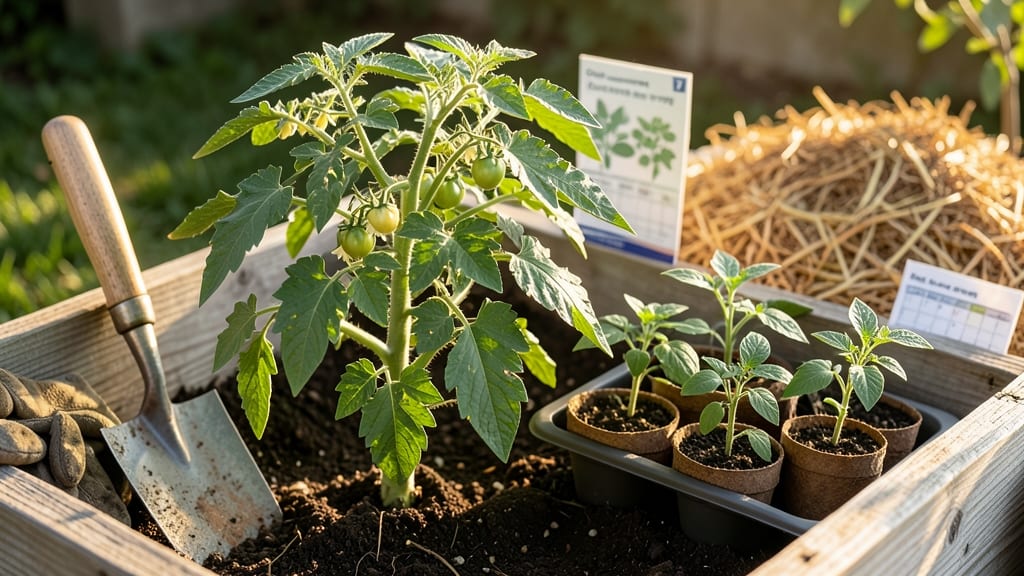
Timing when to plant your garden in Zone 7 perfectly means the difference between a bountiful harvest and wilted disappointment—especially when frost can sneak in like an unwelcome guest.
Whether you're planting cool-loving greens or heat-craving tomatoes, knowing when to put seeds in the soil is the key to avoiding those frustrating early failures.
I’ve learned the hard way that rushing spring planting or waiting too long for summer crops can leave your 🌱 garden struggling. The secret isn’t just guessing—it’s understanding your local frost dates and matching them to the right plants.
In Zone 7, where last frosts typically arrive between mid-April and early May, the window for success is narrower than you’d think.
This guide breaks down exactly when to plant everything from peas to peppers, so you can start strong and keep harvesting well into fall. No more second-guessing—just a clear, foolproof timeline that works for your climate. Let’s get your garden growing on the right schedule.
From soil prep to succession planting, I’ll walk you through the most important steps to maximize your yield. Whether you’re in the Piedmont or the Appalachians, these tips will help you beat the frost and enjoy a garden that thrives all season long.
Zone 7 planting calendar by frost dates and hardiness zones
Understanding Zone 7 frost dates is the key to unlocking a bountiful garden. In this zone, the average last frost date falls between April 15 and May 1, while the first frost date typically arrives between October 15 and November 15.
These dates create a 180-210 day growing season, giving you plenty of time for both cool-season and warm-season crops.
Zone 7 spans two sub-zones: 7a (0-5°F) and 7b (5-10°F). The difference might seem small, but it impacts which cold-hardy crops can survive early spring or late fall frosts.
For example, kale and spinach thrive in 7a but may bolt in 7b's warmer nights. Always check your local microclimate—valleys stay colder, while south-facing slopes warm up faster.
Here's your Zone 7 planting calendar broken down by frost dates, including adjustments for 7a vs. 7b and frost-tolerant varieties that can handle light freezes:
| Planting Window | Zone 7a (0-5°F) | Zone 7b (5-10°F) | Frost Tolerance | Planting Tip |
|---|---|---|---|---|
| Early Spring (Feb-Mar) | Onions, Peas, Spinach (cover with row fabric) | Onions, Peas, Spinach (direct sow) | ❄️ Tolerates 20-25°F | Use cold frames for lettuce |
| Late Spring (Apr-May) | Broccoli, Cabbage, Carrots (after last frost) | Broccoli, Cabbage, Carrots (2 weeks earlier) | ❄️ Tolerates 28°F | Test soil—wait until 60°F+ |
| Summer (Jun-Aug) | Tomatoes, Peppers, Cucumbers (after soil warms) | Tomatoes, Peppers, Cucumbers (1 week earlier) | 🔥 Needs 70°F+ soil | Use black plastic mulch to warm soil |
| Fall (Sep-Oct) | Kale, Radishes, Lettuce (6-8 weeks before frost) | Kale, Radishes, Lettuce (8 weeks before frost) | ❄️ Tolerates 20°F | Plant hardy varieties like 'Winterbor' kale |
| Winter (Nov-Dec) | Garlic, Overwintered Spinach (cover with straw) | Garlic (plant by Dec 1) | ❄️ Tolerates 10°F | Mulch heavily—4+ inches of straw |
Note: Adjust dates 1-2 weeks earlier for microclimates like sunny slopes or later for shady areas.
For Zone 7a gardeners, focus on cold-hardy crops like Swiss chard, collards, and winter radishes. These can handle 20-25°F temperatures and even produce sweeter flavors after light frosts.
In Zone 7b, you can push the envelope with broccoli raab and arugula, which thrive in cooler conditions but may bolt if nights stay too warm.
Don’t let the frost dates fool you—soil temperature matters more than air temperature. Use a soil thermometer to confirm 60°F+ for warm-season crops like tomatoes and peppers. If your soil is still chilly in May, opt for fast-maturing varieties or use row covers to create a warmer microclimate.
Pro tip: Succession planting is your secret weapon in Zone 7. Instead of planting all your lettuce or beans at once, stagger seeds every 2 weeks from spring to early summer. This ensures a continuous harvest and maximizes your garden’s potential, even with a limited growing season.
If you're in a transition zone (like the Piedmont region or Appalachian foothillsearlier frosts, while lower elevations stay warmer. Local cooperative extension offices often provide hyper-local frost data—check their resources for precise timing.
For perennial herbs like rosemary, thyme, and oregano, plant in early spring (March-April) or early fall (September). These hardy plants establish roots before winter and often rebound stronger after cold snaps.
Avoid planting tender perennials like basil or fennel until after your last frost—they won’t tolerate even light freezes.
Remember, frost dates are averages. Keep a gardening journal to track your actual last frost over 3-5 years. This helps you fine-tune your planting schedule and avoid costly mistakes.
With these Zone 7 frost guidelines, you’ll be well on your way to a productive, frost-proof garden that thrives all season long.
Best planting times for vegetables, flowers, and herbs in Zone 7
Mastering when to plant your garden in Zone 7 starts with understanding your plants' temperature preferences. Cool-season crops like spinach and kale thrive in early spring's cooler air, while tomatoes and peppers need warm soil to germinate.
Even herbs like rosemary have their own ideal windows—plant too soon, and you risk stunted growth or frost damage.
I've found that success comes from matching each plant's needs to your local frost dates. In Zone 7, where last frosts average between April 15 and May 1, timing is everything.
The key is to start cool-season crops early and save heat-lovers for after the soil warms. Let's break down the perfect schedule for your garden's most popular varieties.
-
1
Cool-Season Crops (March-April)
Spinach, kale, peas, lettuce, broccoli
Plant 4-6 weeks before last frost -
2
Warm-Season Vegetables (May-June)
Tomatoes, peppers, cucumbers, beans
Wait until soil reaches 60°F+ -
3
Perennial Herbs (Spring/Fall)
Rosemary, thyme, oregano
Plant in early spring or late summer -
4
Fall Planting (August-September)
Carrots, radishes, turnips
Sow 8-10 weeks before first frost -
5
Succession Planting Tip
Sow lettuce every 2 weeks
Extend harvests through summer
For cool-season vegetables, I recommend starting seeds indoors in late February for a jumpstart.
Harden off seedlings in early March, then transplant after your last frost date. Peas are particularly forgiving—they can handle light frosts and even improve soil nitrogen. Spinach and kale, on the other hand, bolt quickly in heat, so give them afternoon shade during summer months.
Warm-season crops demand patience. Tomatoes and peppers won't germinate until soil temperatures exceed 60°F—usually mid-May in Zone 7.
Use a soil thermometer to check; if it's cooler, consider black plastic mulch to warm the soil faster. Cucumbers and beans can handle slightly cooler conditions, making them good candidates for early June planting.
Don't overlook herbs in your planting schedule. Rosemary and thyme thrive when planted in spring or fall, avoiding summer's intense heat. They prefer well-draining soil, so amend your beds with compost before planting.
For basil, wait until after the last frost—it's a true heat lover that bolts quickly in cool weather.
Remember, these are general guidelines. Microclimates matter—southern exposures warm faster than northern ones. If you're in Zone 7a (colder end), push planting dates slightly later. For Zone 7b, you might get away with earlier plantings. Always have row covers ready to protect young plants from unexpected late frosts.