
Plants
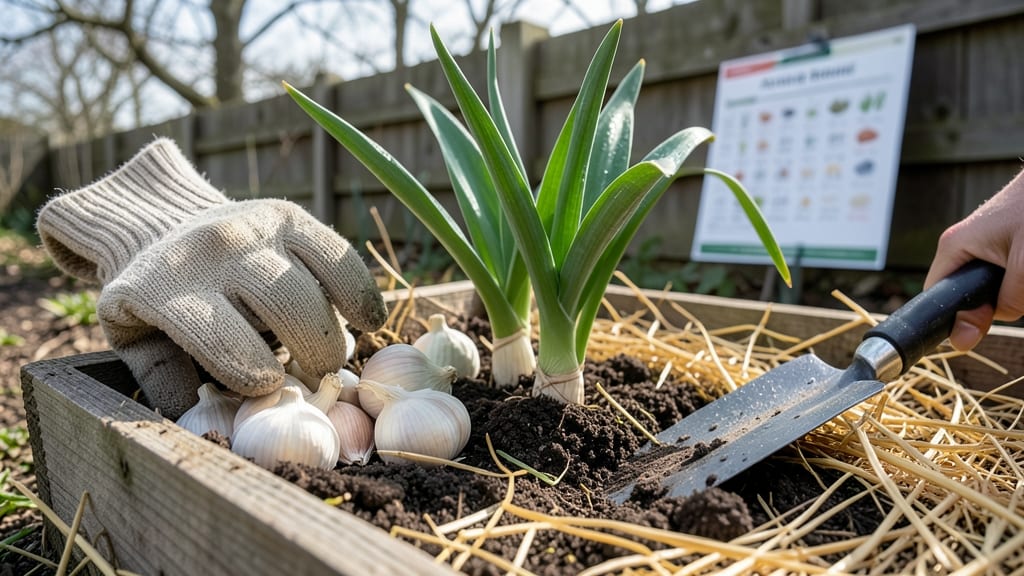
Planting garlic in Adelaide at the wrong time can mean the difference between plump, flavorful bulbs and a disappointing harvest. The secret to success lies in timing it just right—too early, and your garlic might bolt; too late, and frost could stunt growth before it even starts.
For Adelaide’s Zone 8a climate, the ideal window is May through June, when temperatures are cool but not yet freezing. This gives your 🧄 garlic enough time to establish roots before winter sets in, ensuring strong, healthy growth.
But don’t worry if you’re unsure—this guide will walk you through the exact steps to plant garlic for maximum yield.
Why does timing matter so much? Garlic thrives in cooler weather, and Adelaide’s autumn months provide the perfect balance. Planting too soon can lead to premature sprouting, while waiting too long risks exposing young plants to frost damage.
We’ll break down the best practices so you can avoid these common mistakes.
Whether you’re a seasoned gardener or just starting out, getting the timing right is the key to growing garlic that’s not only abundant but packed with flavor. Let’s dive into the details so you can enjoy a bountiful harvest come late spring.
Best autumn planting window for Adelaide garlic (with exact dates)
Adelaide’s USDA Zone 8a climate offers an ideal 4-week autumn planting window for hardneck garlic, where cool temperatures and moist soil create perfect growing conditions. The key is planting 4-6 weeks before the first frost (typically mid-May), allowing roots to establish before winter dormancy.
Northern suburbs like Modbury or Tea Tree Gully can plant slightly earlier, while southern areas like Glenelg or Seacliff should wait 5-7 days longer to avoid early frost damage.
Soil temperature is your best indicator—aim for 10-15°C (50-59°F) at a 5cm depth. In Adelaide, this usually aligns with late April to early May, but May 1-31 is the absolute sweet spot for most varieties.
Planting after June 15 risks stunted growth, as garlic needs 60-90 days of cool weather to form bulbs properly.
Here’s the exact planting window tailored to Adelaide’s microclimates, with frost risk and soil temperature thresholds:
| Region | Ideal Planting Window | Soil Temp Threshold | Frost Risk |
|---|---|---|---|
| Northern Suburbs (e.g., Modbury, Tea Tree Gully) | April 25 – May 15 | 12-15°C (54-59°F) | Low (warmer microclimate) |
| Central Adelaide (e.g., North Adelaide, Unley) | May 1 – May 25 | 10-14°C (50-57°F) | Moderate (first frost ~May 15) |
| Southern Suburbs (e.g., Glenelg, Seacliff) | May 10 – June 1 | 8-12°C (46-54°F) | High (cooler, coastal influence) |
| Hills (e.g., Stirling, Mount Lofty) | May 15 – May 31 | 10-13°C (50-55°F) | Moderate (frost pockets) |
| Coastal (e.g., Henley Beach, Semaphore) | April 20 – May 10 | 11-14°C (52-57°F) | Low (mild maritime climate) |
*Adjust for 2024’s unpredictable weather—monitor local forecasts for early frost warnings.
For hardneck varieties (like ‘German White’ or ‘Purple Stripe’), aim to plant by May 15 at the latest.
These varieties need cold vernalization to form scapes and bulbs, so delaying risks smaller yields. Softneck garlic (less common in Adelaide) can tolerate slightly later planting but still benefits from an early start.
Pro tip: Use a soil thermometer to confirm temperatures. If soil is below 10°C (50°F), wait 1-2 weeks—cold soil slows root growth and increases rot risk. In 2023’s late-autumn heatwave, many gardeners in Norwood saw delayed sprouting when planting too early in April.
If you miss the May-June window, don’t despair—you can still plant in late July for a smaller harvest, but bulbs won’t reach full size. The trade-off?
Fewer pests and less competition for soil nutrients. For maximum bulb size, stick to the 4-week autumn window and pair it with well-draining, compost-amended soil.
Once planted, mulch with straw to insulate roots during winter. In Adelaide’s unpredictable climate, this protects against temperature swings that can cause uneven growth. By late September, you’ll see shoots emerge—this confirms your timing was spot-on!
Remember: Adelaide’s first frost typically hits around May 15, but coastal areas may delay until June 10. Use this as your absolute deadline—planting after this risks frost damage to young shoots, even if roots are established.
For hardneck garlic, the 4-week window ensures bulbs have 60+ days of cool weather before summer heat stresses them. In 2022, gardeners in Morphett Vale who planted in early May harvested 30% larger bulbs than those who waited until June.
How to prepare Adelaide soil and garlic cloves for planting success
Adelaide’s alkaline soils and clay-heavy patches can challenge garlic growth, but with the right prep, you’ll get plump bulbs and vibrant green shoots. Start by testing your soil’s pH level—garlic thrives in 6.0-7.0, while Adelaide’s native soils often sit at 7.5-8.5.
If your soil is too alkaline, amend it with composted manure or peat moss to lower the pH gradually over a few months.
Next, focus on drainage. Clay soils retain too much moisture, which can rot garlic cloves. Mix in coarse sand or perlite to improve aeration, and consider planting in raised beds if your garden is particularly heavy.
A well-draining soil prevents fungal diseases like white rot, ensuring your garlic develops strong roots and bulbs.
⚠️ CALLOUT WARNING ⚠️
Adelaide’s first frost typically hits around May 15, but northern suburbs (like Modbury) can frost 2-3 weeks earlier. If you plant garlic after late May, young shoots may not survive winter. Aim for early April to mid-May to give roots time to establish before frost sets in.
🌱 Pro Tip: Use row covers or mulch heavily (straw or lucerne) to protect plants if late frosts occur.
Selecting the right garlic cloves is just as critical as soil prep. Choose large, firm cloves (about 1.5 inches wide) from hardneck varieties, as they produce the biggest bulbs. Avoid cloves with soft spots or sprouts, as these indicate disease or poor storage.
If your cloves are small, soak them in lukewarm water for 6-12 hours before planting to encourage faster germination.
For an extra boost, try chitting your cloves. Place them pointy-end up in a tray of sphagnum moss or pebbles and keep them in a cool, dark place (like a garage) for 2-3 weeks before planting.
This pre-sprouting method gives your garlic a 2-week head start and ensures uniform growth across your garden.
Finally, mulch generously after planting with straw or lucerne hay to insulate the soil and retain moisture. This is especially important in Adelaide’s dry autumns, where evaporation can dry out young plants. Mulching also suppresses weeds, reducing competition for nutrients and water.
With these steps, your Adelaide garlic will establish strong roots before winter, setting the stage for large, flavorful bulbs ready for harvest next late spring. Happy planting! 🌱