
Plants
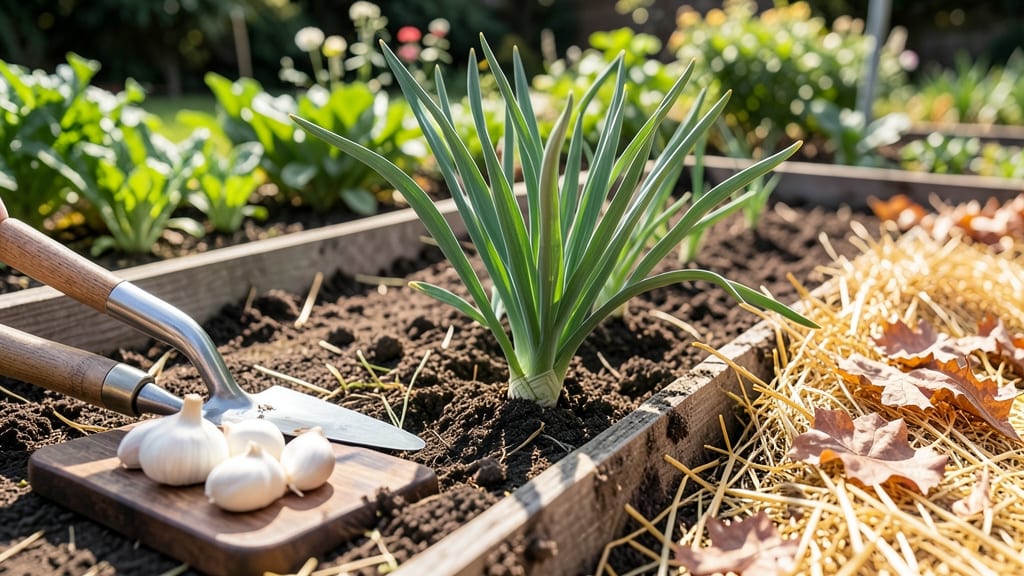
Planting garlic in New Jersey at the wrong time can turn your 🧄 dreams into disappointment—but here’s the secret: hardneck varieties only thrive when planted in fall.
If you’ve ever wondered why some gardeners swear by October while others miss the mark, it all comes down to the 6a-7a climate and the plant’s need for cold vernalization.
Most New Jersey gardeners wait until October or November, but timing isn’t just about the calendar—it’s about soil temperatures and frost dates. Plant too early, and your cloves might sprout prematurely; too late, and they won’t establish roots before winter.
The key? Aim for 4-6 weeks before the ground freezes, typically between late October and early November.
Why does this matter so much? Hardneck garlic—like the popular ‘German White’ or ‘Music’—needs cold exposure to form bulbs. Skip the fall window, and you’ll end up with weak growth or no harvest at all.
Even if you’re tempted to try spring planting, the results won’t compare. Let’s break down exactly how to nail the timing for a bigger, healthier crop next summer.
Once you master the fall schedule, you’ll avoid the most common mistakes—like planting too close to frost or ignoring soil prep. I’ll walk you through the signs of perfect timing, so you can confidently dig in and grow garlic that’ll make your neighbors jealous. Ready to get started?
Optimal fall planting windows for hardneck garlic in New Jersey
New Jersey’s USDA Zones 6a-7a create a perfect climate for growing hardneck garlic, but timing your fall planting is everything. The ideal window ensures your cloves develop strong roots before winter dormancy, setting the stage for a bigger harvest next summer.
In most of NJ, this means planting between mid-October and early November, but regional differences matter.
Northern NJ (Zones 6a-6b) has cooler soils and earlier frosts, while Southern NJ (Zones 7a-7b) stays warmer longer. Soil temperature is your best guide: aim for 40-50°F (4-10°C) at planting depth (4-6 inches).
If you plant too early, cloves may sprout prematurely and weaken before winter. Too late, and roots won’t establish before the ground freezes.
Here’s how to align your planting with NJ’s microclimates for maximum success:
| Region | Ideal Planting Window | Soil Temp Threshold | Moon Phase Tip | Risks of Early Planting | Risks of Late Planting |
|---|---|---|---|---|---|
| Northern NJ (Zones 6a-6b) | Mid-October – Late October | 40-45°F (4-7°C) | Plant during waxing moon for root growth | Cloves sprout too early, weak roots | Roots don’t establish before frost |
| Southern NJ (Zones 7a-7b) | Late October – Early November | 45-50°F (7-10°C) | Avoid planting during full moon (overwatering risk) | Minimal risk; soil stays warm longer | Late frosts may damage emerging shoots |
The waxing moon (when the moon is growing brighter) is traditionally the best time to plant garlic, as it allegedly encourages root development.
While science doesn’t fully back this, many NJ gardeners swear by it—especially for hardneck varieties like ‘German White’ or ‘Music’, which need cold vernalization to form bulbs.
If you miss the ideal window, don’t panic. You can still plant garlic in early December in Southern NJ, but expect smaller bulbs. The key is ensuring the soil stays unfrozen for at least 4-6 weeks after planting.
Use a soil thermometer to check—if temps drop below 32°F (0°C) at planting depth, cover beds with straw mulch (4-6 inches) to insulate roots.
Another pro tip: Plant garlic cloves pointy-end up, about 2 inches deep and 4-6 inches apart. This spacing gives bulbs room to expand, while depth protects them from heaving during freeze-thaw cycles. In NJ’s clay-heavy soils, amending beds with compost or sand improves drainage and prevents rot.
Early fall plantings (September) are risky but can work if your soil stays warm. The trade-off? Cloves may sprout before winter, using up energy and leaving them vulnerable to rot or frost damage.
Late plantings (December+) often result in smaller bulbs because roots don’t establish before dormancy. Test your soil’s readiness by pressing a garlic clove into the ground—if it stays firm, it’s time to plant.
For the most reliable results, align your planting with local frost dates. In Northern NJ, aim to plant by October 15th; in Southern NJ, you can stretch until November 1st.
Check the National Weather Service’s NJ frost forecasts or use a frost calendar for your specific county. Remember, garlic planted in fall will harvest in late June or July—so patience pays off!
Once planted, mulch heavily with straw or leaves to protect cloves through winter. In early spring, remove mulch to allow shoots to emerge. With the right timing, your hardneck garlic will reward you with plump, flavorful bulbs—worth every minute of planning.
Signs your New Jersey garlic planting timing is perfect (or too late)
Timing your garlic planting in New Jersey requires more than just checking a calendar. The perfect planting window depends on three key factors: soil temperature, frost dates, and garlic clove readiness.
When these align, your hardneck varieties will establish strong roots before winter dormancy—setting the stage for robust bulbs next summer.
First, focus on soil temperature. For optimal root growth, the ground should be below 60°F but not yet frozen. In most of New Jersey, this typically means planting between mid-October and early November.
Use a soil thermometer to confirm—planting when temps hover around 50-55°F ensures cloves won’t sprout prematurely before winter.
Next, monitor frost forecasts. Aim to plant 4-6 weeks before the first hard frost, which usually hits New Jersey by mid-November. This timing allows garlic to develop a strong root system before the ground freezes, preventing weak growth in spring.
Check the National Weather Service or local Cooperative Extension for your specific region’s frost dates.
Finally, inspect your garlic cloves for readiness. Choose plump, firm cloves from last year’s harvest, ensuring they’ve been cured and stored properly. Avoid cloves with soft spots or sprouts, as these indicate poor storage or overripe garlic.
Break apart bulbs just before planting to expose the base of each clove—this encourages faster root development once in the soil.
- Planting too early: Soil temps above 60°F cause cloves to sprout before roots establish, leading to weak, shallow growth.
- Planting too late: Roots won’t mature before frost, resulting in small, underdeveloped bulbs or total failure.
- Ignoring frost dates: Even if cloves are planted early, a sudden early frost can kill emerging shoots before roots form.
Pro Tip: If your soil stays warm late in the season, cover cloves with straw mulch to cool the ground and prevent premature sprouting.
Watch for green shoots emerging from your cloves about 2-3 weeks after planting. If shoots appear before roots, you planted too early. Conversely, if no growth shows by spring thaw, your planting was likely too late.
Adjust next year’s timing based on these signs—patience and observation are key to perfecting your schedule.
Once planted, mulch heavily with straw or leaves to insulate the soil and protect cloves from freeze-thaw cycles. Remove mulch in early spring to allow sunlight to encourage leaf growth.
By mid-summer, you’ll know your timing was perfect when you harvest plump, firm bulbs with tightly wrapped cloves—the reward for getting it just right.