
Companion Plants
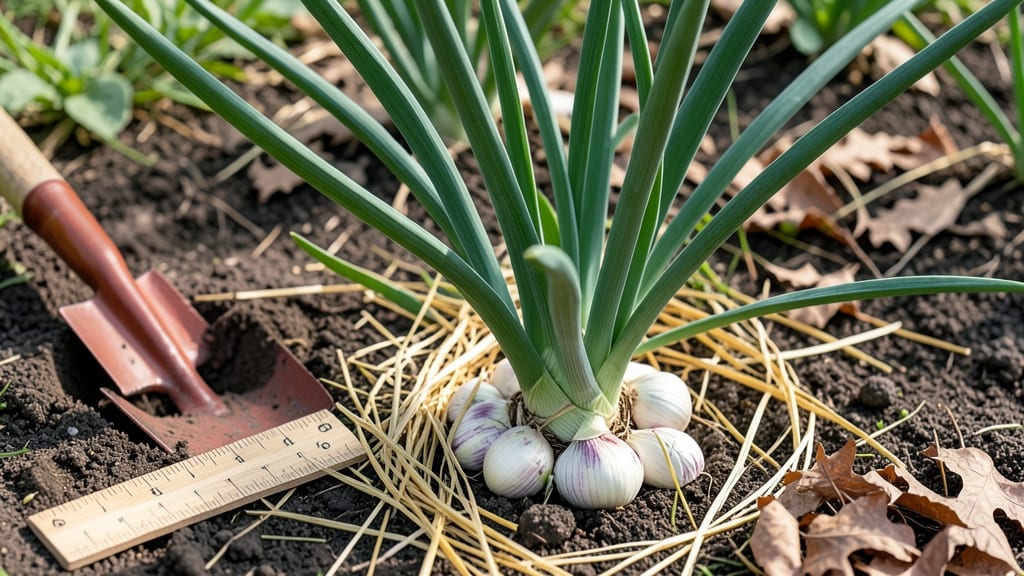
Planting garlic in Northeast PA at the wrong time can mean the difference between a thriving crop of 🧄 and a disappointing harvest—so getting the timing right is absolutely critical for this hardy vegetable.
With our Zone 5b-6b climate, you've got two prime windows to plant: fall (October-November) or early spring (March). But here's the catch—fall planting gives your garlic a head start, letting it establish strong roots before winter dormancy.
I’ll break down exactly when to plant for maximum success in your region, including how to adjust for early or late frosts.
Whether you're growing hardneck varieties like Music or German White (which do best in our cold winters) or softer options like Silverskin, the timing matters.
We’ll cover soil prep, spacing tips, and how to protect your cloves from our unpredictable Northeast PA winters—so you can look forward to a bumper harvest come late June or July.
Ready to grow garlic that rivals the pros? Let’s dive into the best planting schedule, variety choices, and care tips tailored just for your garden’s needs. Your future harvest starts with the right move—now.
Best planting timeline for Northeast PA garlic in zones 5-6
In Northeast PA’s Zone 5-6 climate, timing your garlic planting perfectly ensures strong bulb development before winter dormancy. The ideal window for fall planting spans October through mid-November, when soil temperatures drop below 60°F but before hard frost.
This cold period is crucial for hardneck varieties to form scape stalks and bulbs.
Spring planting is possible but riskier—only attempt it in early March if your soil thaws consistently by April. Late spring plantings rarely mature fully before summer heat sets in. Hardneck garlic thrives in cold winters, while softneck varieties tolerate milder conditions but need earlier planting to avoid winter damage.
Soil temperature is your best guide: Aim to plant when it hovers between 40°F and 50°F. In Northeast PA, this typically aligns with late October to early November, but check your local USDA frost dates—first frost usually arrives mid-October, and hard frost by mid-November.
Use this summary table to pinpoint your exact planting window based on garlic type and regional microclimates:
| Garlic Type | Best Planting Month | Soil Temp (°F) | Key Consideration |
|---|---|---|---|
| Hardneck (e.g., Music, German White) | Late October - Mid-November | 40°F - 50°F | Needs cold winter for scapes |
| Softneck (e.g., Silverskin, Artichoke) | September - Early October | 50°F - 60°F | Avoids winter stress |
| Spring Planting (Risky) | Early March | 45°F - 55°F | Smaller bulbs, lower yield |
For early winters, plant by late September to avoid ground freezing.
If your winter arrives late, extend planting to mid-December—just ensure cloves sprout before soil freezes. Hardneck garlic benefits from 60+ days below freezing, so Northeast PA’s climate is ideal for varieties like Chesnok Red or German Red.
Adjust for microclimates: Slopes warm faster than valleys, and south-facing beds stay frost-free longer. If your area has unpredictable frosts, opt for softneck varieties planted in September—they tolerate milder winters better.
Always plant cloves pointed end up, 4 inches deep, and 6 inches apart for optimal spacing.
Post-planting, mulch with straw or leaves (3-4 inches) to insulate bulbs during winter temperature swings. Remove mulch in early spring to prevent rot. Hardneck garlic will send up scape stalks in May—harvest these to redirect energy to bulb growth, but leave them if you want seeds for next year.
Spring planting is a last resort: Only attempt it if your soil warms to 50°F+ by March 15th. Use black plastic mulch to accelerate soil warming.
Expect smaller bulbs and lower yields compared to fall planting. For Zone 5b (colder areas), prioritize fall planting—spring garlic rarely matures fully before summer heat.
Monitor local weather forecasts for unseasonable warmth in late fall. If temperatures spike above 60°F after planting, water deeply to prevent cloves from sprouting too early. Hardneck garlic planted in November often produces larger bulbs than September plantings, thanks to the cold vernalization period.
Remember: The key to Northeast PA garlic success is planting 4-6 weeks before hard frost and ensuring cloves experience consistent cold before spring growth. With the right timing, you’ll harvest plump, flavorful bulbs by late June or July—just in time for summer cooking! 🌱
Top cold-hardy garlic varieties for pennsylvania’s harsh winters
Northeast Pennsylvania’s Zone 5-6 winters demand garlic varieties that can withstand freezing temperatures and still produce bold, flavorful bulbs. Choosing the right type—whether hardneck or softneck—can make or break your harvest.
Hardnecks thrive in cold climates and produce scape shoots, while softnecks store longer but struggle with severe winters. Let’s break down the best options for your PA garden.
For hardneck varieties, look for Music and German White—both known for their exceptional cold hardiness and ability to survive below-zero temperatures. These varieties also yield large, flavorful bulbs perfect for cooking.
Softnecks like Silverskin are less cold-tolerant but store well for up to a year, making them ideal if you prefer long-term storage over winter hardiness.
Here’s a quick comparison of the top cold-hardy garlic varieties for Northeast PA, including their pros and cons to help you decide which suits your garden best.
Hardneck vs. Softneck Garlic: Pros and Cons
Hardneck Garlic
- Pros: Cold-hardy, produces scapes, bold flavor
- Cons: Shorter storage life, needs winter chill
Softneck Garlic
- Pros: Longer storage, milder flavor, easier to braid
- Cons: Less cold-tolerant, smaller bulbs
If you’re growing garlic for fresh use, Music garlic is a top choice—it handles Zone 5 winters beautifully and produces large, purple-striped bulbs. For a milder flavor and longer storage, Silverskin is a softneck option, though it may need extra mulch protection in harsh winters.
Always opt for organic, untreated cloves from a reputable supplier to ensure the best start.
One key factor in Northeast PA is winter chill hours. Hardnecks require 30-40 hours of sub-freezing temps to form bulbs, while softnecks need fewer. If your winter is mild or inconsistent, hardnecks like German White will still perform well due to their adaptability.
For urban gardens or container growing, smaller hardneck varieties like Creole are excellent choices.
For maximum hardiness, plant hardneck varieties in well-draining soil and cover with 6-8 inches of straw mulch after the ground freezes. This extra layer of insulation can protect bulbs from extreme cold and prevent heaving.
Softnecks, on the other hand, benefit from earlier planting (September) to establish roots before winter sets in.
No matter which variety you choose, harvest timing is critical. Wait until lower leaves turn brown and upper leaves stay green—this usually happens in late June to July. Cure the bulbs in a dry, shady spot for 2-3 weeks before storing.
With the right variety and care, your Northeast PA garlic harvest will be abundant and delicious! 🧄